If you’ve been following our Carpathia series,
you will have heard us talk about the vast array of biodiversity that Romania has to offer and how this sits at the core of restoration efforts of our partners at Foundation Conservation Carpathia. But what constitutes this biodiversity, and why is it so important that these species are protected?
What better way to explain this than to introduce you to some of the species and the roles they play within their unique ecosystems.
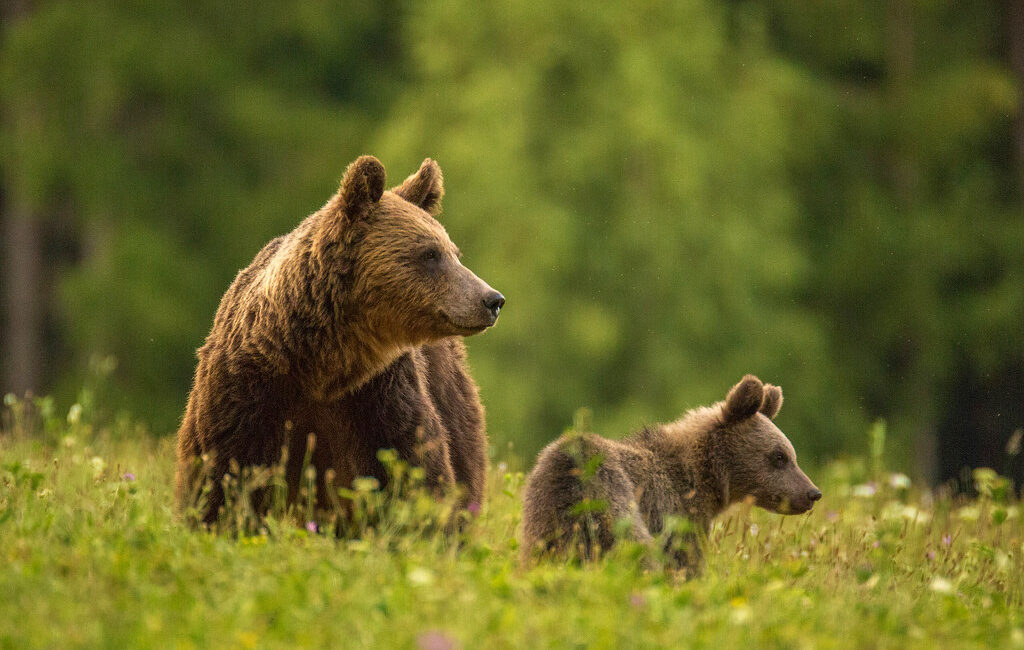
European brown bear
It is believed that there are over 200,000 brown bears in the world, and estimates say that over 6,000 of them roam the forests of the Carpathian Mountains making this the largest population in the EU.
Threatened by over-hunting and poaching, bears were given protected status in Romania making it illegal to kill them. Unfortunately legislation alone isn’t a strong enough deterrent and anti-poaching implementation is a vital part of efforts to protect these powerful creatures.
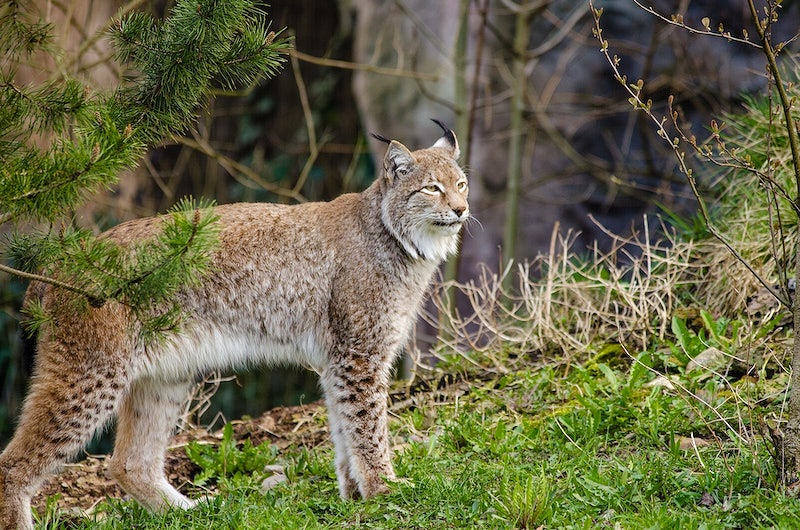
Eurasian lynx
It is said that 2,800 Eurasian lynx live in the Carpathian Mountains, but due to their elusive nature it’s difficult to be totally accurate. This majestic species was intensively hunted, meaning that the remaining population size is just a fraction of what it once was.
Mostly forest-dwelling, lynx populations have also declined as a result of illegal logging and deforestation. They are sometimes also killed in response to conflict situations that arise when lynx take livestock from farms. Working with farmers and landowners to safeguard their livestock is therefore vital for the protection of the lynx.
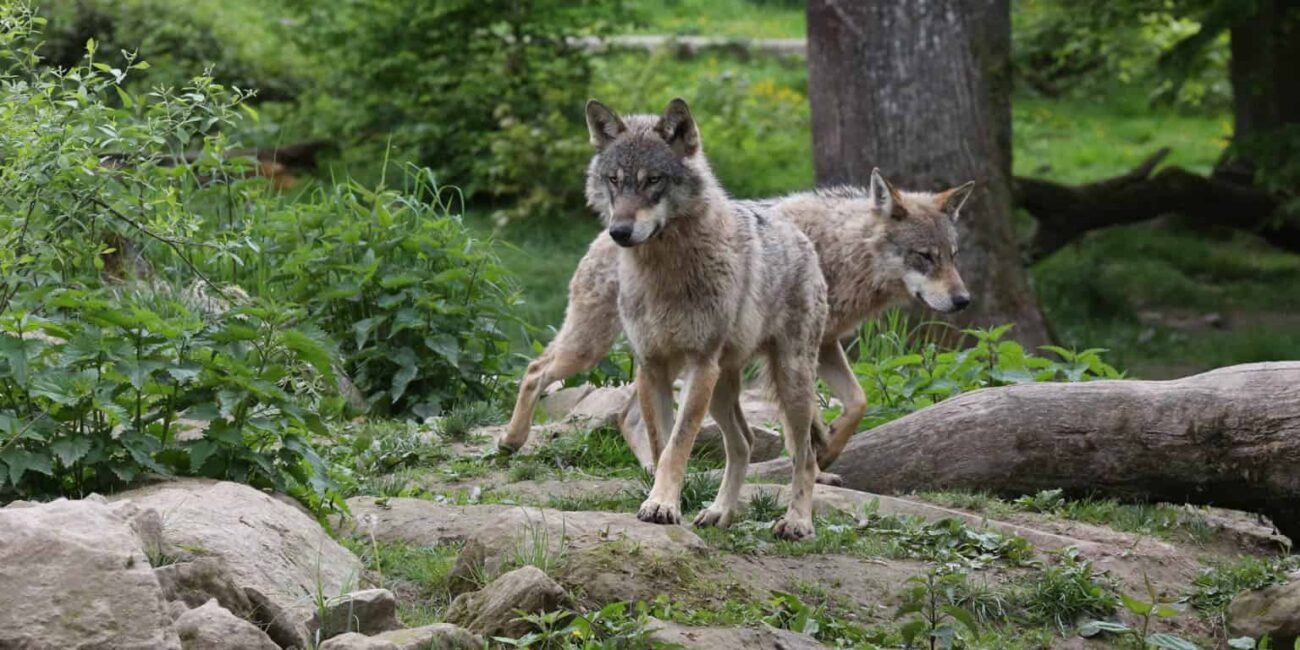
Wolf
Every country in the European Union now hosts populations of wolves, and a survey by the Environment Ministry in 2016 estimated wolf populations in Romania to be at 2,840.
At the centre of continent-wide many human-wildlife conflict debates, wolves are threatened by encroachment on their habitat by humans and the Bern Convention of 1979 named them a protected species as a result of this. As with bears, working with landowners is key to protect livestock and simultaneously to mitigate conflict situations.
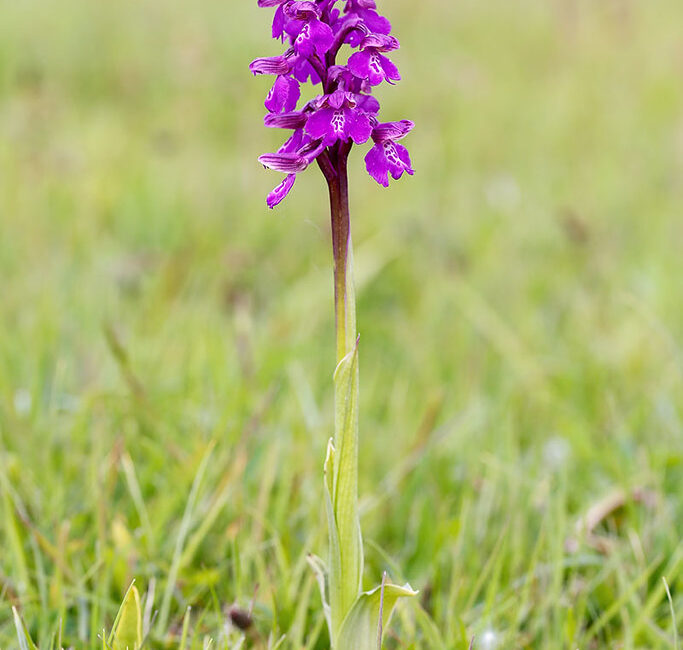
Green-winged orchid
The Green-winged orchid is a beautiful species found across Europe, particularly in the Carpathian Mountains. This stunning species flowers in May and June, producing specs of colour across areas of grassland.
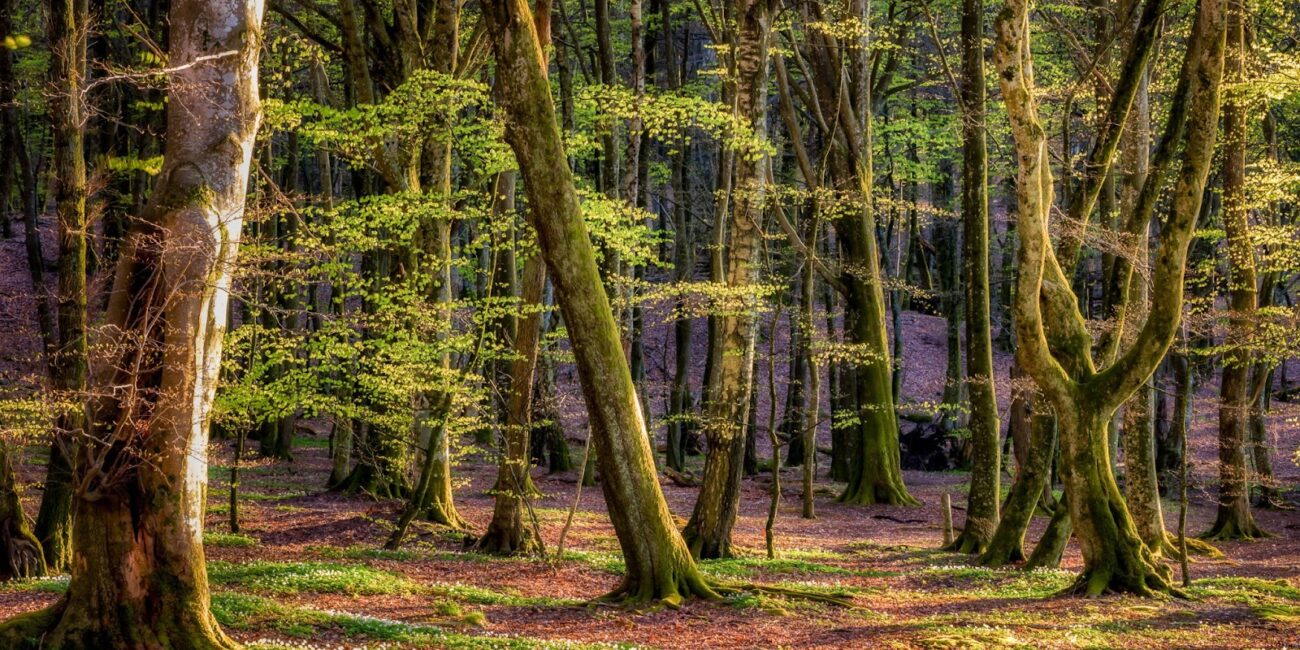
Beech Forests
The Carpathians are famous for their stunning beech forests. Fagus sylvatica are large trees that can reach heights of 40m and can live up to 300 years or more. These forests provide shelter for a large number of plants and animals, from big predators such as bears, wolves and lynx, to smaller animals such as squirrels and wild cats as well as countless invertebrates and insects. They create stable ecosystems and for this reason many have been awarded UNESCO World Heritage Status.
DIG A LITTLE DEEPER
The Foundation Conservation Carpathia (FCC) – Conservation work
Isabella Tree in conversation with Christoph and Barbara Promberger – Youtube recording.