Learning to Live Alongside Nature
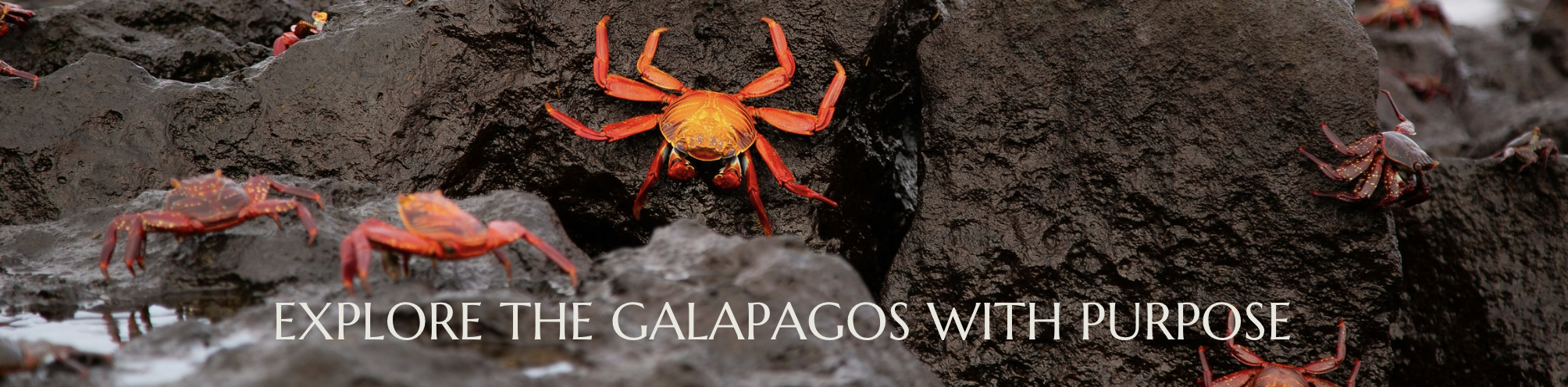
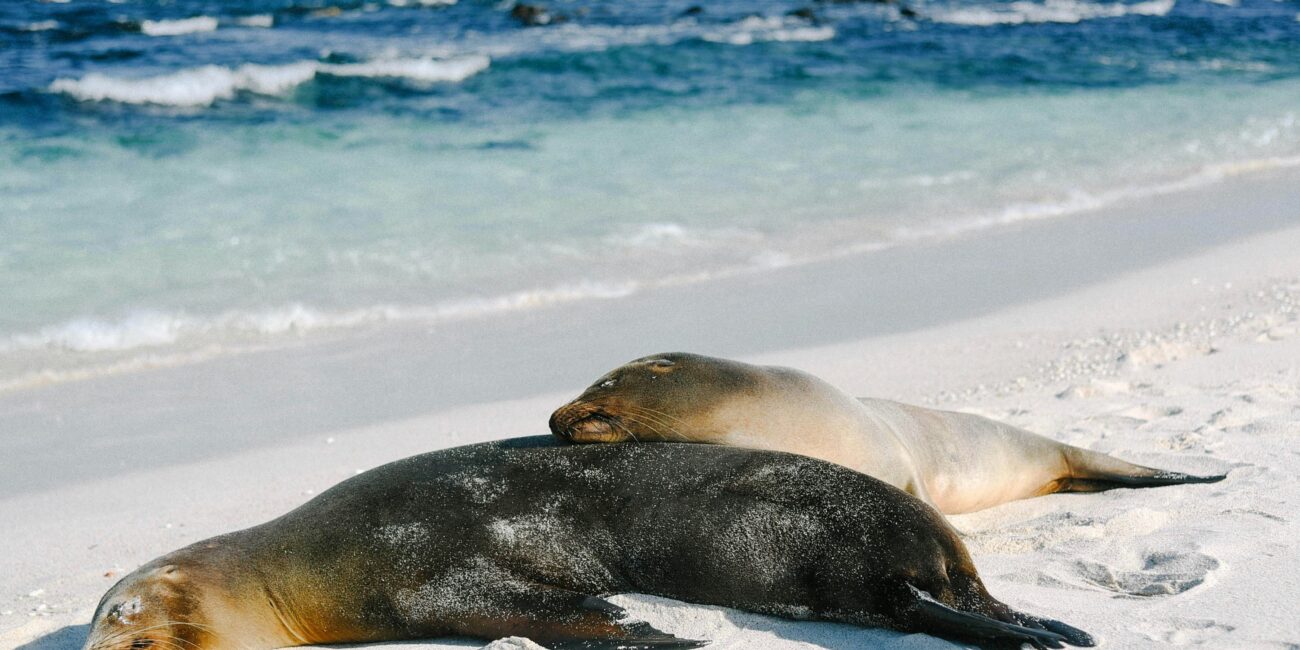
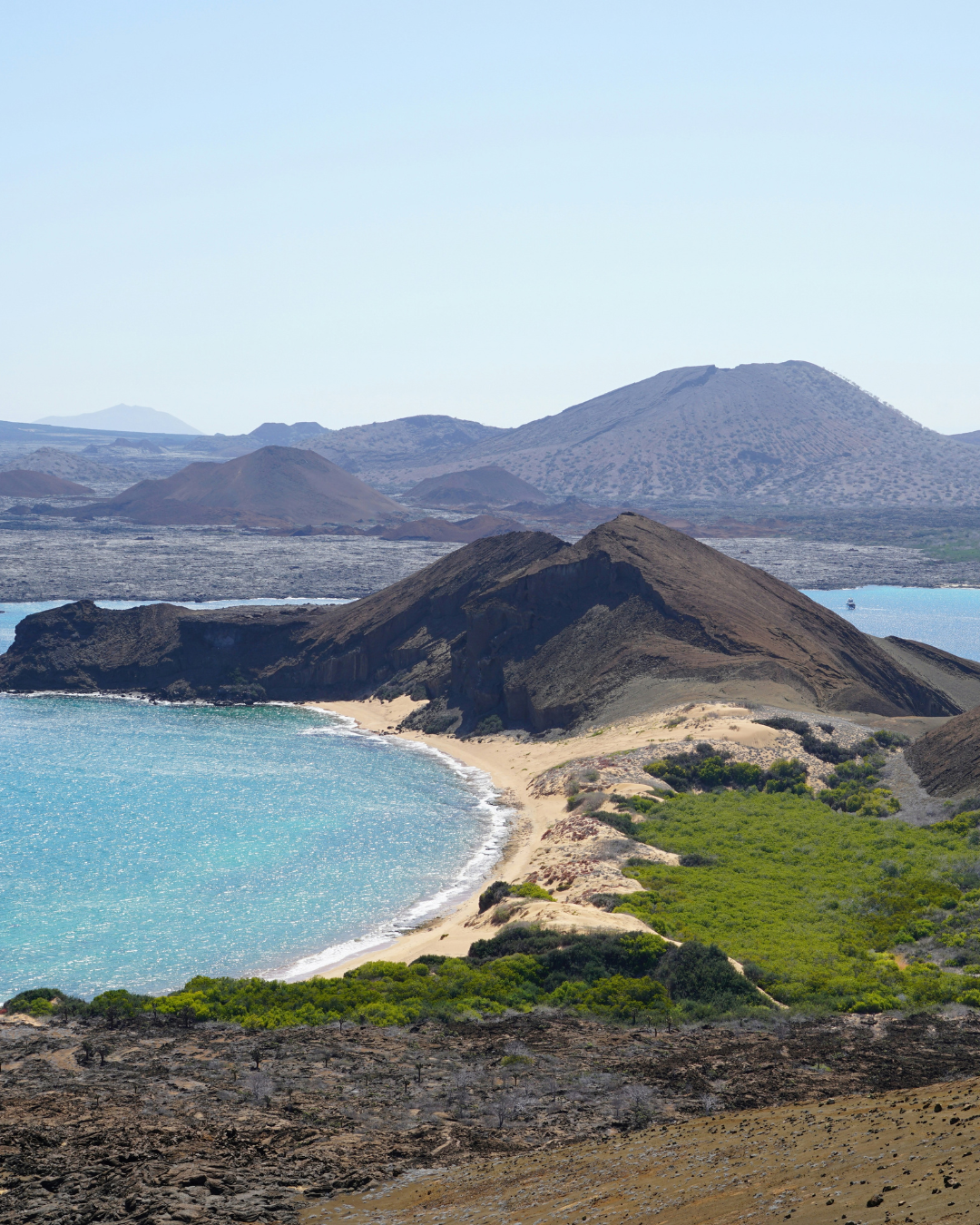
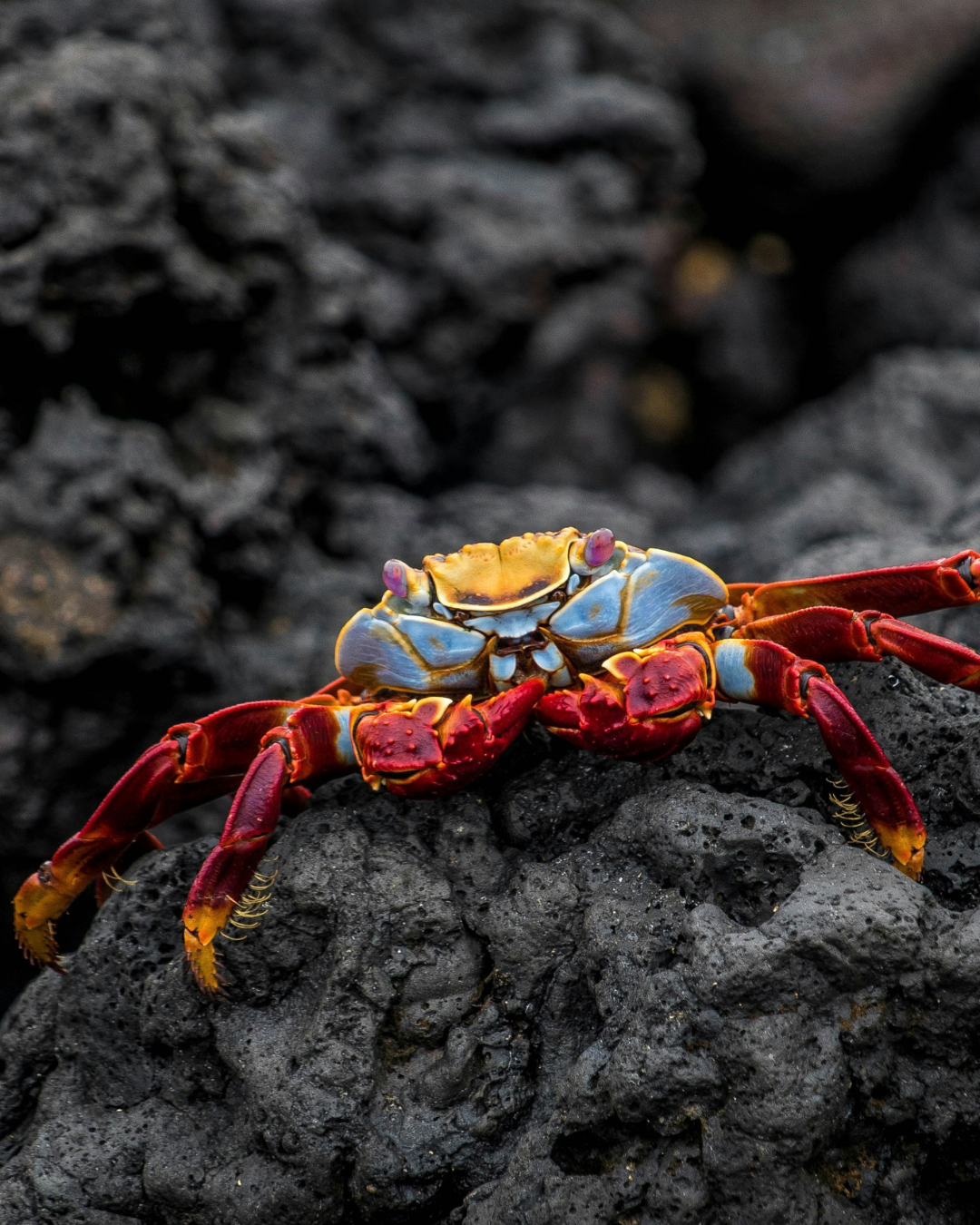
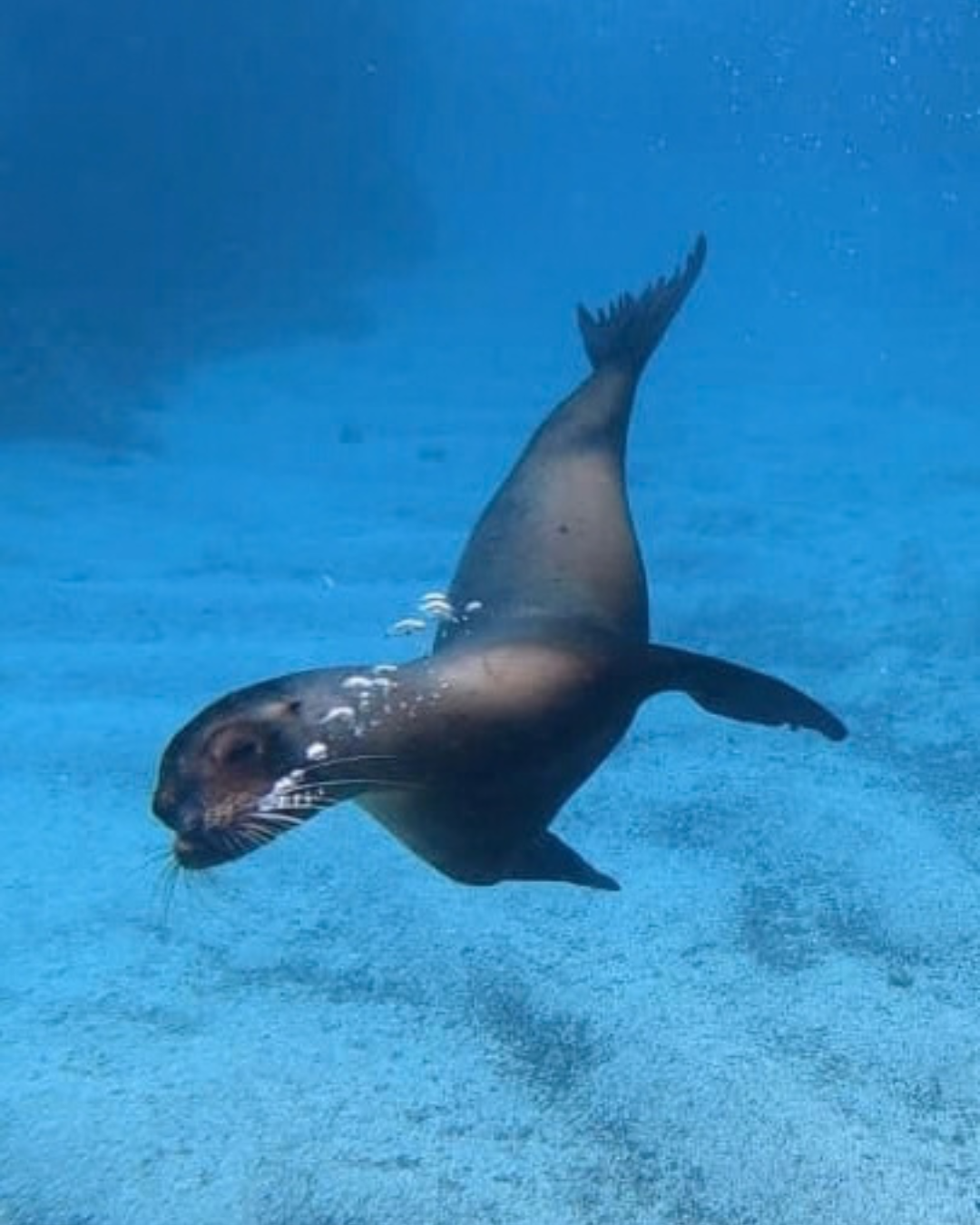
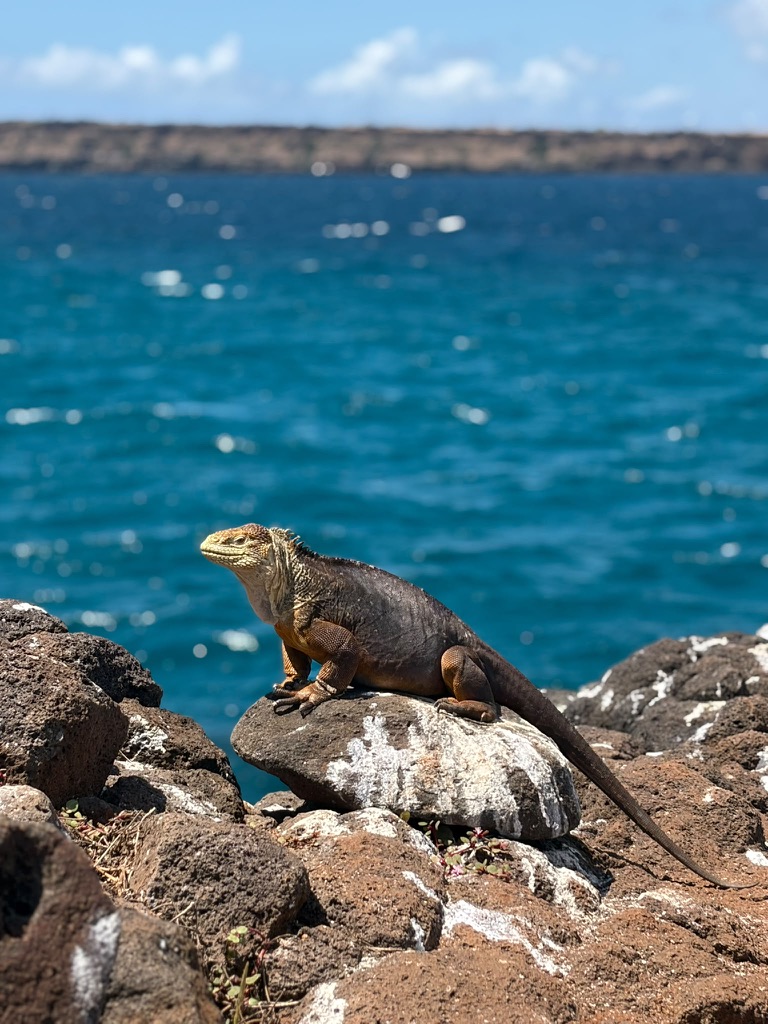
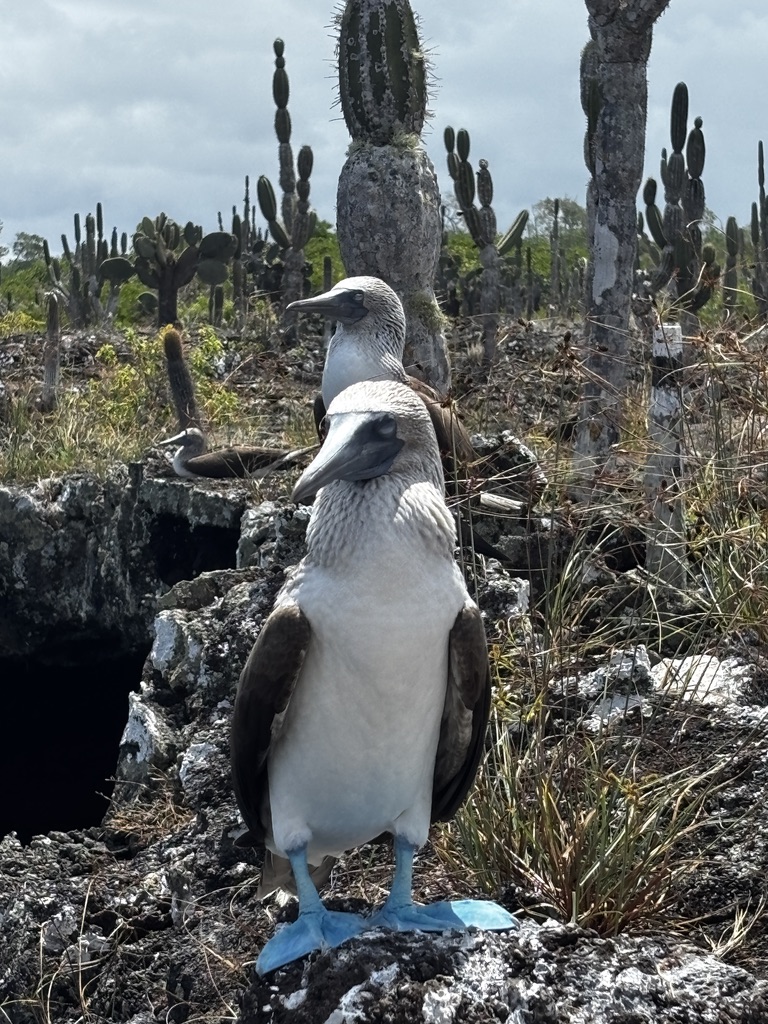
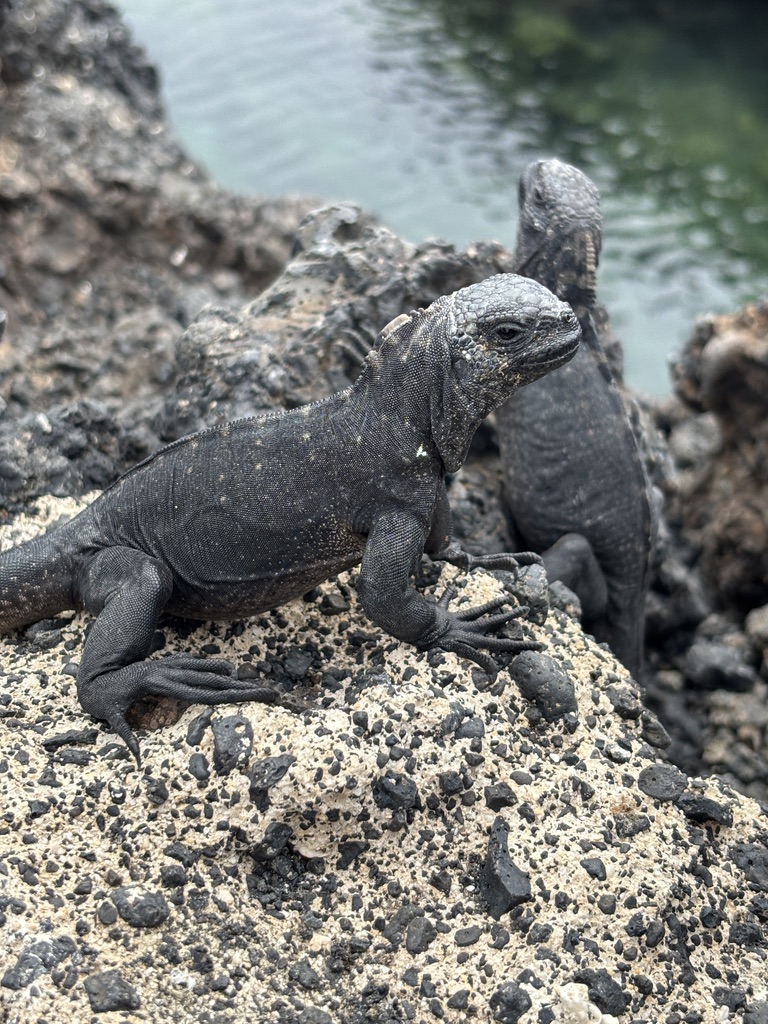
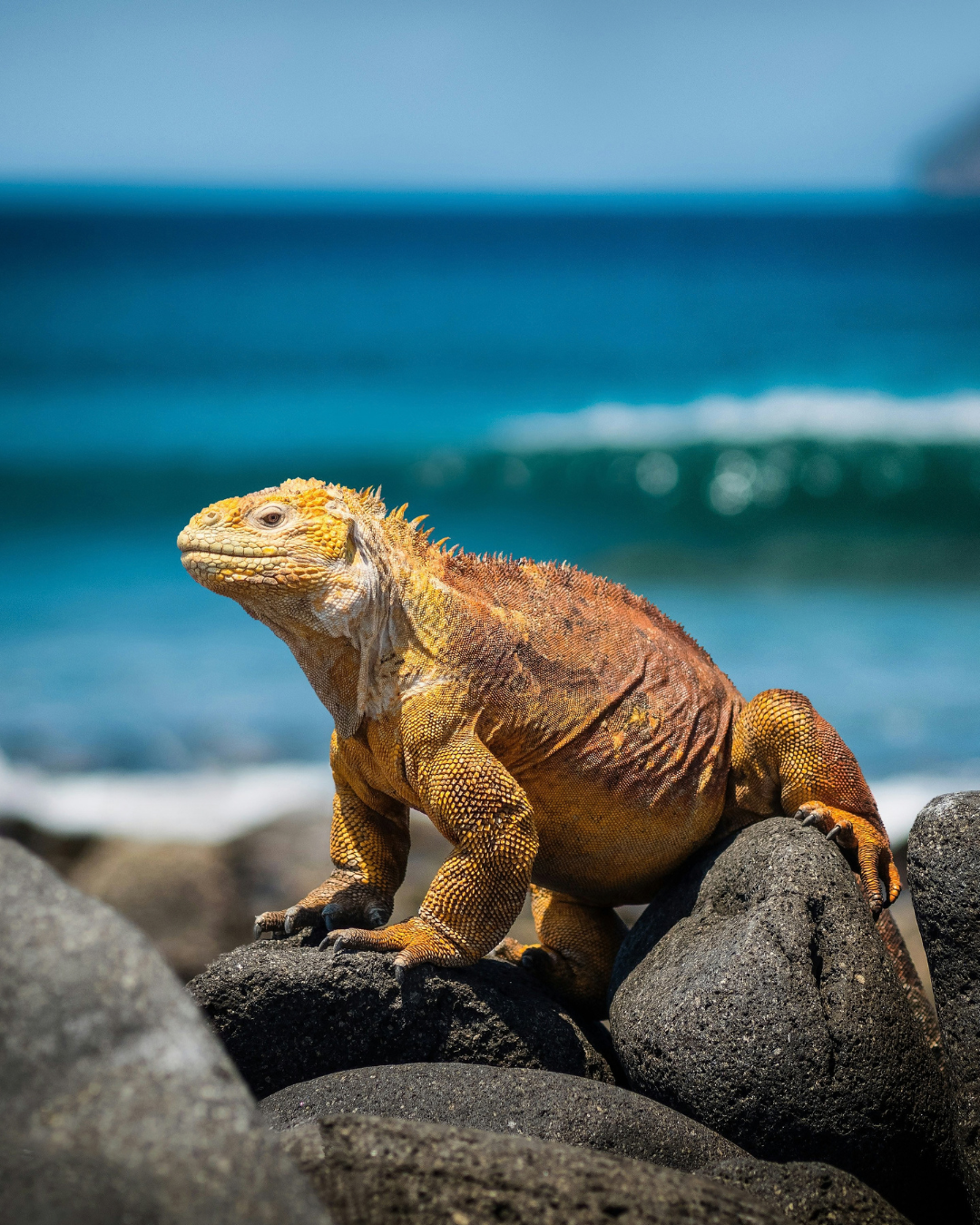
There are few places on Earth that make you question humanity’s relationship with nature as profoundly as the Galápagos. Here, evolution isn’t something confined to a textbook it is experienced everywhere you look, from marine iguanas basking on volcanic rocks, giant tortoises moving through the highlands, penguins darting beneath the waves and sea lions following you curiously through the water. Species found nowhere else have evolved in isolation, shaped by their environment and an ocean that has sustained them for generations.
But the Galápagos is not simply somewhere to admire nature. It asks us to reconsider our place within it. Travelling here as a family made that lesson even more powerful. Our children weren’t simply seeing wildlife; they were beginning to understand how extraordinary and fragile these ecosystems are, and that living alongside nature is more than possible if only we change the way we behave.
A Living Laboratory and Fragile Balance
The Galápagos is often described as a living laboratory, and it is easy to understand why. Species have evolved in extraordinary isolation, with many found nowhere else on Earth. Every plant, bird and animal has a story, and every story connects to the delicate balance of the ecosystem. This interconnectedness makes the Galápagos both extraordinary and vulnerable.The islands have never been immune to human impact. Whalers once removed thousands of giant tortoises, while introduced invasive species have transformed native habitats. On Santa Cruz, only around 1% of the original Scalesia forest remains.
Climate change is adding another layer of complexity. We heard repeatedly about the effects of El Niño and warmer ocean temperatures on marine ecosystems and the food chains that support so many species. During an El Niño, marine iguana populations have been known to halve in the space of a year, fish populations change, and seabirds struggle; when marine productivity declines, sea lions, penguins and other predators are also affected.
Then there is the effect of tourism. On Isabela, around 95% of people now work in the industry. Tourism has brought enormous economic opportunity, but also raises difficult questions about how much development these fragile islands can sustain. Discussions around improved air connectivity and a potential new airport could bring jobs and investment, but also more buildings, vehicles and pressure on water and natural resources.
The question isn’t whether tourism should exist. It is how tourism can grow without destroying the very nature people have come to experience.
The People Protecting the Islands
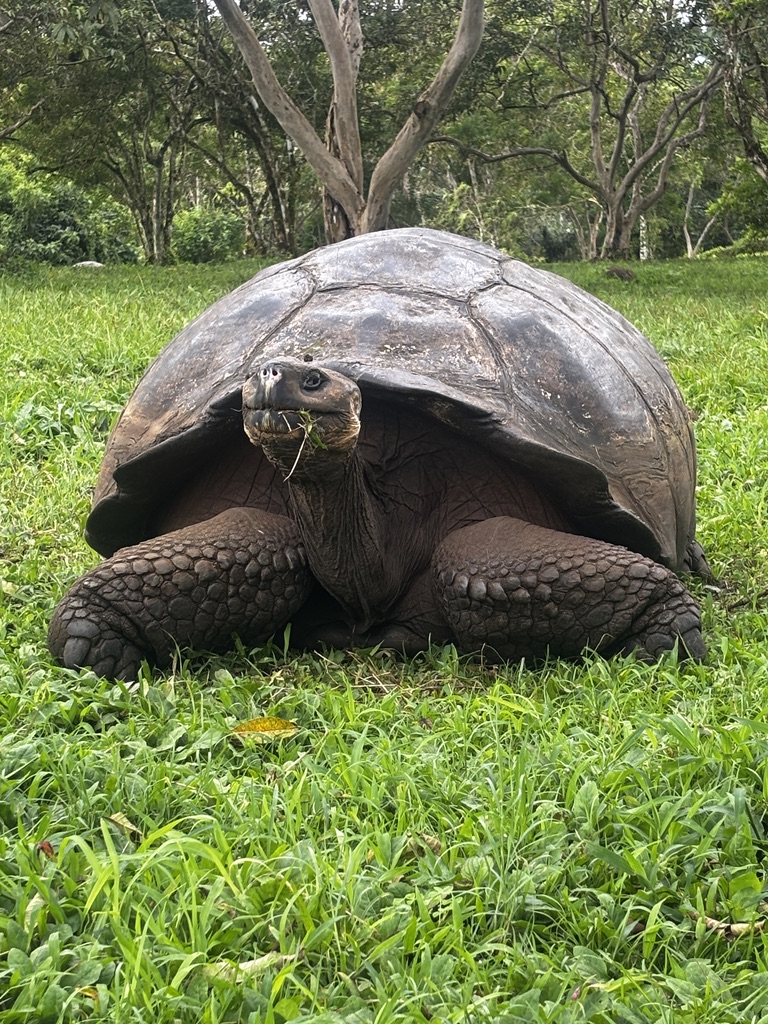
Fortunately, the Galápagos is home to an extraordinary community of scientists, conservationists, guides and local families working to find that balance. At the Charles Darwin Research Station, we learnt how conservation has evolved from protecting individual animals to restoring entire ecosystems. Giant tortoises are a perfect example. They are not simply another species to protect; they are architects of the ecosystem. Some plants only germinate after their seeds have passed through a tortoise’s digestive system.
Conservationists have spent decades restoring populations that were once pushed towards extinction. Diego, a giant tortoise brought from a zoo in San Diego, became part of a breeding programme on Española that helped the island’s population recover to more than 2,000. More recently, conservationists have brought the Floreana tortoise back from the edge of extinction. It is painstaking work, but it demonstrates that decline is not always irreversible when people decide nature is worth restoring.
Conservation Beyond the Research Station
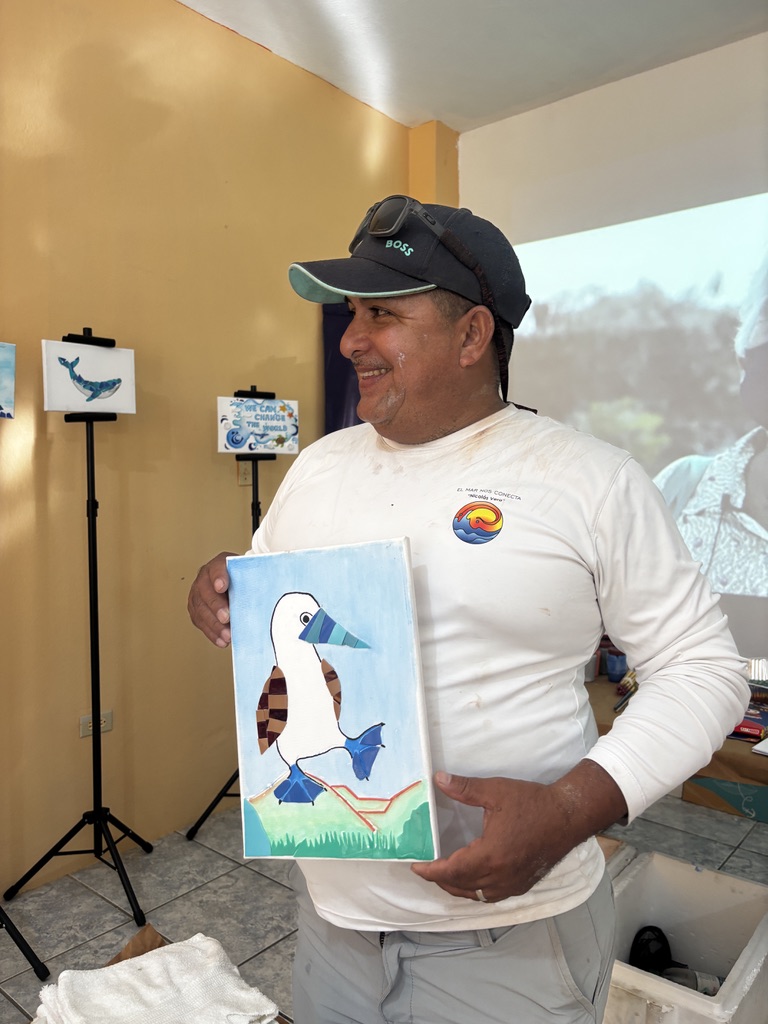
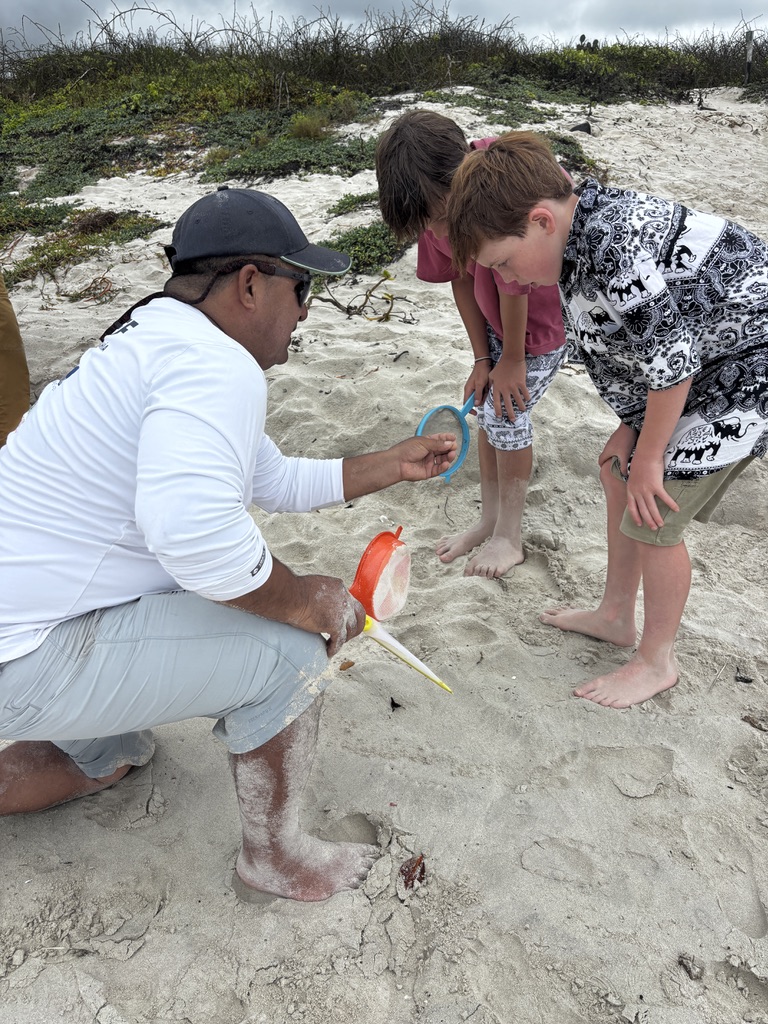
Some of the most inspiring conservation we encountered was happening far beyond formal research institutions. We met Alberto from Fuente Insular, a community of volunteers collecting microplastics from the coastline. Rather than simply explaining the problem, Alberto invited us into the solution. We visited their headquarters, met volunteers and turned some of the collected plastic into art and jewellery. For my children, the lesson was immediate. Plastic wasn’t an abstract environmental problem. It was something they could find in the sand, hold in their hands, something that had come from the sea and didn’t belong there.
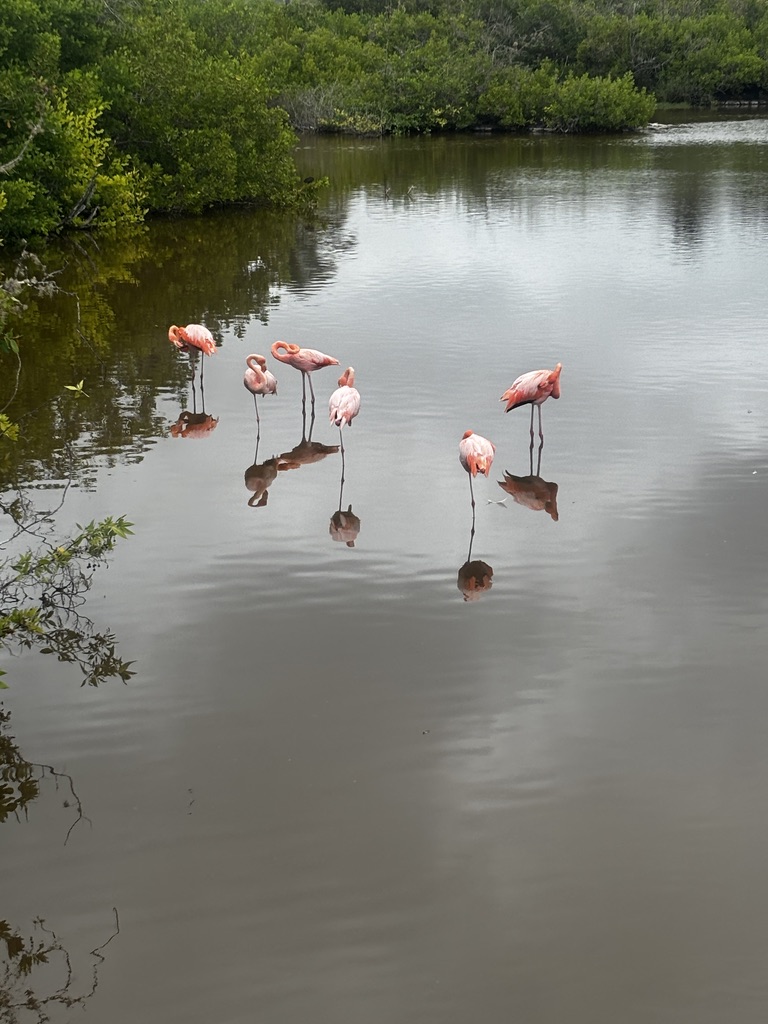
Alberto also told us how he helped mobilise the local community when a huge fishing vessel was discovered catching thousands of sharks in international waters outside the Galápagos. Local people campaigned together for greater protection of the marine routes between the Galápagos and Panama. This is conservation at its most powerful: not simply something imposed from above, but something communities stand up to protect themselves.
Montemar: Turning the tide on ecotourism
If the Galápagos showed us why conservation matters, Montemar Eco Lodge showed us responsible tourism in practice. It is getting easier for hotels to talk about sustainability. It is much harder to build an entire guest experience around the idea that tourism should leave a positive legacy.
At Montemar, conservation is embedded into everyday life. The buildings are constructed from approximately 70% lava and wood, while passive architecture works with the natural environment to reduce humidity. Bamboo roofs are harvested using traditional knowledge, and Spanish cedar is used for furniture and doors. Internally every aspect of the guest experience is considered including the environmentally friendly bathroom vanity products.
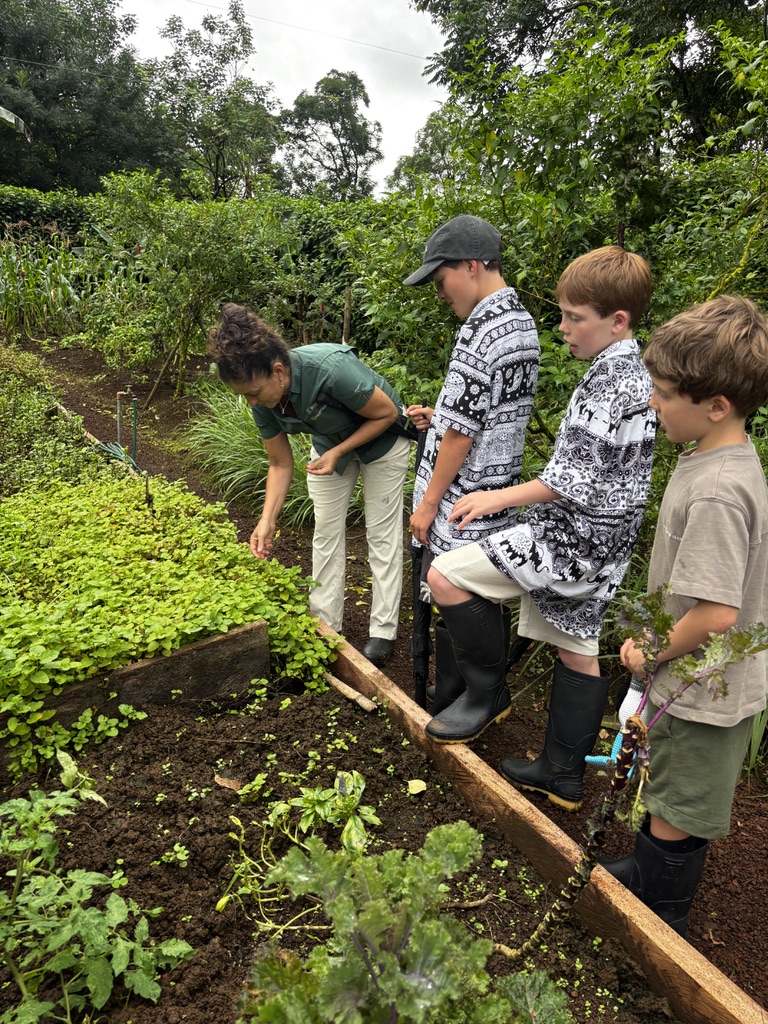
The kitchen garden is equally purposeful. Walking through the farm with owner Reyna, we learnt how companion planting uses lemongrass, basil and hot peppers to protect herbs naturally from insects instead of relying on insecticides. We tasted herbs straight from the garden and learnt how microorganisms can transform layers of cow manure, sawdust and cinder into compost in around three months rather than a year. Even the chickens have a local solution. While guests are staying, the rooster arrives by motorbike from a neighbouring property to fertilise the eggs and chickens, returning home at night so his early-morning crowing doesn’t disturb guests. It is wonderfully Galápagos: practical, local and rooted in the community supporting each other.
Montemar’s story became even more compelling when we learnt what happened during the pandemic. An avocado tree on the property produced such an extraordinary crop that it helped feed the surrounding community when food was scarce. Montemar and Fuente Insular also helped create food packages that supported around 5,000 people. This wasn’t simply a business operating within the community. It was part of the community.
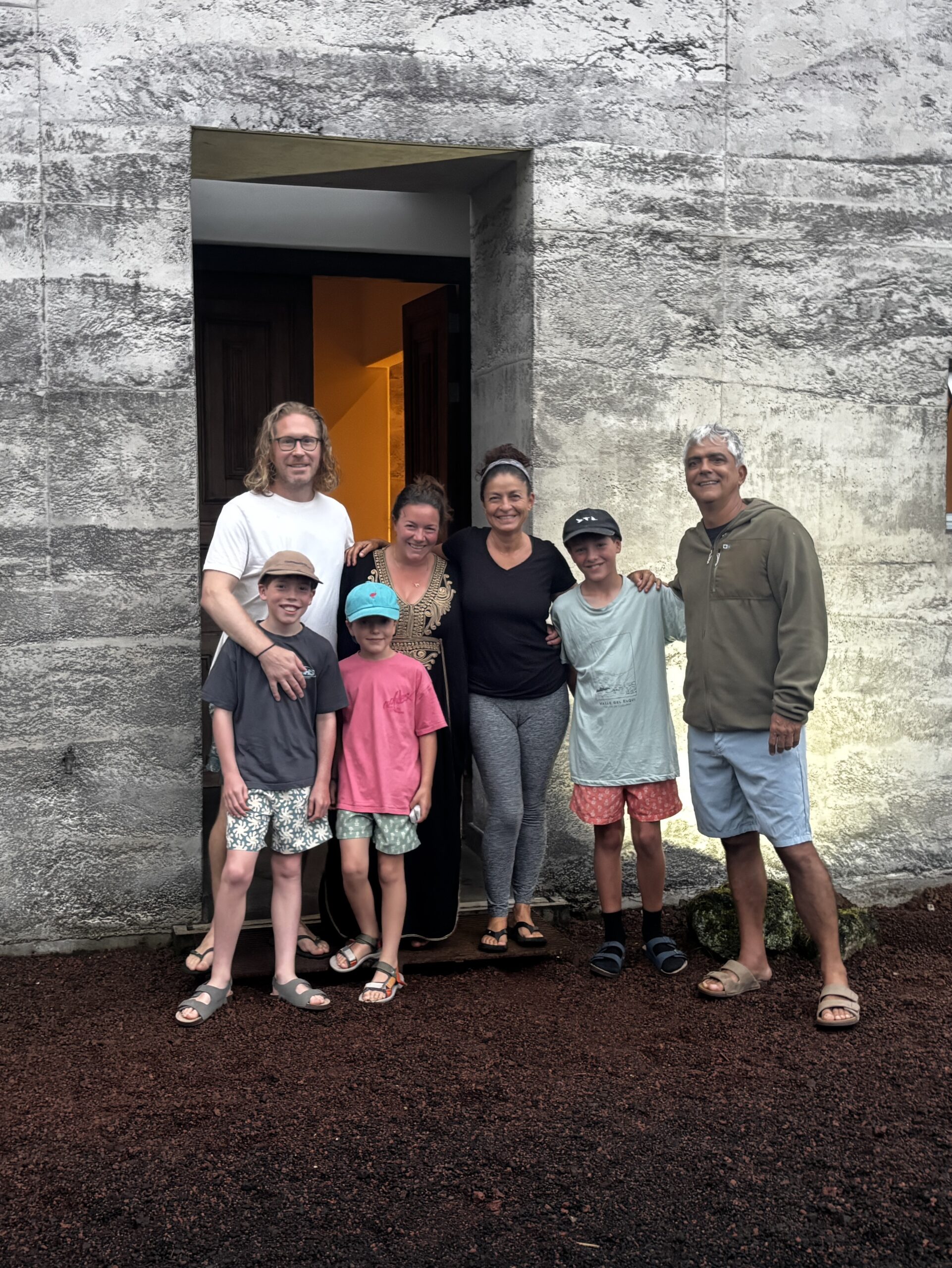
The best hotels in fragile destinations should not simply minimise their negative impact. They should actively contribute to the resilience of the places around them. Montemar demonstrates what that can look like: local employment, local food, locally sourced materials, renewable energy, conservation, community partnerships and experiences that connect guests directly with the people and landscapes they have travelled so far to experience. It is a model I would love to see more hotels in the Galápagos follow. Reyna and Roberto have managed to achieve all of this without in any way compromising the luxuriousness and personalisation of Montemar. It was hands down and one of the friendliest, most inviting, and family friendly lodges I have ever had the pleasure to stay in.
Restoring What Was Lost
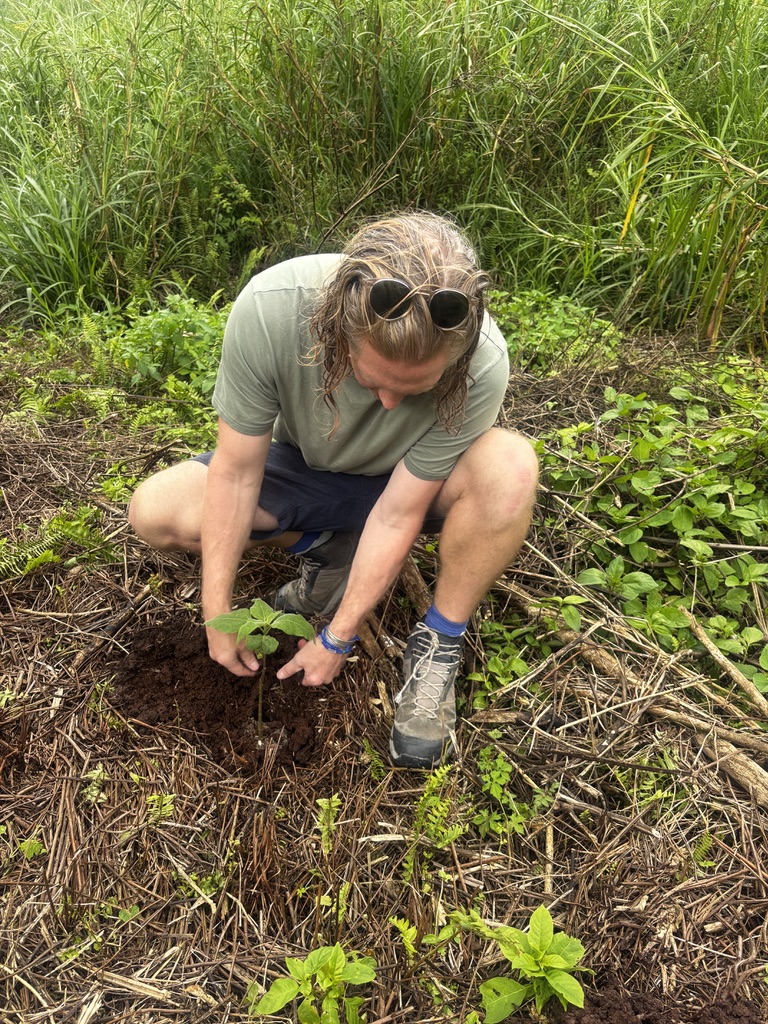
One of the most striking examples of this wider conservation effort is the work being done to restore Scalesia. Once widespread across Santa Cruz, only a tiny fraction of the original forest remains. Pikaia Lodge has planted more than 20,000 Scalesia trees and is working towards restoring a much larger area, while also providing trees to other conservation organisations.
It is easy to look at a single sapling and wonder what difference one tree can make. But conservation rarely happens through one dramatic gesture. It happens through thousands of small actions repeated over time.
The Best Classroom in the World
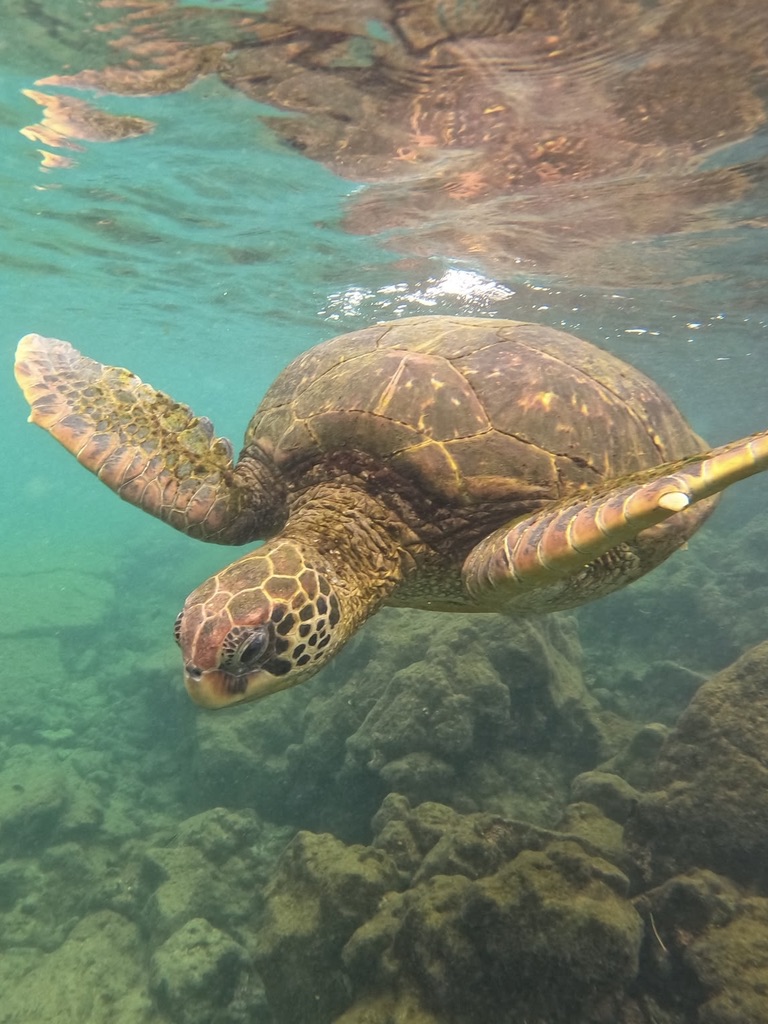
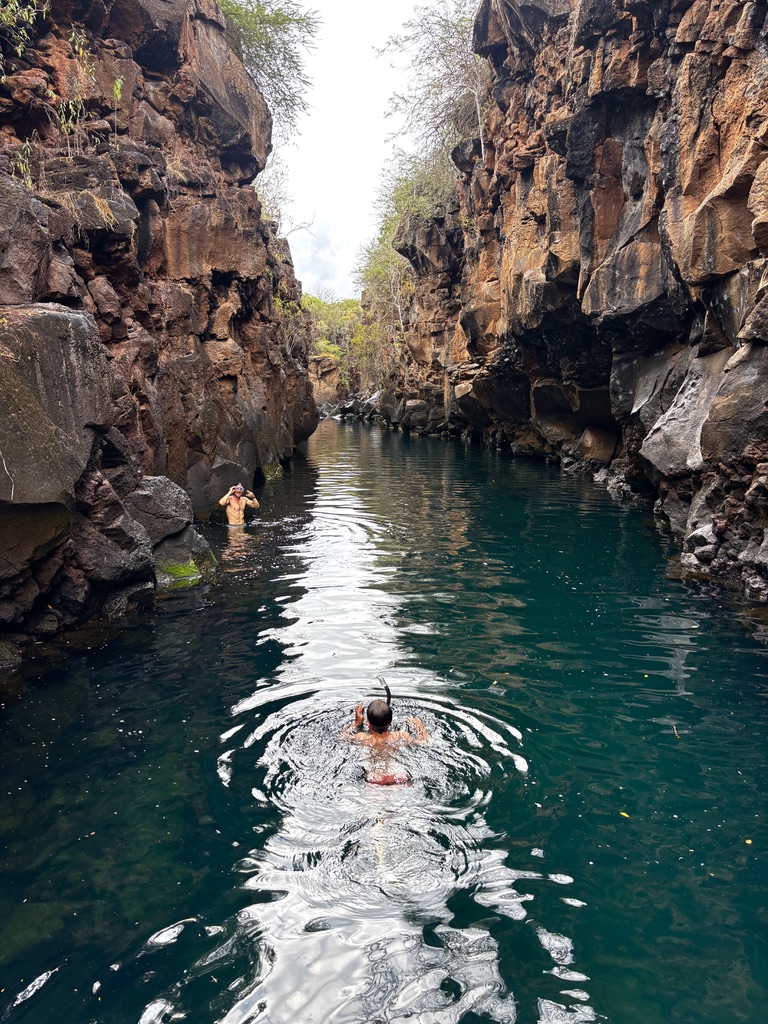
For my children, the Galápagos became an extraordinary classroom. They learnt about endemic species by seeing them in the wild, invasive species by understanding how introduced plants can change entire landscapes, and marine pollution by turning microplastics collected from the coastline into jewellery and art. They cycled through the highlands, passing Scalesia forests and giant tortoises. They snorkelled alongside turtles, manta rays, hammerheads, penguins, marine iguanas and sea lions. But somewhere between the wildlife sightings and volcanic landscapes, something more important was happening. They were beginning to understand that nature has rules, and that humans are part of those rules.
Everywhere we went, individuals were quietly doing the work: guides explaining ecosystems, scientists restoring tortoise populations, volunteers removing plastic, farmers growing food differently, hotels planting native forests and communities protecting marine habitats. No one can solve the Galápagos’ challenges alone. Together, however, they demonstrate something incredibly hopeful: living alongside nature is possible. The catch is that it requires us to behave differently.
We cannot expect to fly halfway around the world to admire pristine ecosystems while continuing to consume without thinking about the consequences. We cannot expect destinations to remain untouched while demanding ever greater convenience and development. Responsible travel starts before we arrive. It means choosing accommodation that genuinely invests in its community and environment, using local guides and businesses, respecting national park regulations, removing single-use plastics and understanding that our spending decisions influence what kind of tourism succeeds.
The privilege of seeing these places comes with a responsibility to help protect them.
Travel That Helps Protect the Future
The Galápagos made me think differently about responsible family travel. For children, conservation can sometimes feel like a series of rules: don’t touch, don’t litter, don’t waste, don’t disturb. But that isn’t enough. Children need to understand why. They need to experience the joy of nature before they can understand why protecting it matters. They need to meet the people doing the work and see that sustainability isn’t about sacrificing enjoyment, but finding better ways to enjoy the world.
Experiences stay with children in ways facts alone cannot. Perhaps that is the greatest opportunity travel gives us: not simply to show our children the world, but to help them understand their place within it and develop the responsibility and empathy to look after it.
Leaving Something Behind
As we left the Galápagos, I kept returning to the same thought. The islands and the work of Charles Darwin changed our understanding of evolution. But perhaps they can also change our understanding of ourselves. Here, humans are newcomers. Our challenge is not to conquer or control the environment, but to find a way to coexist harmoniously in to the future.
That will mean difficult choices: questioning how much tourism is enough, protecting native forests, controlling invasive species, removing plastic altogether from the islands, protecting marine corridors and ensuring local communities benefit from the visitors arriving on their islands. It will also mean supporting the people already doing this work. Because the future of the Galápagos will not be protected by conservationists alone, or governments, eco lodges or travellers. It will be secured by all of us.
Perhaps the greatest lesson the Galápagos offers is that harmony with nature is not an impossible ideal. It is already happening everywhere you look and whilst these may seem like small acts, together they represent something much bigger: a different way of living and thinking about our relationship with the natural world. We don’t have to choose between people and nature. We have to learn how to live well enough with nature that both can thrive. And if we can teach our children that lesson while they are still young, not through lectures, but by letting them experience it, touch it, question it and fall in love with it, perhaps they will grow up understanding something that we have taken too long to learn.
The world does not belong to us. We belong to it. It is not simply about preserving the past. It is about giving the next generation the chance to experience a world where living alongside nature isn’t the exception, but the rule.
Ready for your own purposeful adventure?
Get in touch with our team on 020 3544 8137 or connect@journeyswithpurpose.org.