Observations From Parque Nacional Iberá

With just over three months until our first immersive journey to Argentina departs, we have checked in with the expert team of biologists and zoologists on the ground in Parque Nacional Iberá for the latest developments from the Fundación Rewilding programme.
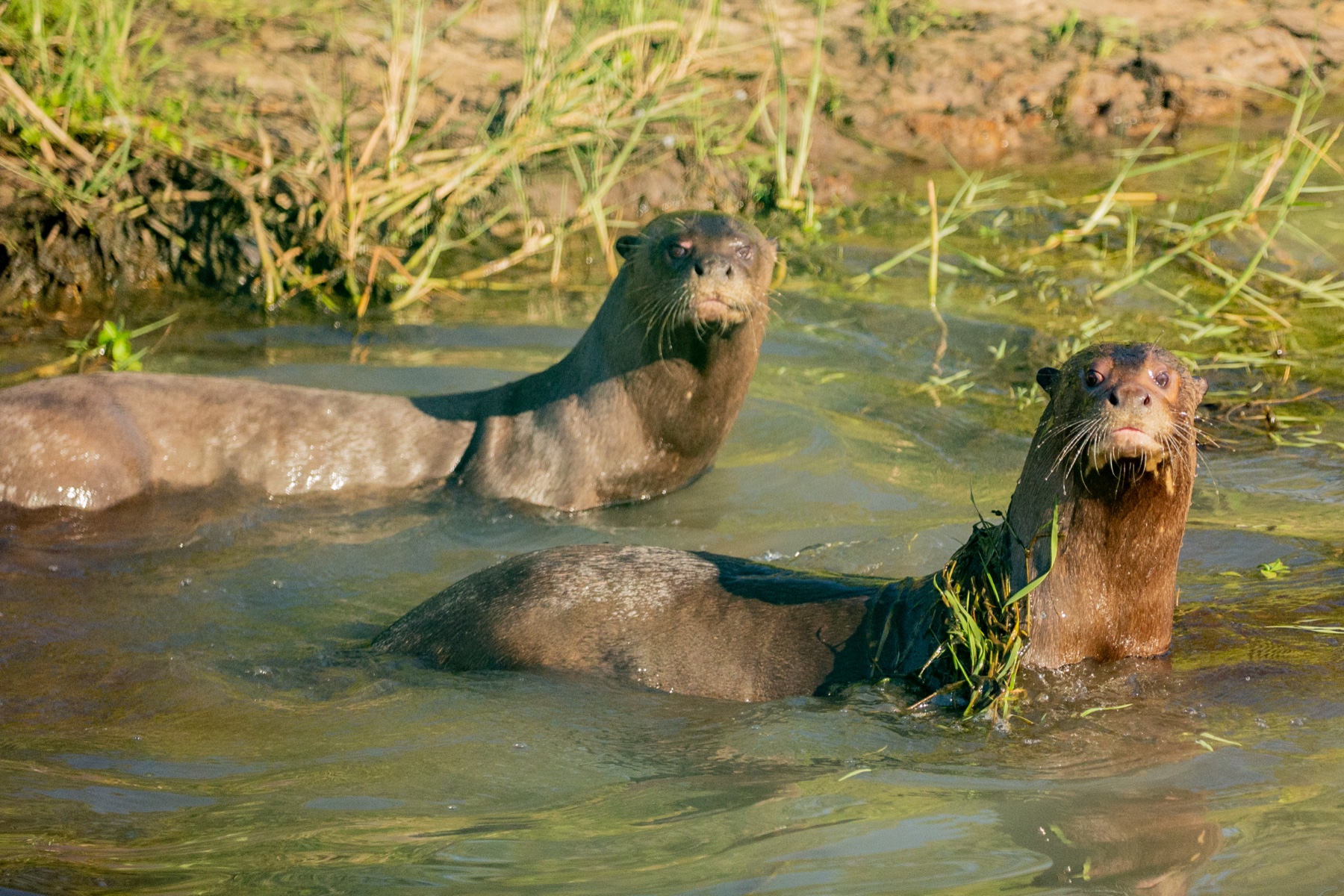
Giant otters in Ibera, Argentina

Giant otters enhance their fishing skills

The Corrientes province has welcomed some heavy rainfall in recent weeks, leading to a rise in water in the lagoon – the home of giant otter Ariarnha and her pups. With the higher levels of water, the Fundación Rewilding team have been able to introduce live fish to the lagoon, allowing the giant otter family to develop their fishing skills within their enclosures.
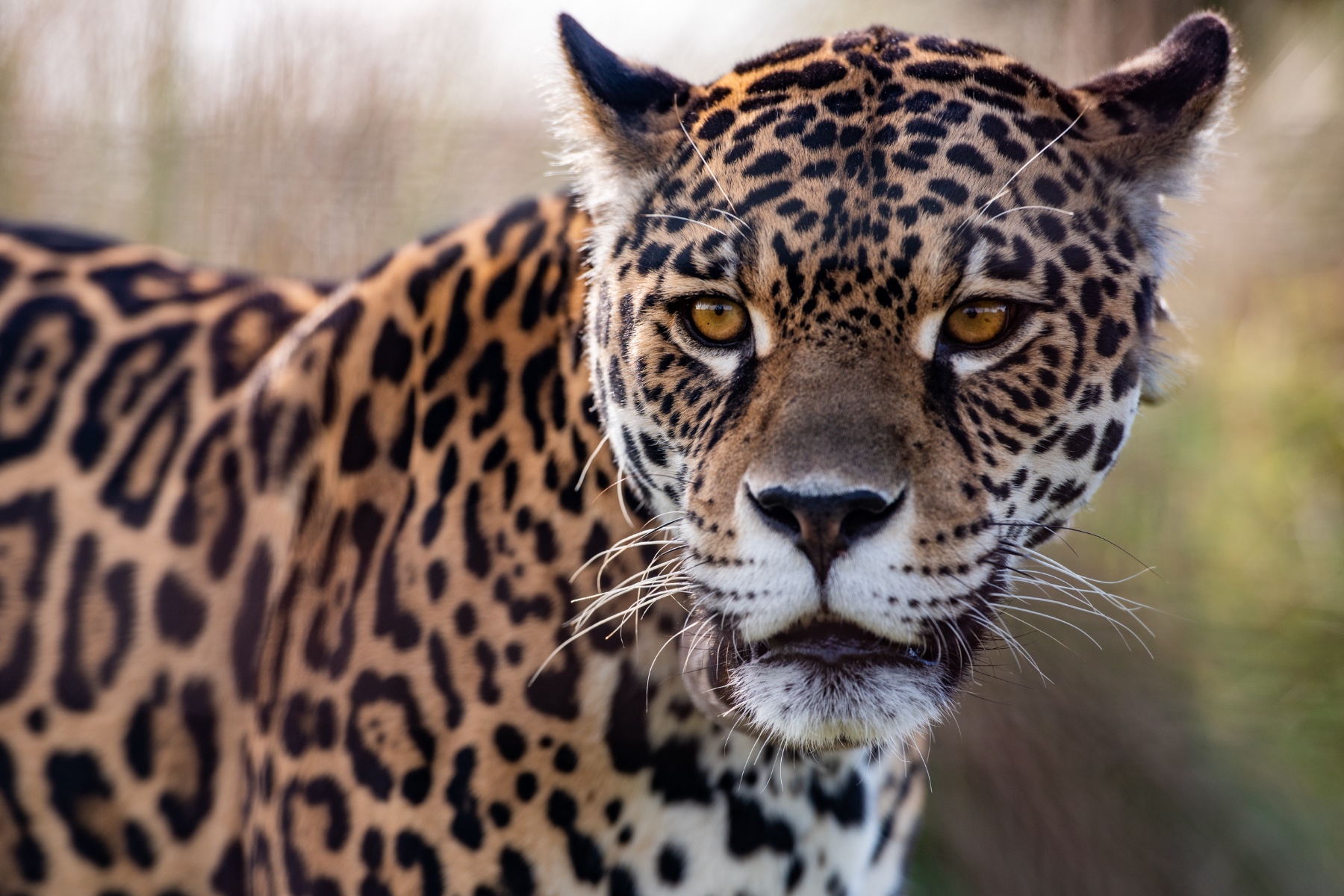
Jaguar at Parque Nacional Iberá

Welcoming three new jaguars to Iberá

Six members of the pioneering Fundación Rewilding team – Valen, Maga, Sebas, Hector, Gus and Fede – recently returned from a challenging trip to Paraguay to bring three new jaguars to their new home in Corrientes. The three young individuals include two males and one female and are currently undergoing a quarantine period before being officially incorporated.
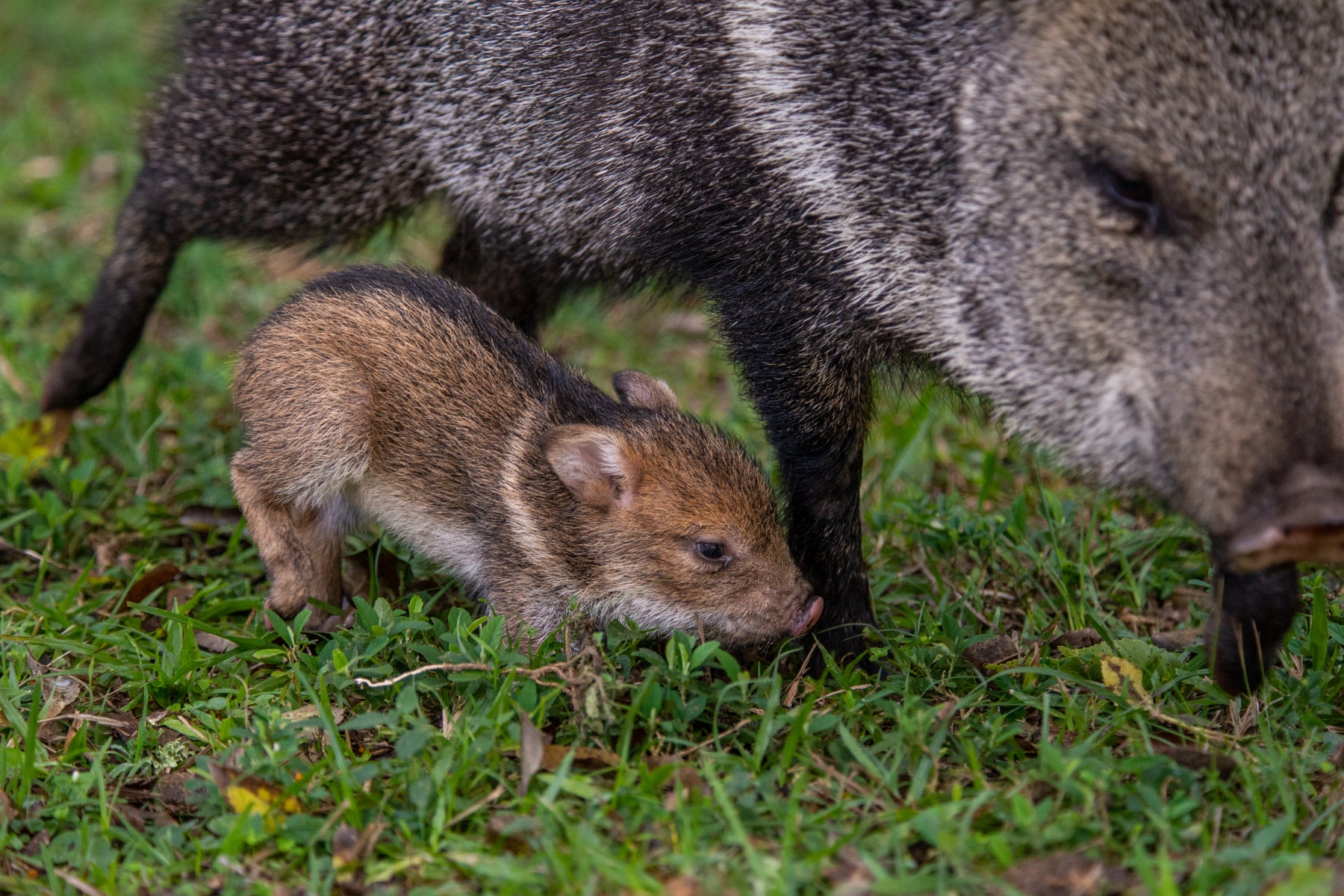
Collared Peccaries at Parque Nacional Iberá

Birthing success for the collared peccaries

In April, two of San Alonso’s female collared peccaries gave birth, resulting in three new healthy offspring to join the squadron in the National Park. 
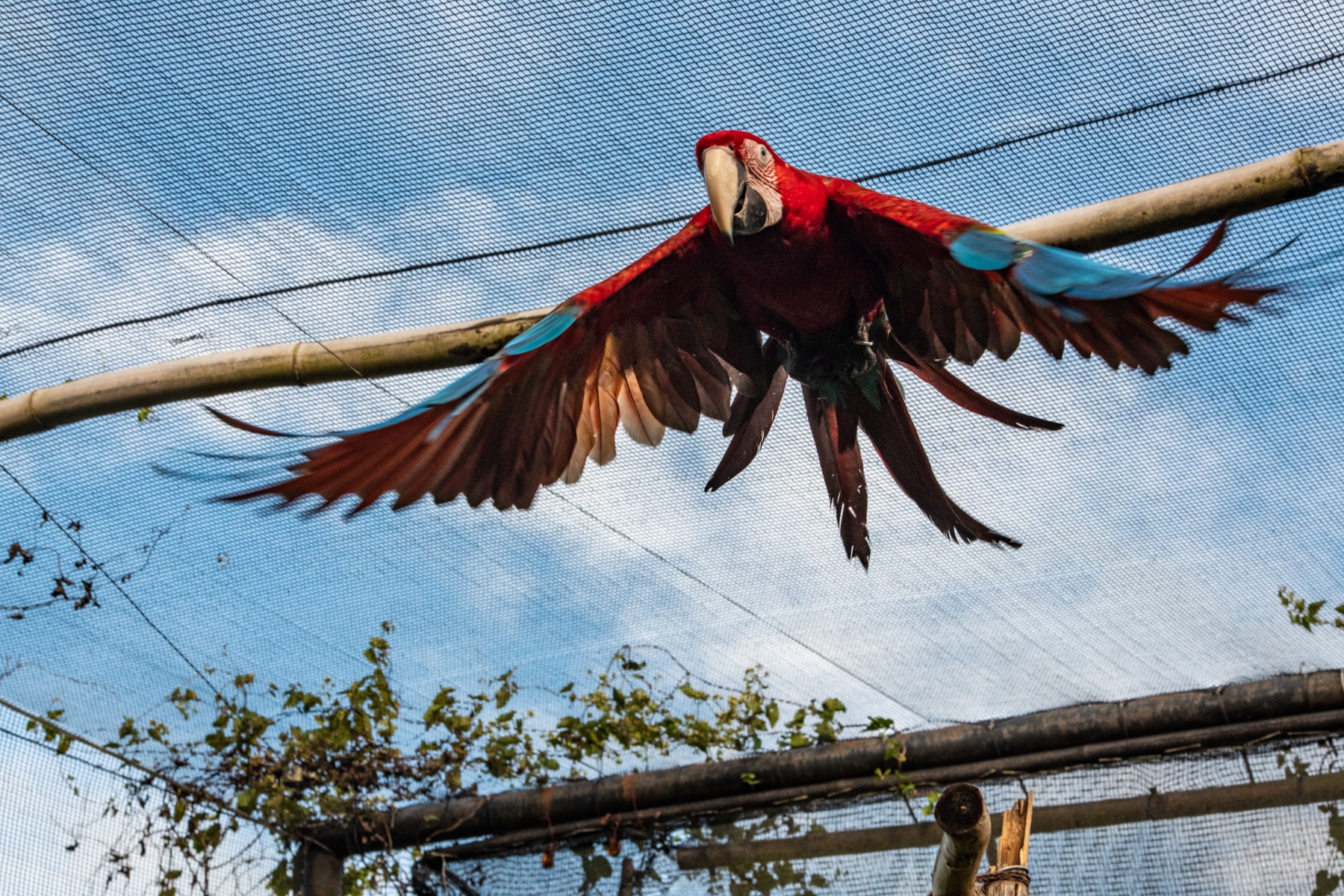
Wildlife at Parque Nacional Iberá journeys with purpose

News from the aviary

Parque Iberá recently received three new red-and-green macaws provided by Buenos Aires Ecoparque. These reintroductions are undergoing a ramped-up flying training regime, remaining uncaged and able to fly freely around the biological station’s facilities.

Tokwaj and Mbutu, two of the project’s adult macaw chicks, are already flying in an external cage and are awaiting their move to the 30-metre long aviary in the Aguará Conservation Center, where they will take on flying and anti-predator training. 

Six macaw individuals have now finished their flying and anti-predator training in the Aguará Conservation Center and have been recently transferred to the pre-release aviary in Yerbalito, to soon be soaring free in the skies of Iberá.

DIG A LITTLE DEEPER

Watch one of the red-and-green macaws explore the aviary here.
Related field notes

Coastline of Mozambique, a perfect diving spot

Diving in Mozambique: Exploring One of the Indian Ocean’s Last Great Frontiers

Venture beyond the beaten path with diving in Mozambique, where remote reefs, slow exploration and conservation-led travel reveal the ocean at its wildest.
Man hiking on a luxury expedition in Patagonia

A Guide to Luxury Expeditions: Exploring the World’s Wildest Places

Inspire holidays of a lifetime with luxury expeditions that deliver life-changing travel experiences and unforgettable bucket list travel ideas in the world’s wildest places.
Woman hiking next to a waterfall

The New Language of Travel: How Conscious Journeys Will Shape 2026

Discover the travel trends shaping 2026, from conscious journeys and deep luxury to slower, more intentional travel rooted in meaning and connection.
zambezi river

How to Experience the Best of The Zambezi River

Discover unforgettable Zambezi River activities, from safari cruises and canoeing to Victoria Falls, rafting and wildlife encounters on Africa’s River of Life.

At a Glance: Fundación
Rewilding Argentina

1,850,000

…acres (or 750,000 hectares) of land protected.

264,000,000

…metric tonnes of carbon dioxide equivalent sequestered.

370,658

…acres donated for new parkland creation.

OUR FOCUS - THE IBERÁ NATIONAL PARK:

This extraordinary wetland, the largest in Argentina, is home to 30% of the biodiversity in the country including endangered species such as the pampas and marsh deer, the maned wolf and grassland birds like the strange-tailed tyrant.

In 2005, what was to become one of the largest rewilding programs in the Americas was started, with the goal of restoring keystone species that had been extirpated from Iberá through hunting and habitat loss and were extinct in the region, the Province or, in some cases, the country. 

As the rewilding program developed, the cultural identity of Iberá began to recover alongside the ecosystems and natural processes, impacting a total population of 100,000 people who surround the park.

Today, Iberá stands as one of the world’s most successful ongoing conservation missions.