Notes from the field – Carpathia, Romania – August 2022

It’s no secret that this summer has been a record-breaker when it comes to droughts, wildfires and high temperatures all generated by anthropogenically accelerated climate change. These conditions have had detrimental effects across Europe, and our partners at Foundation Conservation Carpathia are no exception as we discovered from a recent update from their teams on the ground.

Ecological Restoration

Additional efforts had to be made to water the tree nurseries and ensure that saplings didn’t die from a lack of water generated by unusually dry conditions in July and August. Elm seeds are beginning to germinate, however this year’s seeds are not of as high a quality as usual meaning that the FCC team are sadly not hopeful about their longevity. Despite this, their efforts continue so as to create a new generation of forests.
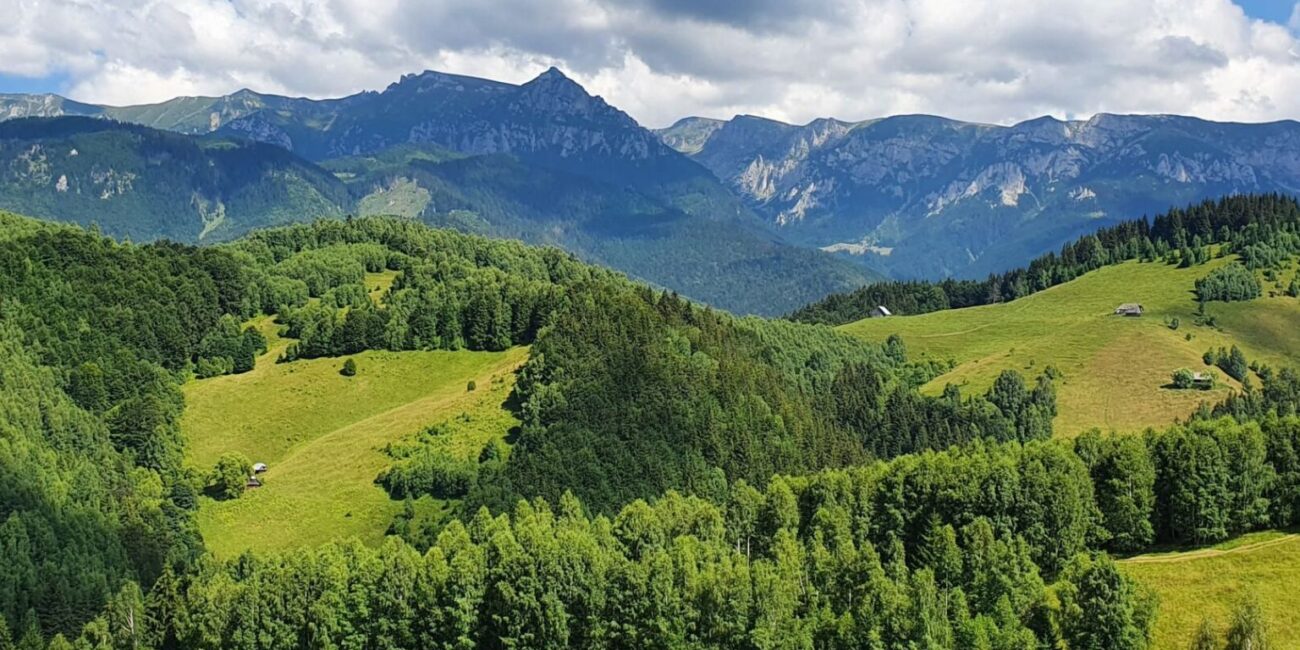
 

Without the vital support of teams of volunteers, this work would not be possible. Volunteers from FCC”s  partner company Zentiva have worked hard weeding more than 16,000 mountain ash saplings which will grow in greenhouses until autumn when they will be planted higher up in the mountains. Mountain ash is another species being grown by the team, as it is important for biodiversity and its round red fruits are a vital source of food for the birds during winter.

Alongside this, work has continued to eradicate those plant species which are invasive and alien to the Fagaras region. Floral surveys and fixed point photographs were taken from 28 sample areas in order to monitor the change in presence of alien plant species after their removal in the Cumpăna, Vâlsanului, Otic, Doamnei, Dâmboviței and Dragoslovenilor Valleys. FCC’s efforts in the Zănoguța, Băsa and Valea Lungă areas were also monitored to assess the progress on restoring degraded habitats. 
Wildlife Conservation

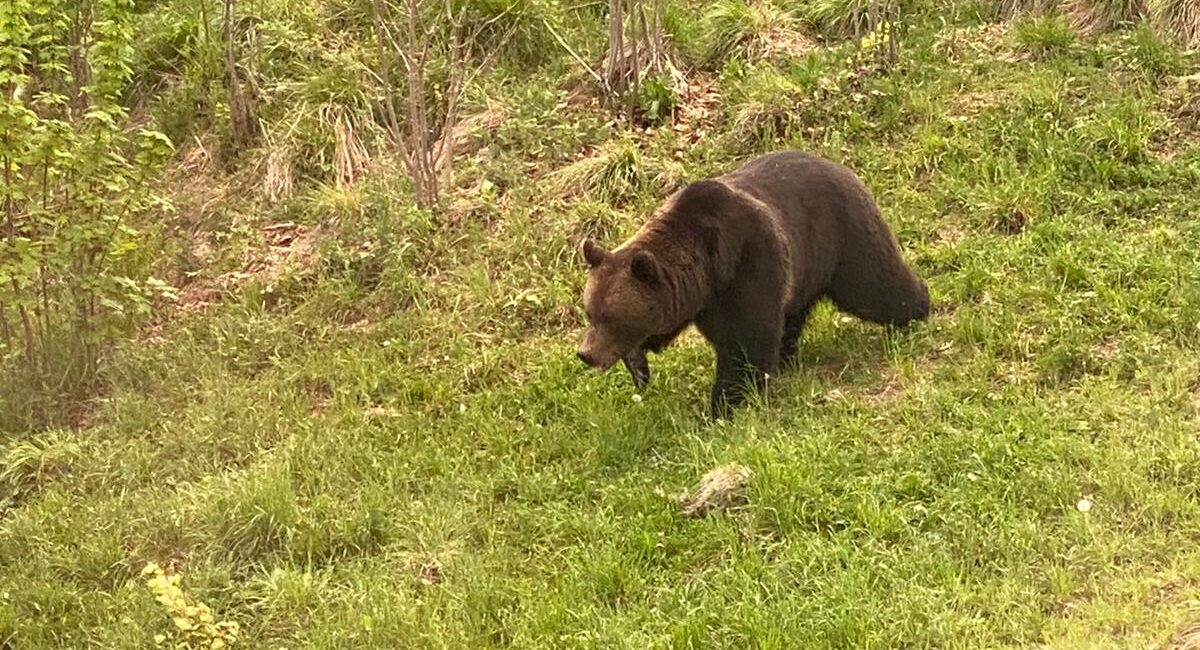
FCC’s brown bear census has restarted, with the methods using genetic monitoring being employed across an area of over 120,000 ha. Due to extenuating circumstances, one of the bears which is resident to FCC’s project area had to be killed. It was discovered from DNA analysis that this individual had been responsible for multiple lethal livestock attacks, and as a result of the threat posed to lives and livelihoods the devastating but necessary decision was made. 


Community outreach

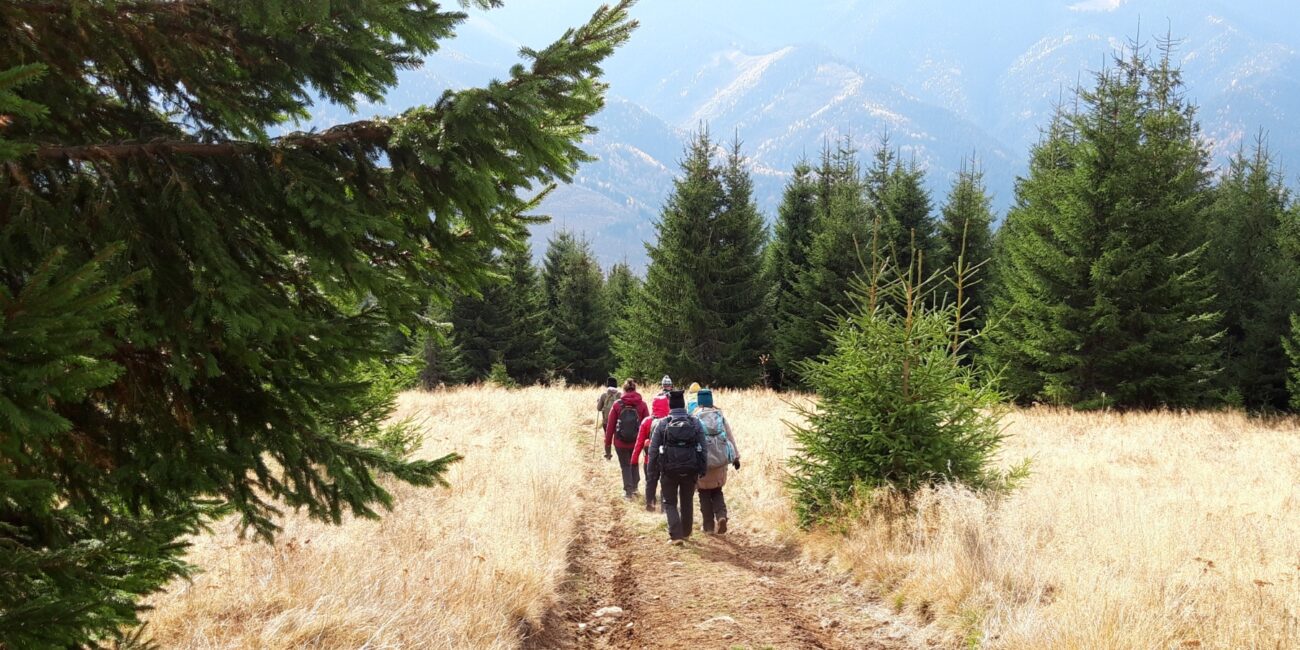
Each year, FCC run Făgăraș Fest, a three day festival offering an uparalleld experience of the breathtaking mountains. This year the festival saw the public participating in hikes, guided tours, a film evening, photo exhibition, adventure competition and good music enjoyed across the Sibiu county.
Eco-friendly travel experiences with Journeys With Purpose

The summer in numbers:

  • In July and August, FCC purchased an additional 1.2 ha of forests for protection.
  • 36 bison are roaming free in the Făgăraș Mountains accompanied by six healthy calves – one from last October and five from this year. (Here is a video made by, Mossy Earth: https://www.youtube.com/watch?v= B3o2tuN4rlQ)
  • By the end of August, they had collected 267 out of 900 genetic samples from scat and hair specimens.

FCC’s story so far:

  • 26,900 ha of forest are under permanent protection, safeguarded for future generations
  • 96,500 ha have been protected for wildlife, with no sport or trophy hunting
  • 1,819 ha have been bought and restored (clear-cuts, alpine pastures, spruce monocultures)
  • 3,507,432 trees have been planted in clear-cuts, riparian galleries and restoration areas of spruce monocultures
  • 200 locals are making a living from the CARPATHIA project
  • 2,200 students and teachers are involved in environmental education projects

DIG A LITTLE DEEPER

Science of Rewilding: Iberá National Park – New Scientist 
Wet & (Re)Wild in Argentina – World of Topia 
Video: TED2020 Talk with Kristine Tompkins – Ted.com

Related field notes

The SEA People Boat Raja Ampat JWP

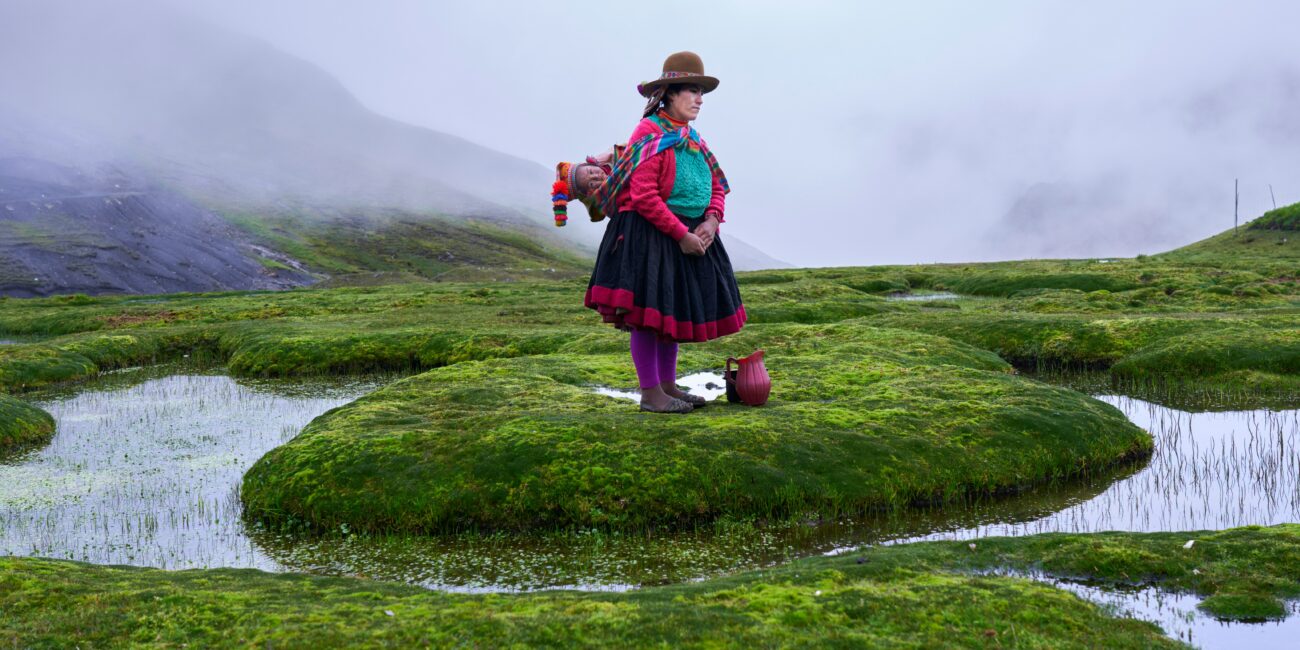
In Conversation With Lynn Lawrance: Restoring Reefs, Reclaiming Agency in Raja Ampat

In Raja Ampat, marine conservation is not just about restoring reefs, but restoring agency. In this conversation with Lynn Lawrance, co-founder of The SEA People, we explore community-led conservation, the realities behind rapid tourism growth, and what it truly means to protect the ocean while empowering the people who depend on it.
Isla Secas Panama JWP

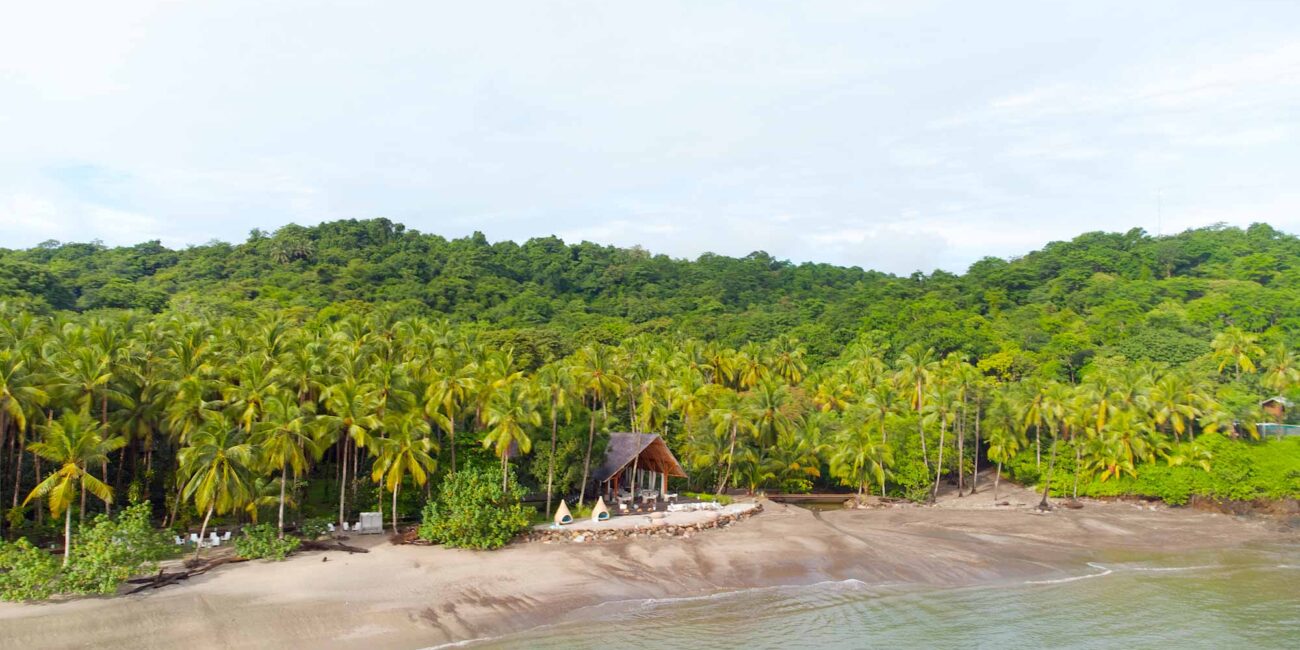
Isla Secas, Panama: A Conservation Sanctuary in the Gulf of Chiriquí

Discover Isla Secas, a remote eco-retreat in Panama’s Gulf of Chiriquí where conservation, marine wildlife and barefoot luxury converge. From humpback whale migrations to vibrant coral reefs and rainforest biodiversity, this journey explores one of the Eastern Tropical Pacific’s most vital ecosystems and a powerful model for regenerative travel.

Travel as Education: Why the World is the Greatest Teacher

Educational travel remains one of the most powerful ways to learn, not through textbooks, but through lived experience. From conservation landscapes to cultural immersion, travel becomes a framework for understanding ecosystems, communities and our place within them. Discover how purposeful journeys foster curiosity, empathy and long-term perspective, transforming travel into a meaningful form of lifelong education.
Winter Scene Japan JWP

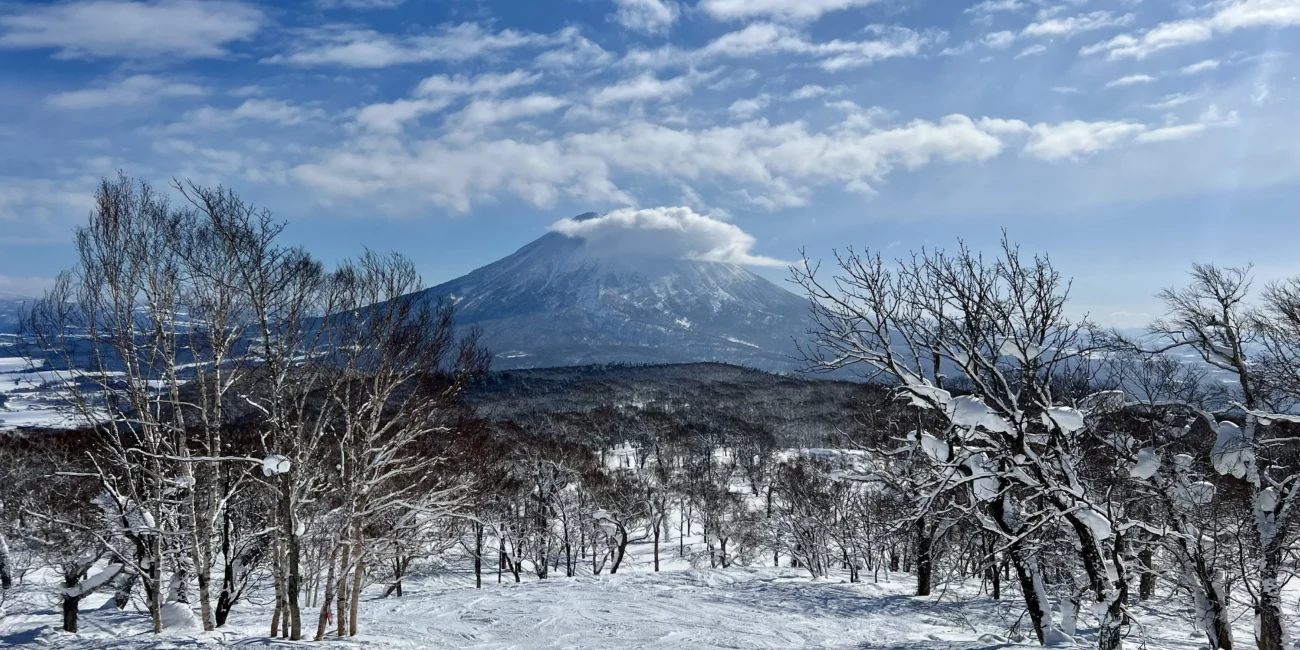
JAPOW ! ジャパウ!

Japan is a land of harmonious dualities, ancient and modern, disciplined and creative. In this journey from Tokyo to Hokkaido, Duncan Grossart explores Shinto shrines and samurai history before heading north in search of legendary Japow, the powder snow that defines Niseko. Beneath Mount Yōtei and among silent birch forests, the experience becomes more than skiing. It is immersion in nature, culture and climate, and a reminder that travel, at its best, reshapes perspective and deepens reverence.

At a Glance: Fundación
Rewilding Argentina

1,850,000

…acres (or 750,000 hectares) of land protected.

264,000,000

…metric tonnes of carbon dioxide equivalent sequestered.

370,658

…acres donated for new parkland creation.

OUR FOCUS - THE IBERÁ NATIONAL PARK:

This extraordinary wetland, the largest in Argentina, is home to 30% of the biodiversity in the country including endangered species such as the pampas and marsh deer, the maned wolf and grassland birds like the strange-tailed tyrant.

In 2005, what was to become one of the largest rewilding programs in the Americas was started, with the goal of restoring keystone species that had been extirpated from Iberá through hunting and habitat loss and were extinct in the region, the Province or, in some cases, the country. 

As the rewilding program developed, the cultural identity of Iberá began to recover alongside the ecosystems and natural processes, impacting a total population of 100,000 people who surround the park.

Today, Iberá stands as one of the world’s most successful ongoing conservation missions.