Rather than selling the company or taking it public, the Chouinard family have transferred their ownership of Patagonia which is valued at $3 billion, to a specially designed non-profit organisation. The Holdfast Collective is an initiative supporting the protection of our planet’s wild places, and the Chouinard’s decision will amount to around $100m (£87m) a year of Patagonia’s profits being given to the organisation.
“We are going to give away the maximum amount of money to people who are actively working on saving this planet.”
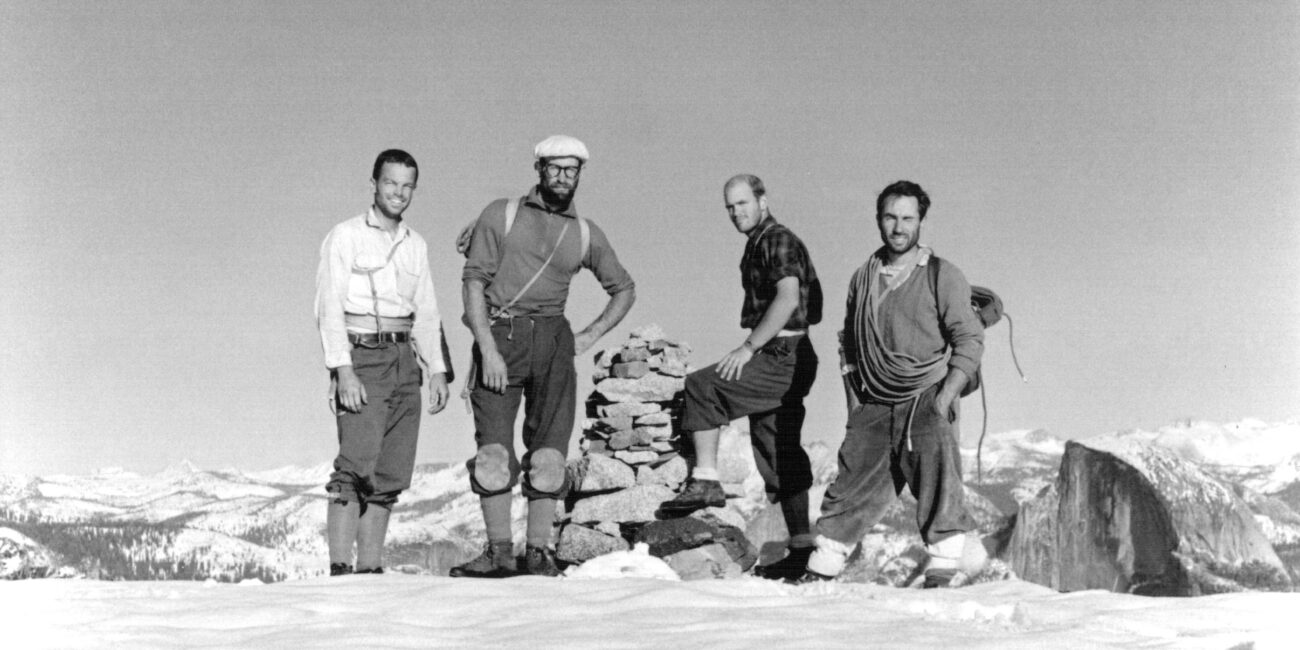
Yvon Chouinard has been a life-long advocate for wilderness and founded Patagonia following a climbing trip to Mount Fitzroy in the Patagonia region, with dear friend Doug Tompkins in 1968. Both Doug and Yvon shared a love for the outdoors and a deep appreciation for respecting and protecting the natural world.
Doug went on to found the Foundation for Deep Ecology and The Conservation Land Trust and married the then CEO of Patagonia’s retail arm, Kris Tompkins. Together the Tompkins’ built an impressive conservation legacy focused on preserving wild landscapes and biodiversity through projects such as the Iberá Wetlands Project in Corrientes, Argentina.
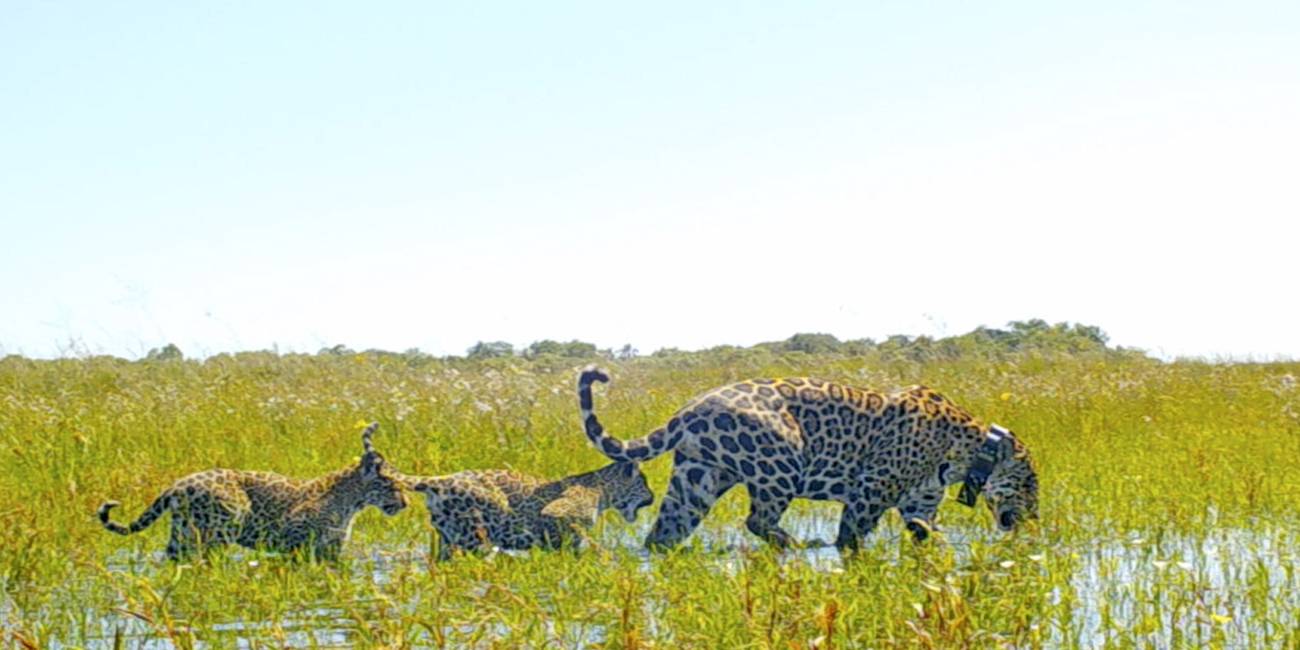
The Iberá Project was a private conservation enterprise that was spearheaded by Tompkins and Tompkins’ Conservation Land Trust with the goal to protect and restore habitat and biodiversity. The park is the largest in Argentina, made up of 1.7 million acres, and the local people take huge pride in the success and recognition that the Tompkins’ work has brought to the area.
JWP’s mission is to spotlight these extraordinary people and the pioneering initiatives that are paving the way in nature restoration. The Tompkins’ work across Chile and Argentina in restoring large tracts of land to their natural, wild state, and bringing harmony back to nature and communities, is so significant that it has become an exemplary destination for conservationists worldwide. It is a resoundingly inspiring example of what humanity is capable of when we are motivated not only rationally, but emotionally.
Yvon, with all his outdoor endeavours and far flung expeditions, never let his emotional engagement with the natural world wane. And this engagement spurred a lifelong commitment to a sustainable lifestyle that honours nature.
Journeys with Purpose is thrilled to see Patagonia’s profits be directed towards projects such as those produced by the continued efforts of Kris Tompkins, and share Yvon Chouinard’s ethos that
“We need to protect these areas of unaltered wildness and diversity to have a baseline, so we never forget what the real world is like—in perfect balance, the way nature intended the earth to be. This is the model we need to keep in mind on our way toward sustainability.”
Yvon Chouinard in Let My People Go Surfing
We are hosting a small group journey this month granting unparalleled access to Iberá. Guests will be hosted by Kris and be given the opportunity to hear about the work that she and her late husband pioneered and which she now continues to champion. For further information and to express your interest in a future journey, write to us through this link.
DIG A LITTLE DEEPER
Science of Rewilding: Iberá National Park – New Scientist
Wet & (Re)Wild in Argentina – World of Topia
Video: TED2020 Talk with Kristine Tompkins – Ted.com.