A Field Diary from 79 Degrees North
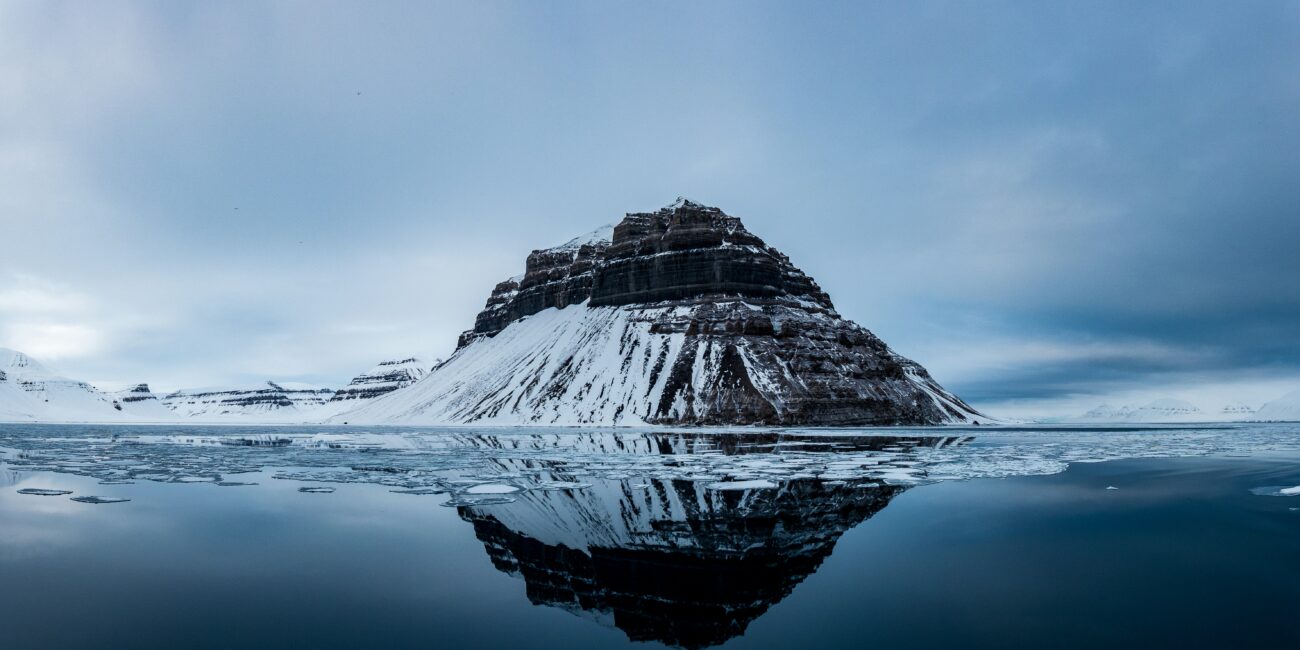
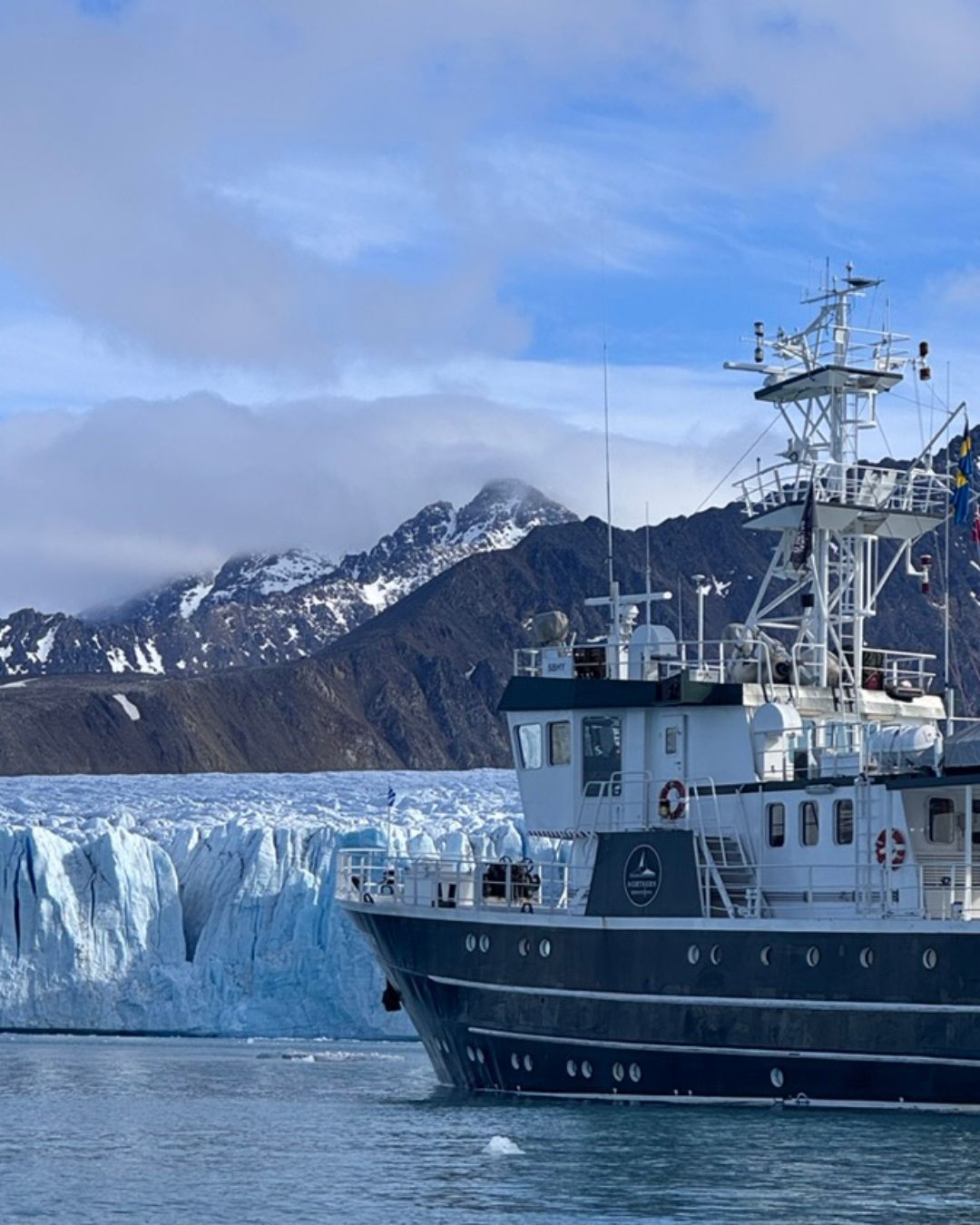
Crunch. Crackle. Pop. As our boat noses through the frozen waters a low, restless percussion rises and falls. In this stillness, our senses are attuned to every pinprick sound, the peeling of a glacier from a few hundred metres away is audible beneath the soft beat of an Arctic tern’s wings. This is nature’s greatest orchestra.
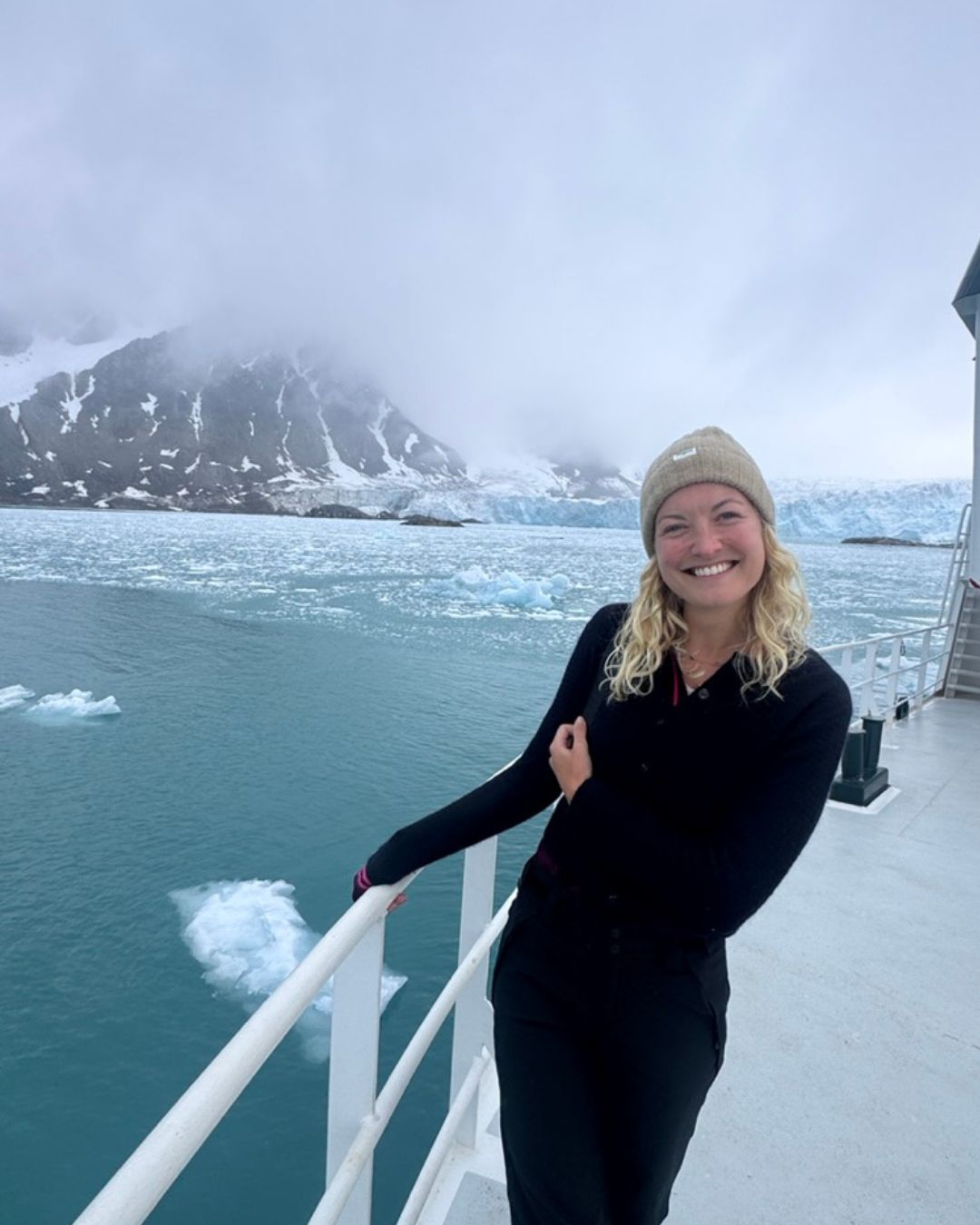
London already feels improbably remote – another latitude, another planet. We are at 79 degrees north, aboard Kinfish, a twelve-berth former fishing vessel turned expedition ship, tracing the fjords of Svalbard. Like everyone else on board, I have come in search of the polar bear, an animal found nowhere else on Earth outside this archipelago, Churchill and the Russian Arctic. For all their bulk, weighing up to around 600kg, and their strange, unhurried grace, bears here remain elusive. Sightings are rare and never guaranteed, but we remain steadfast in our childlike curiosity, unaware of the extraordinary magic that the coming days would hold.
Longyearbyen
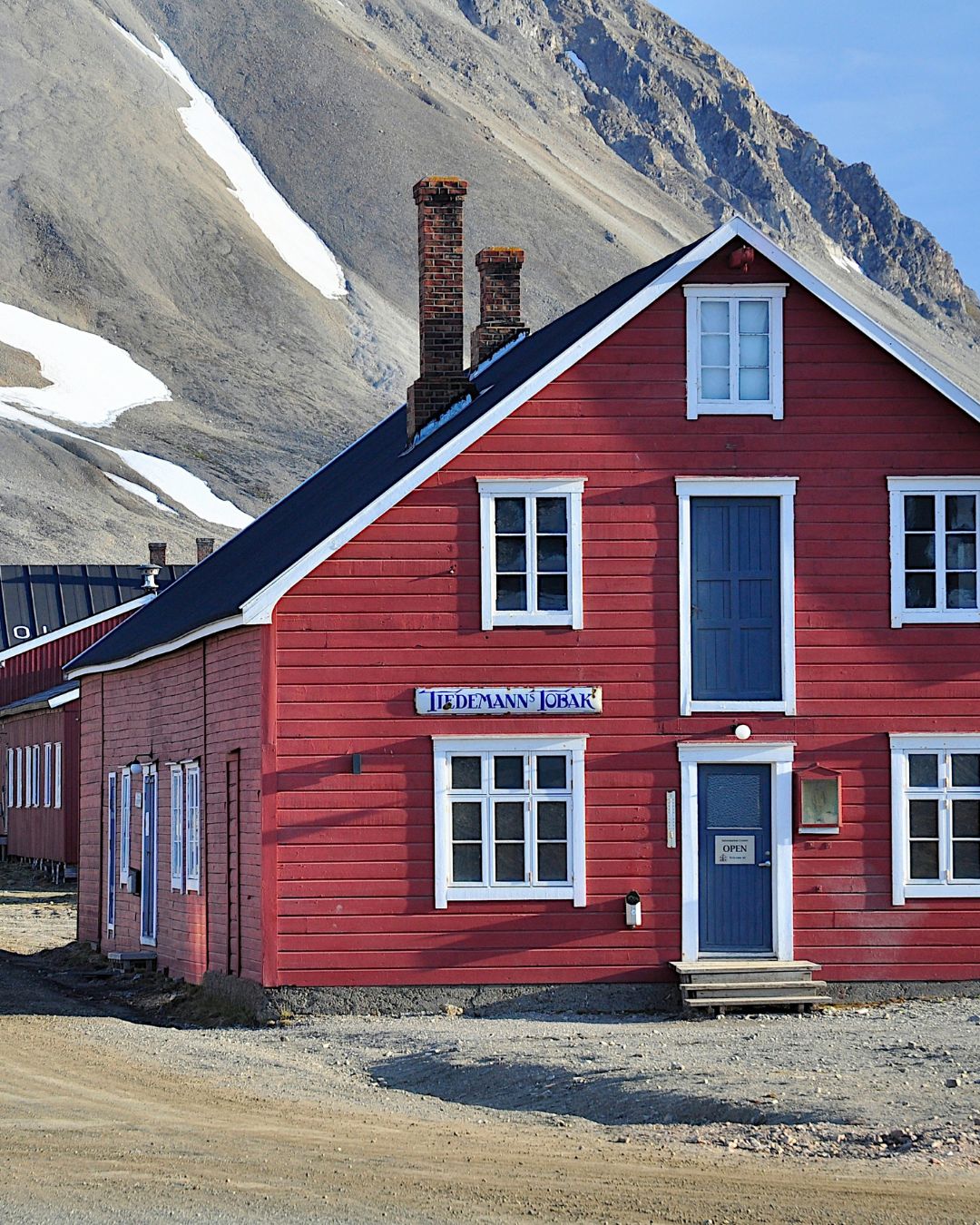
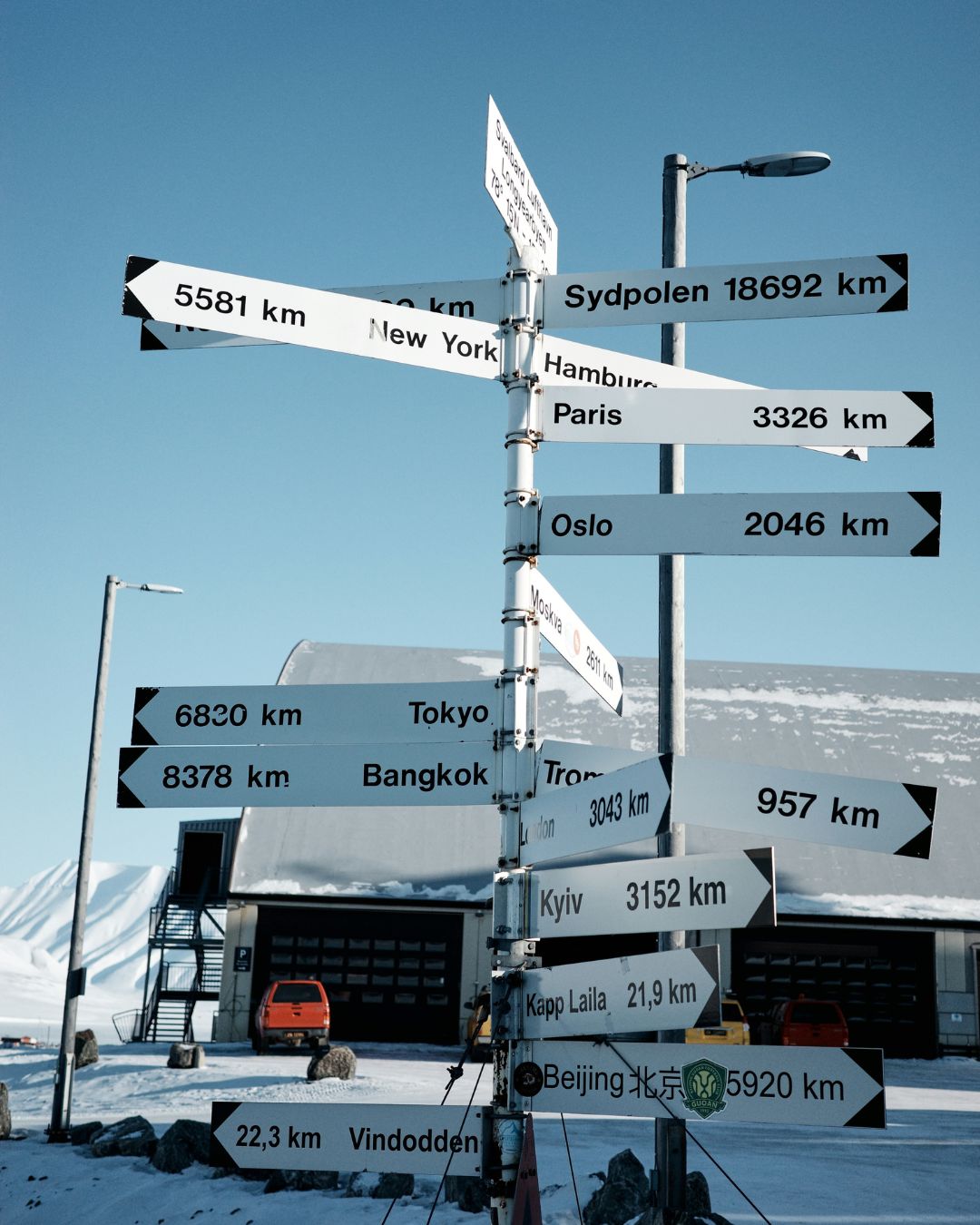
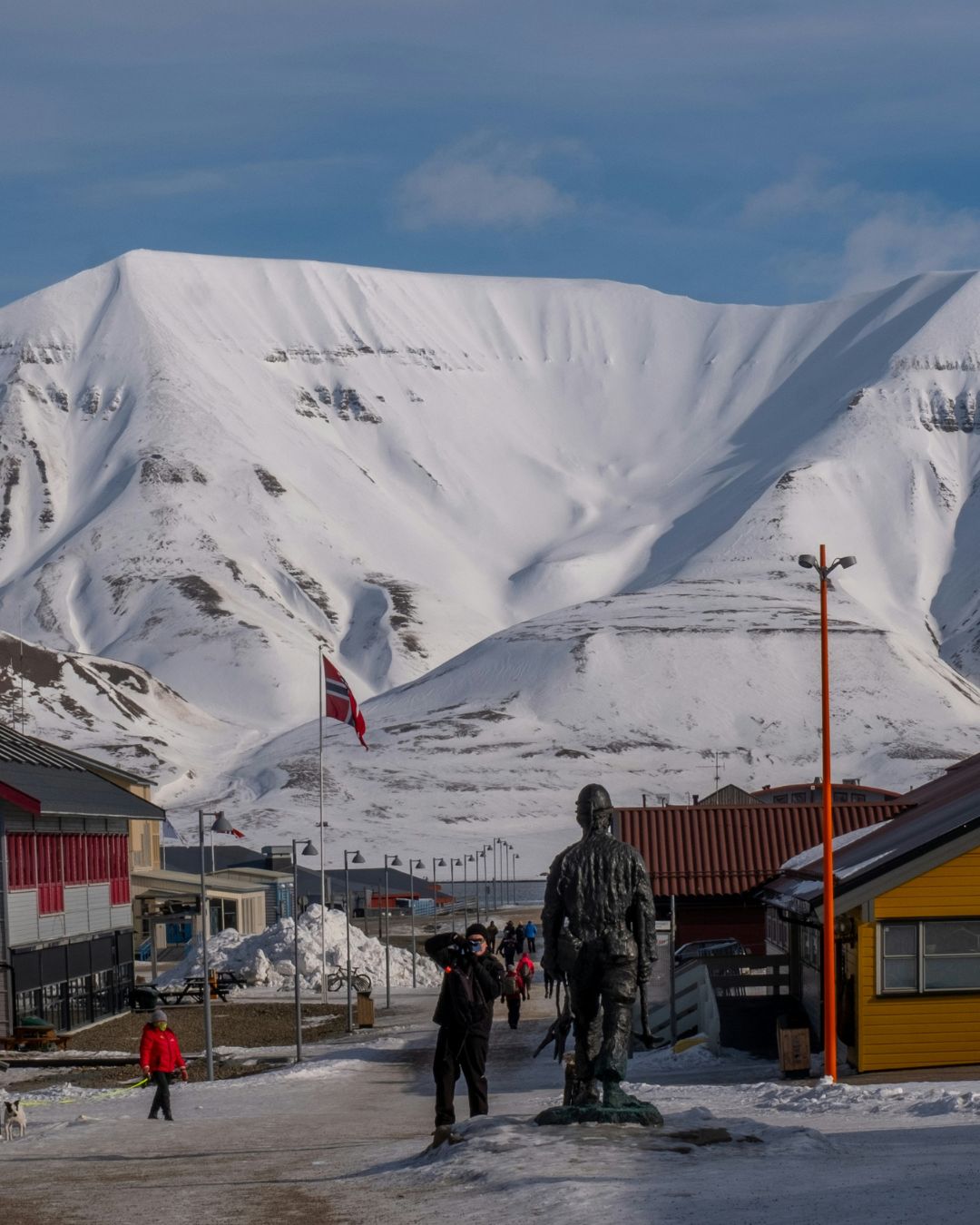
Our expedition begins in Longyearbyen, the world’s northernmost town (population: circa 2,500 people). Once an important coal mining settlement; its legacy is still legible on the hillsides, where the skeletons of old mineheads remain resolutely carved into the valley. The final mine was sealed in July 2025, marking the end of a 110-year history.
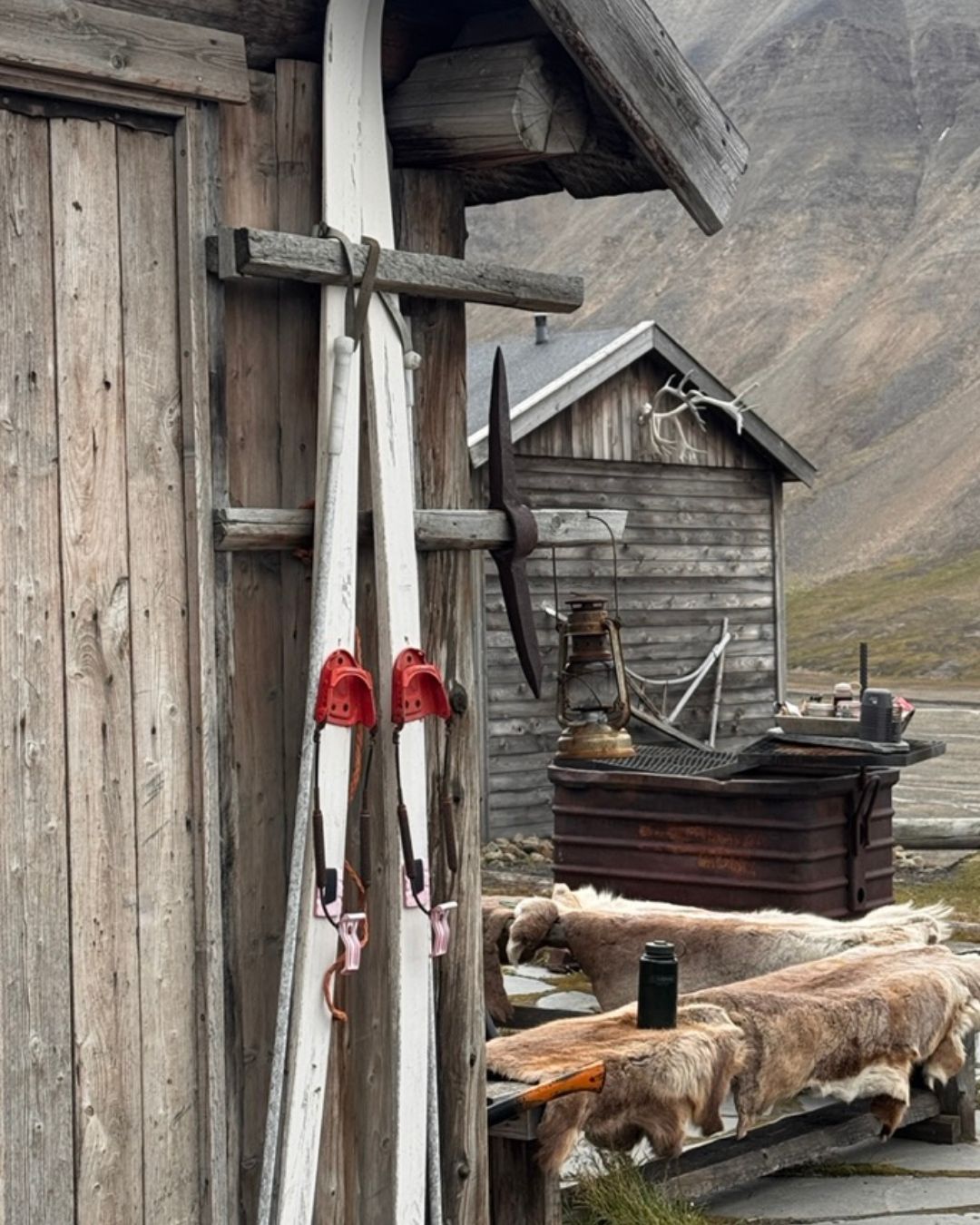
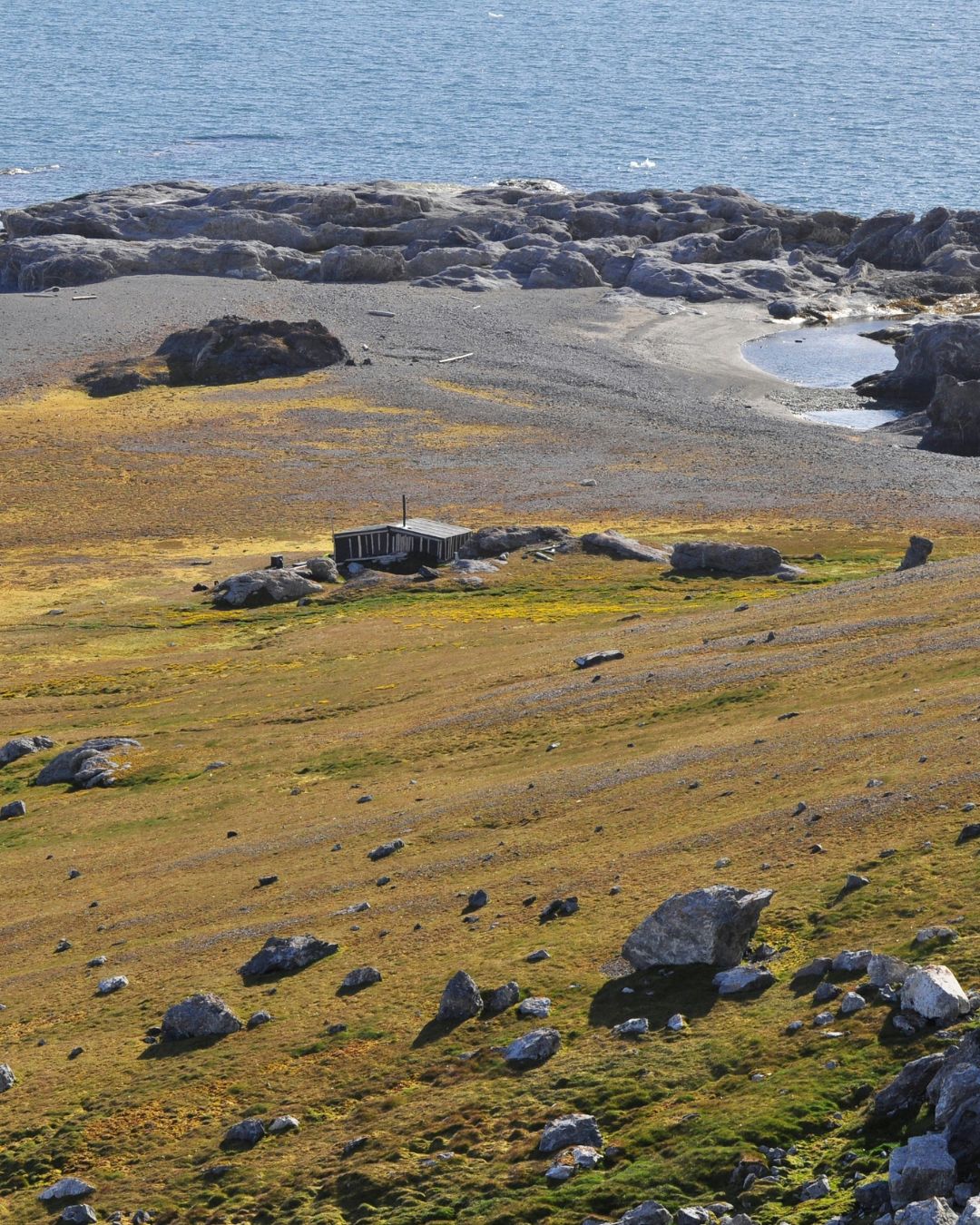
This industrial past has given way to a more creative identity in this remote settlement, 950km north from mainland Norway. In just a couple of days we meet Mexicans, Poles and Colombians; hardy Swedes who crew the boats; mainland Norwegians who have opened restaurants, craft shops and small hotels. Almost no one stays the full year — when the true winter darkness closes in around October, Longyearbyen turns close to uninhabitable. Our host and guide, Hilde Fålun Strøm, is the exception. Between 2019 and 2021 she overwintered in a trapper’s hut deep in the wilderness, with a fellow citizen scientist, to conduct vital research. Her stories — skinning reindeer for food, electric blackouts in sub-zero isolation, and over 100 polar bear encounters — gave me chills. I’m humbled, not only by her extraordinary resilience, but by her motive: unshakeable love of nature and commitment to protecting it.
A Land Held in Ice
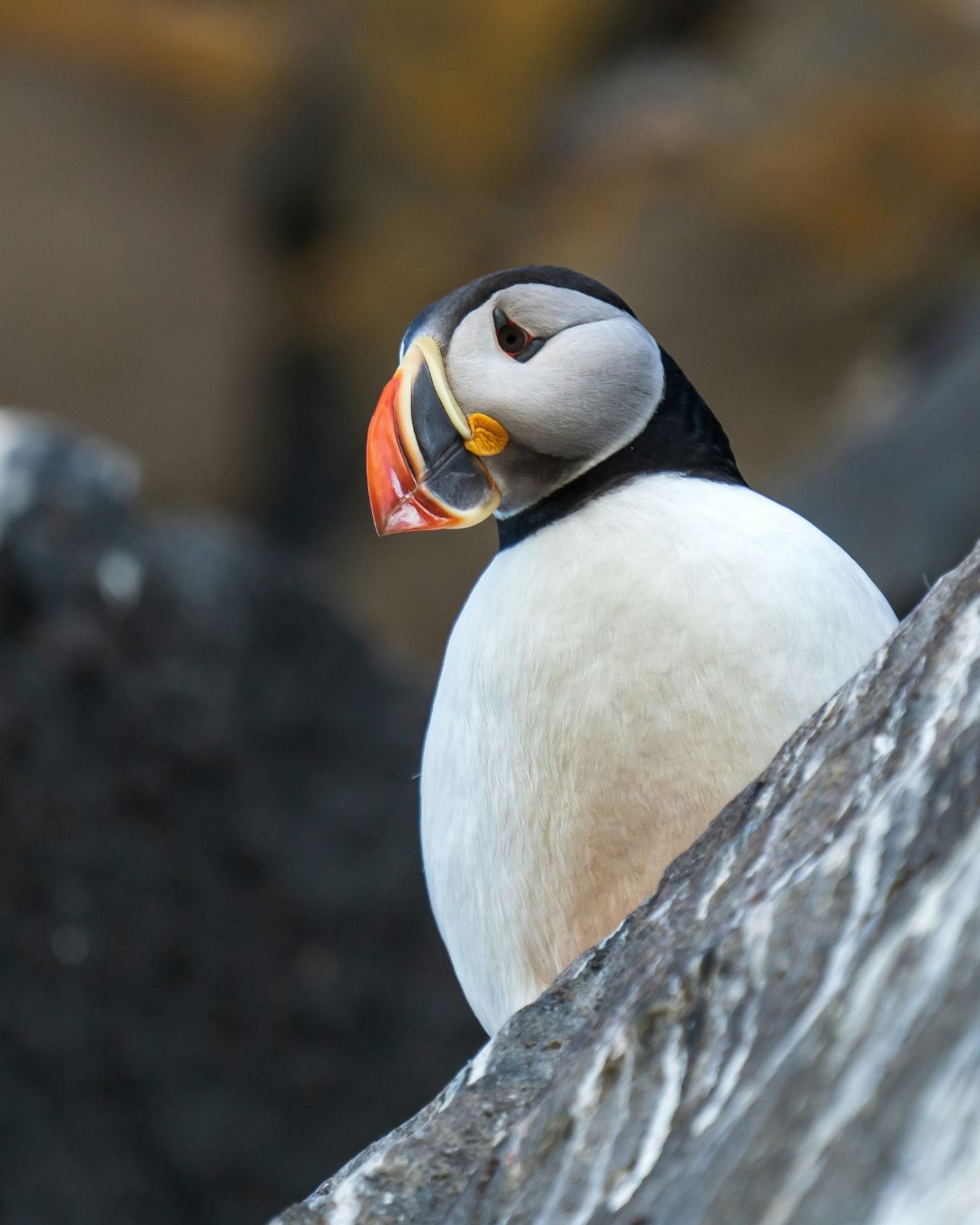
Svalbard has existed for millennia. It’s a landscape with a geological memory stretching back to an unfathomable time, holding more than 30,000 fossils and, somewhere in its permafrost, the frozen traces of expeditions long past. Part of Svalbard’s pull is exactly this: the mystery of what came before. The stories of the explorers who once forced their way through this terrain – from the race to the North Pole to the Dutch whalers settling on coastal stations in the 17-18th centuries – come alive through captivating tales told by our guide, as we sip on G&Ts (artisanal Norwegian gin) cooled by glacial ice. Perhaps the most haunting story is of Salomon August Andrée’s attempt to reach the North Pole by hydrogen balloon in 1897. In an attempt to drift from the Arctic Ocean to the Pole they lost control of their balloon and were forced to abandon it, somewhere in this vast, inhospitable landscape, and embarked on a 300 day trek across the Frozen Arctic. They made it to Kvitøya, where all three died.
Sheltering from the blistering winds around Isfjord Radio, we contemplated the mental state of those explorers and their existence within such a bleak yet beautiful landscape. The sauna we’d recently emerged from certainly didn’t exist back then.
The Bear
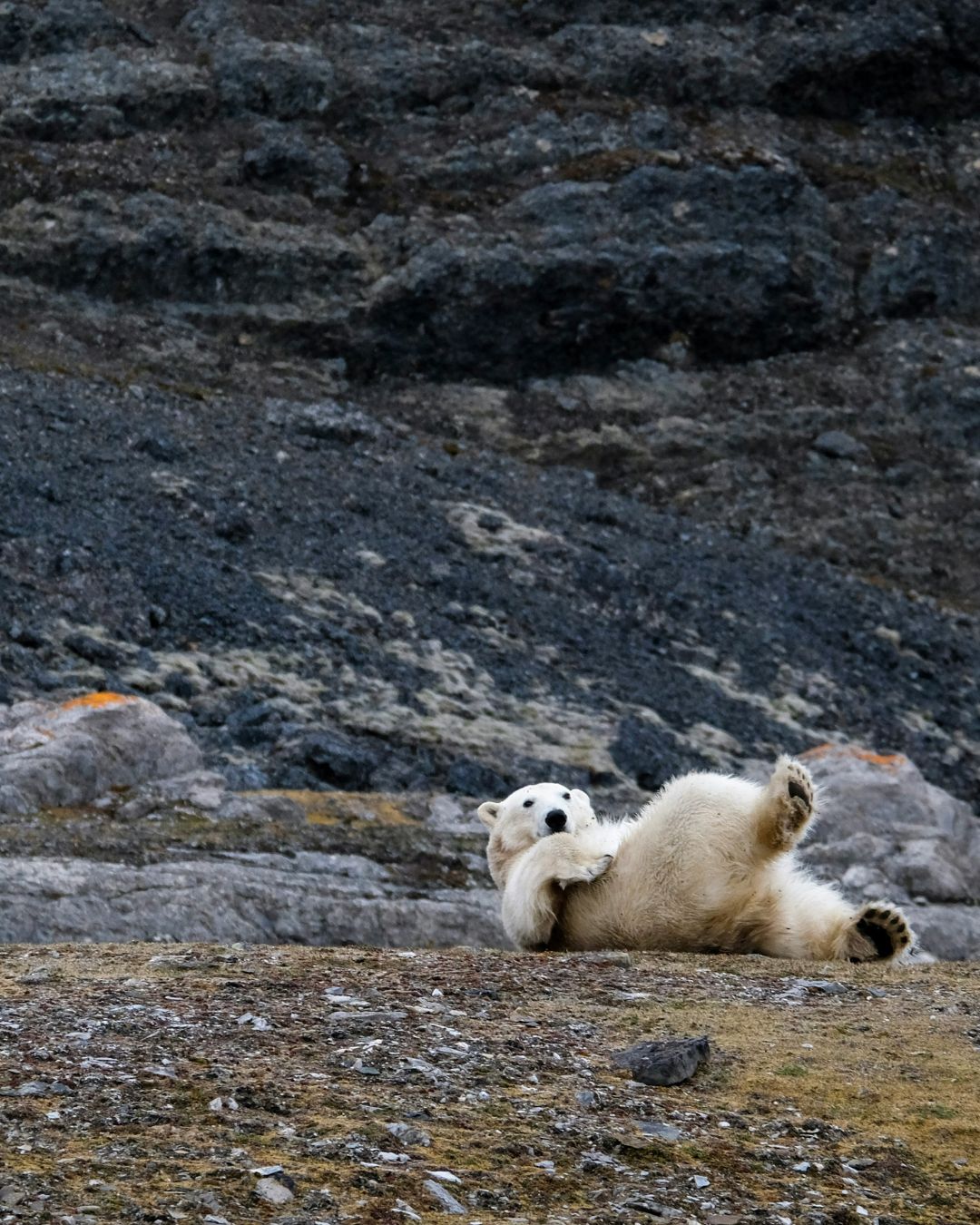
“A bear — a bear in the water!”
This is the moment we have all been waiting for. Through binoculars I make out a small dark nose lifting and dipping through the swell. It is hunting, smelling for food. We follow for three hours, revelling in the site of this magnificent creature. The bear never once paused to rest, swimming effortlessly through broken ice, though hunger eventually gets the better of us and we retreat, reluctantly, to the scent of the chef’s beef bourguignon.
It is July, and the midnight sun stretches the realm of possibilities for exploration. We move through the white desert by Zodiac, SUP and on foot, from galley to sundeck, in a constant trance of wonderment, feeling both the thrill of the adventure and the serenity of being immersed in the elements.
Lessons from the Arctic
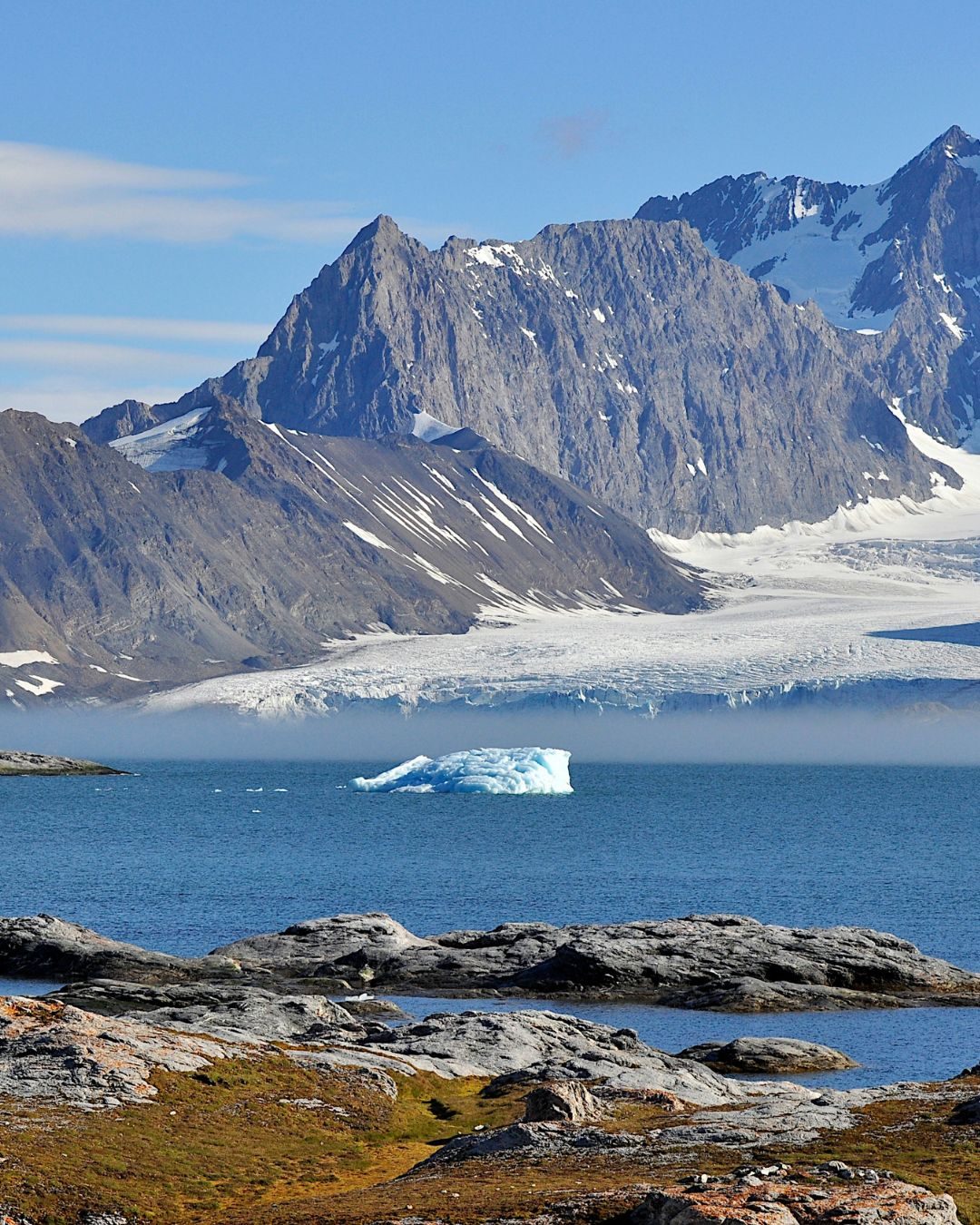
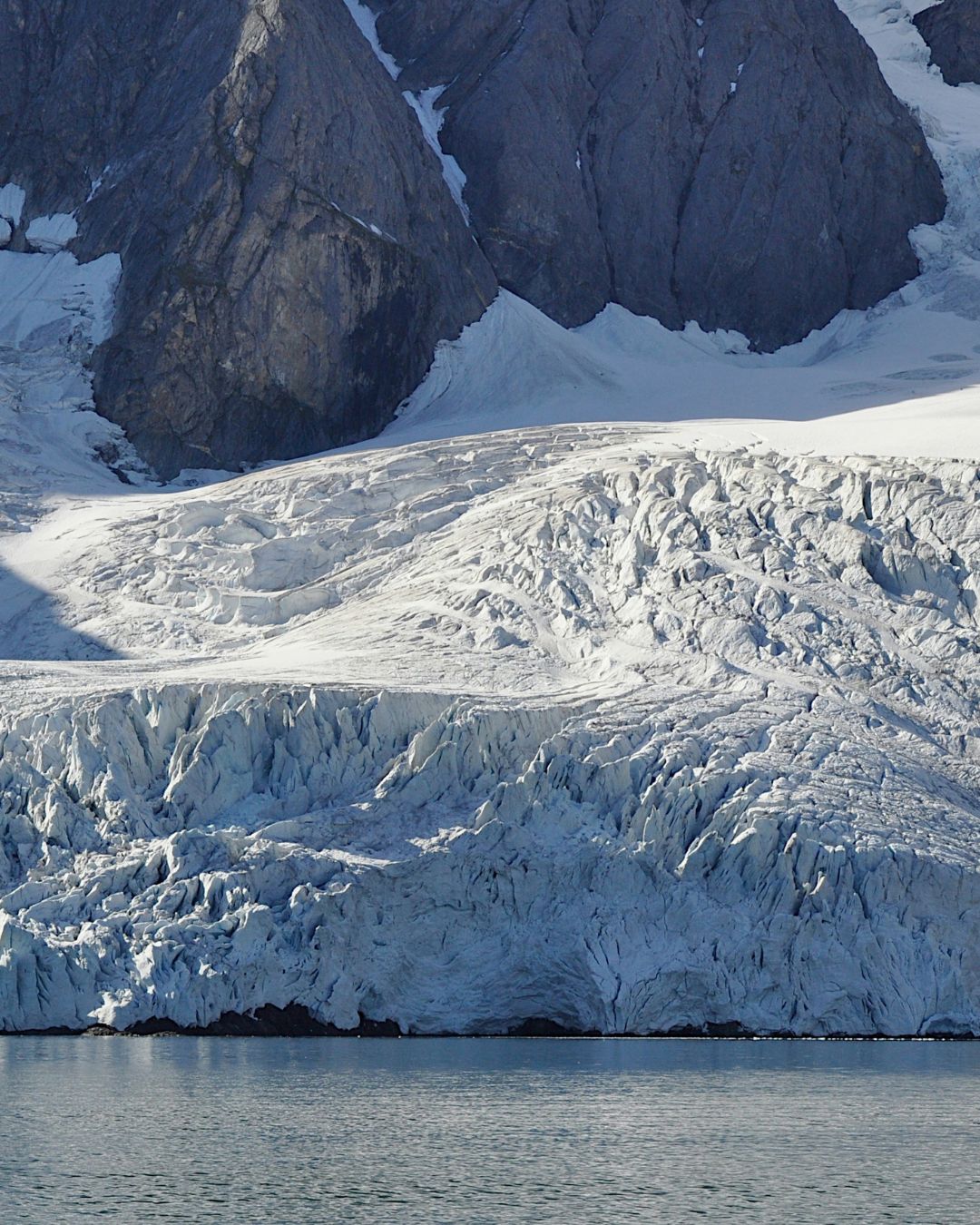
First impressions can be deceiving. The glacier ahead of us has retreated more than 2km in the last three years alone, our guide tells us — he has led expeditions here annually for 7 years and has watched it happen in real time. The Arctic is warming, by most measures, faster than anywhere else on the planet, and the evidence is not abstract here; it is evidenced visibly, audibly and in the changing behaviour of the wildlife.
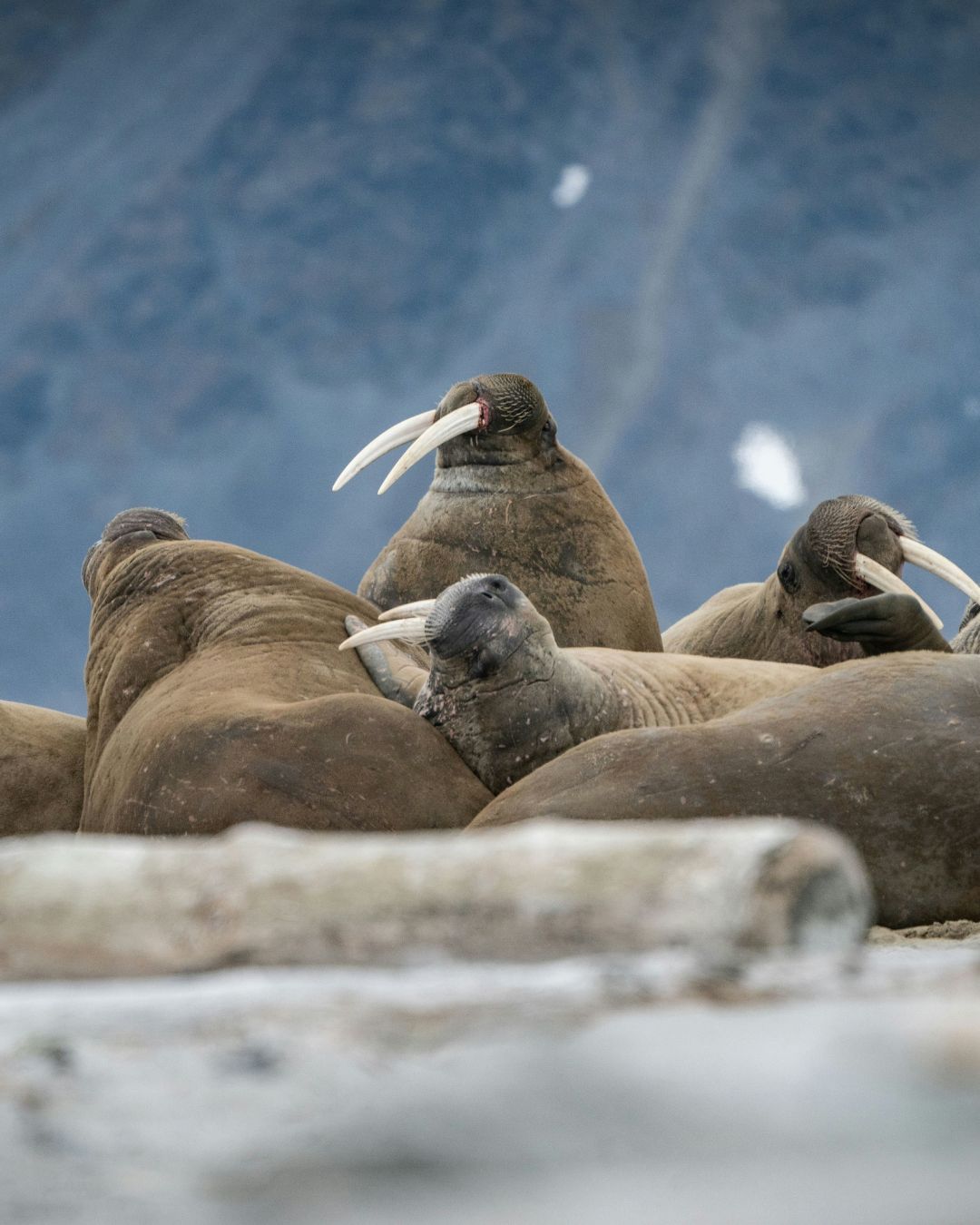
Accompanied by our specialist guide we delve deeper beyond the glacier façade. We learn that warming waters are changing the nutrient balance of the ocean, with knock-on effects for the whales, sharks, fish and everything else in this food system. Sea ice, it turns out, does for the Arctic Ocean roughly what soil does for a forest. As seawater freezes, it expels salt, opening tiny channels through the ice; sunlight filters down through these channels and algae take hold within them, forming a hidden garden that anchors the entire food chain above it.
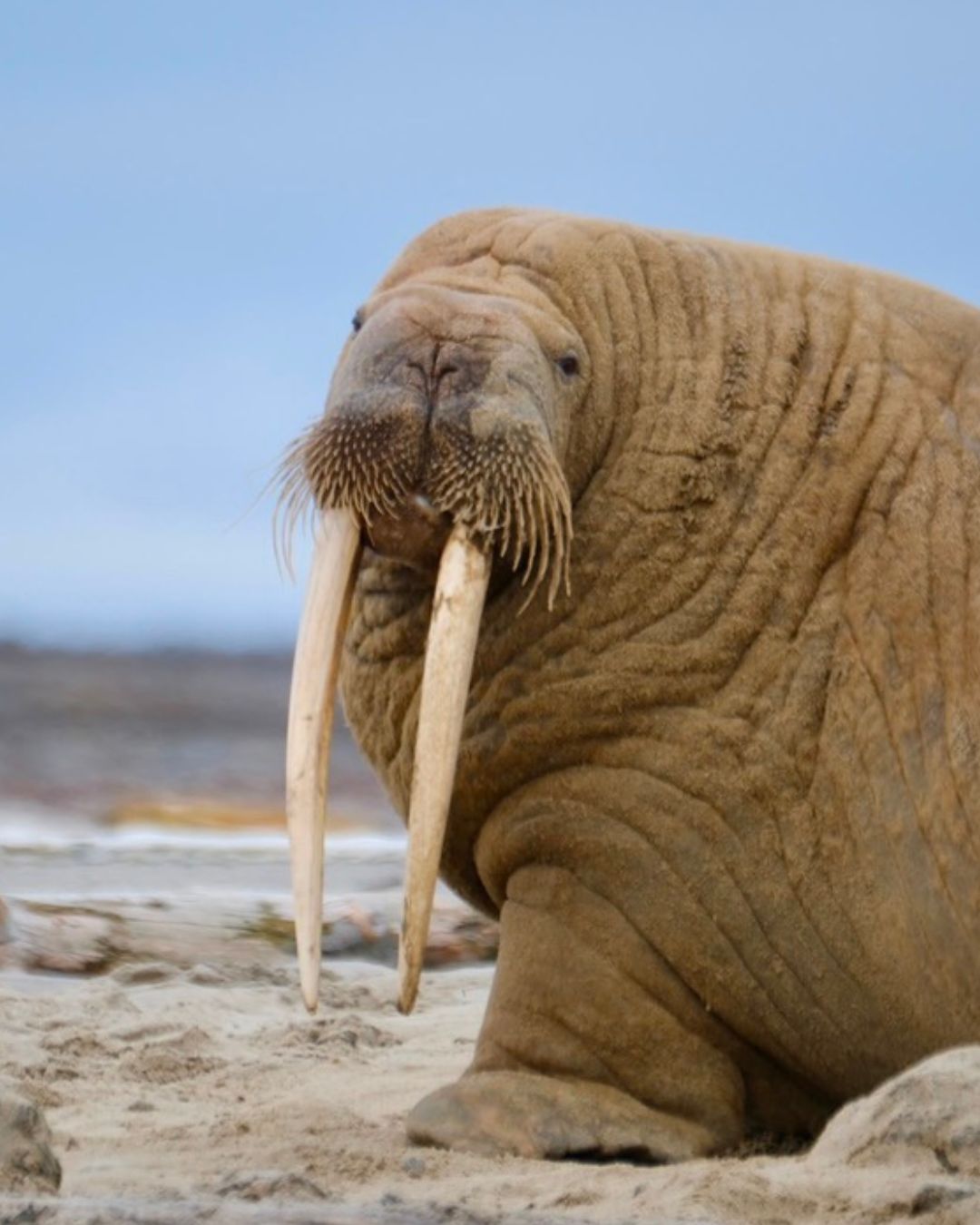
Polar bears – technically marine mammals – have evolved to live on top of that frozen ocean. They rely on sea ice to travel, to hunt, to breed, and sometimes to den. Its disappearance is, without much competition, the single greatest threat they face.
The NGO Polar Bears International has spent 24 years working across Canada and Svalbard, and formerly Russia, on exactly this problem — vital research, education, tools to reduce human-wildlife conflict, and conveying a global message about the impact of climate change in these regions.
Hope, at 79 Degrees North
Aboard ship, the fragility of this was, for long stretches, eclipsed simply by its scale and beauty. On our final day we met the director of the local research station and heard about some remarkable scientific studies that are underway. In this remote, otherworldly place, important discoveries are being made.
This, I think, is among the most important places left to see, to feel, and to learn from, not least because in its raw, powerful beauty it recovers something most of us have long since misplaced: a childish, unguarded sense of awe at the natural world.
Will I be overwintering in a trapper’s hut any time soon? Unlikely. But next time I am wedged onto a crowded tube carriage in London, I will close my eyes and transport myself right back here.
Ready for your own intrepid expedition?
Get in touch with our team on 020 3544 8137 or connect@journeyswithpurpose.org.