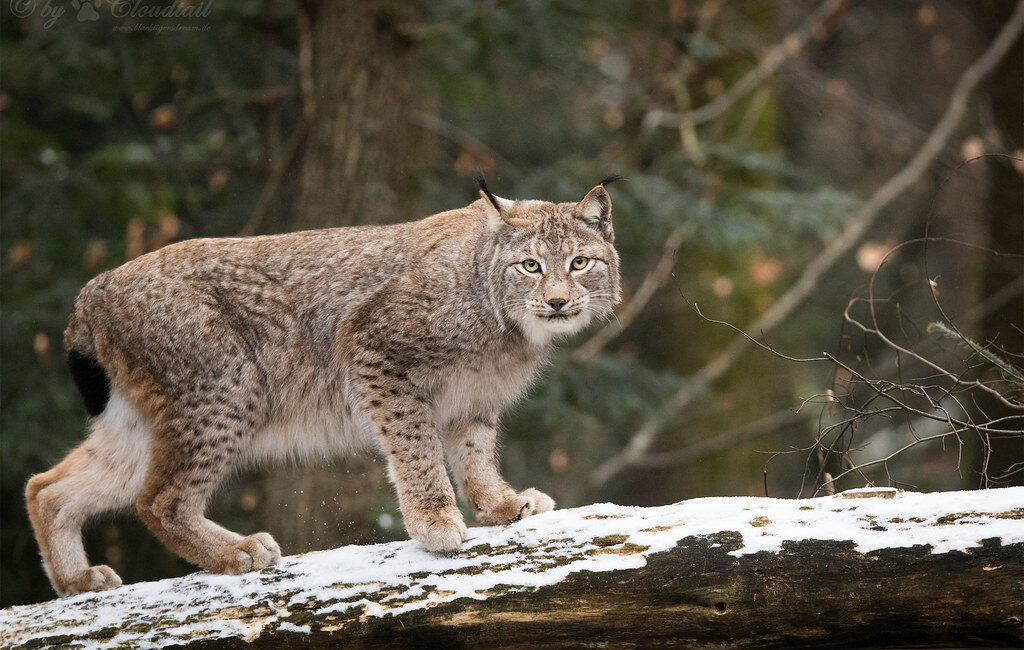
Home to many flagship species of fauna including wolf, bear and lynx, not to mention over 3,700 plant species, Romania hosts some of the richest biodiversity on the continent, most of which is endemic to the region.
These vast landscapes are under threat from anthropogenic activity including illegal logging, hunting, and poaching. That is why the work of our partners, Foundation Conservation Carpathia is so vital – they are the guardians of the Romanian wilderness.
We are delighted to offer our guests unparalleled access to the work of FCC, and the brilliant minds behind it would are championing the protection, conservation and restoration of the Făgăraș Mountains.
The Journey
You will arrive at Sibiu and be transferred through the leafy landscape to the Cobor Biodiversity Farm – a very special site where community and conservation go hand in hand, sustaining the livelihoods and landscapes of these wild places. This evening, you will be met by Christoph and Barbara Promberger who have led FCC from its inception, and Isabella Tree and Sir Charlie Burrell, President of FCC.
Your first day will give you access to the work completed at the Cobor Biodiversity Farm, before you travel to Equus Silvania to walk through the stunning wildflower meadows where you will see incredible native plantlife including stunning orchids.
Spending time walking through the forests, you will be able to witness the conservation and restoration efforts of FCC first hand, as well as visiting their newly created beaver reintroduction project. This night will be spent at a beautifully renovated, rustic shepherd’s hut to give you an experience of traditional Romania with a luxurious twist.
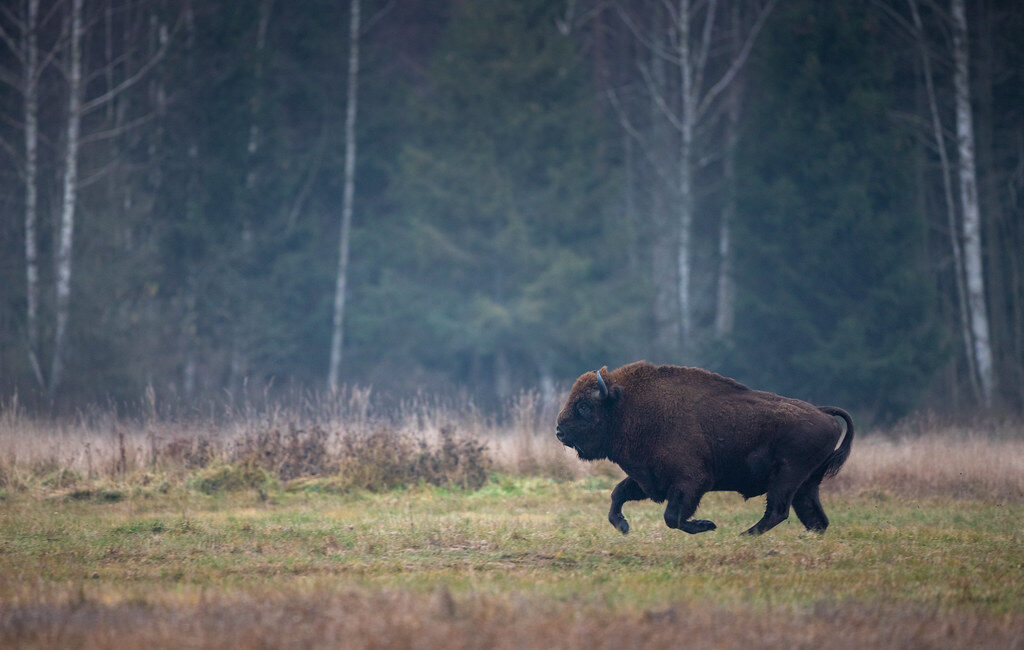
The next morning will be spent walking through ancient spruce woodland, where with some luck you will see some of the charismatic wildlife endemic to Romania such as bison and capercaillie. In the afternoon, you will be taken by car to the picturesque village of Nucsoara where you will spend the night in a four-star guesthouse.
Nucsoara is famous for its beech forests, to which you will pay a visit this morning. In the afternoon you will be guided on a walk by the local mountain rescue team, whose knowledge of these wild places is unrivalled. With their support you will traverse gorges and visit 11 cascades, surrounded all the while with totally virgin forest, before returning to your guesthouse accommodation.
This day will be spent visiting the largest clear-cut area of land in the Făgăraș Mountains, Groapele. Here you will learn about the struggles and successes of FCC’s restoration efforts, and walk through the hilly landscapes with impressive rock formations and virgin forests. With luck, you will be able to spot the nesting population of peregrine falcons resident to the area. In the evening you will transfer via the scenic Transfagaras road to Sibiu, once the cultural capital of Europe.
Your final day will be spent soaking up the culture of Sibiu, from galleries to incredible architecture your local historian will bring this Transylvanian city’s medieval history come alive.
JOIN THE JOURNEY

Join the journey, taking place between 24th June – 2nd July 2023, to engage with this remarkable rewilding initiative to create the Yellowstone of Europe, hosted by Christoph and Barbara Promberger.
DIG A LITTLE DEEPER
December 2022 Monthly Report – Foundation Conservation Carpathia (FCC)
In the press – Conservation Carpathia partners with Germany’s largest national park
Watch – Wild Horizons series, Christoph & Barbara Promberger in conversation with Isabella Tree