Classrooms teach us facts. The world teaches us context.
Long before learning was confined to institutions, it happened through movement. Through walking new landscapes, listening to unfamiliar languages, observing how other people live and adapting to environments beyond our own. In this sense, educational travel has always been one of humanity’s oldest means of broadening horizons and learning new skills. Not through information delivered, but as experience lived.
At Journeys With Purpose, we believe travel as education is not a metaphor. It is a framework for understanding how people learn, grow and change when they step beyond their everyday ecosystems and into the wider world.
Learning Beyond the Classroom
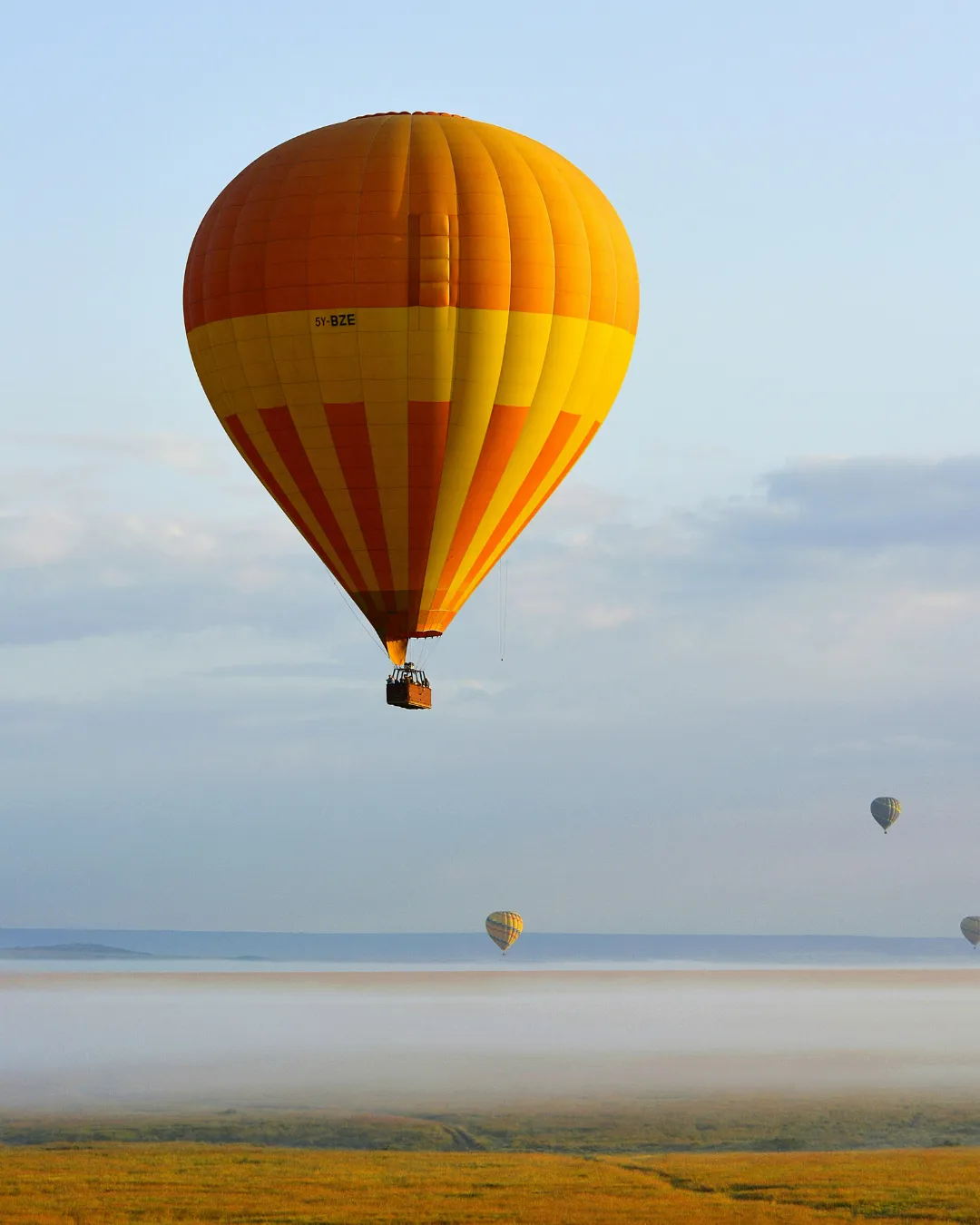
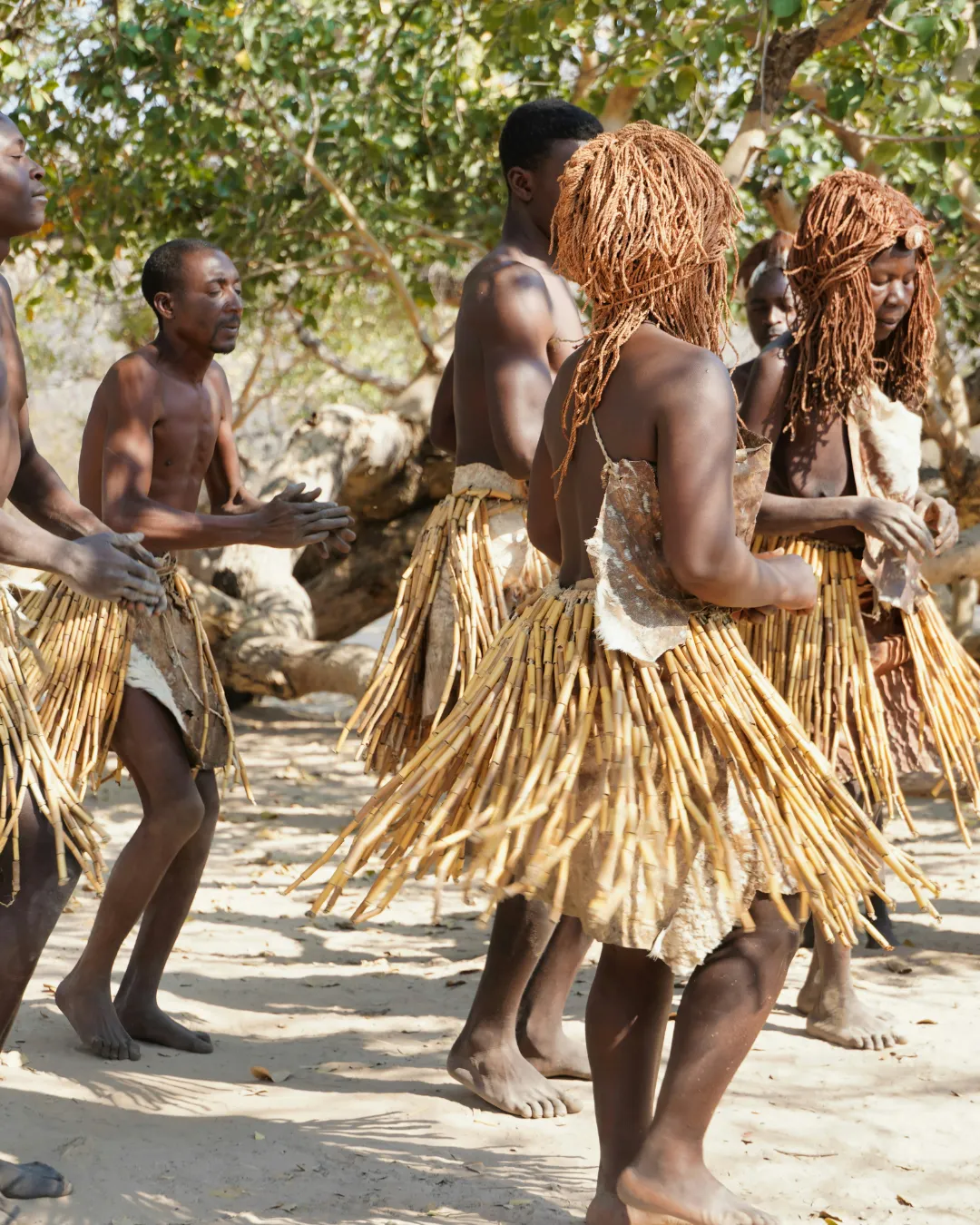
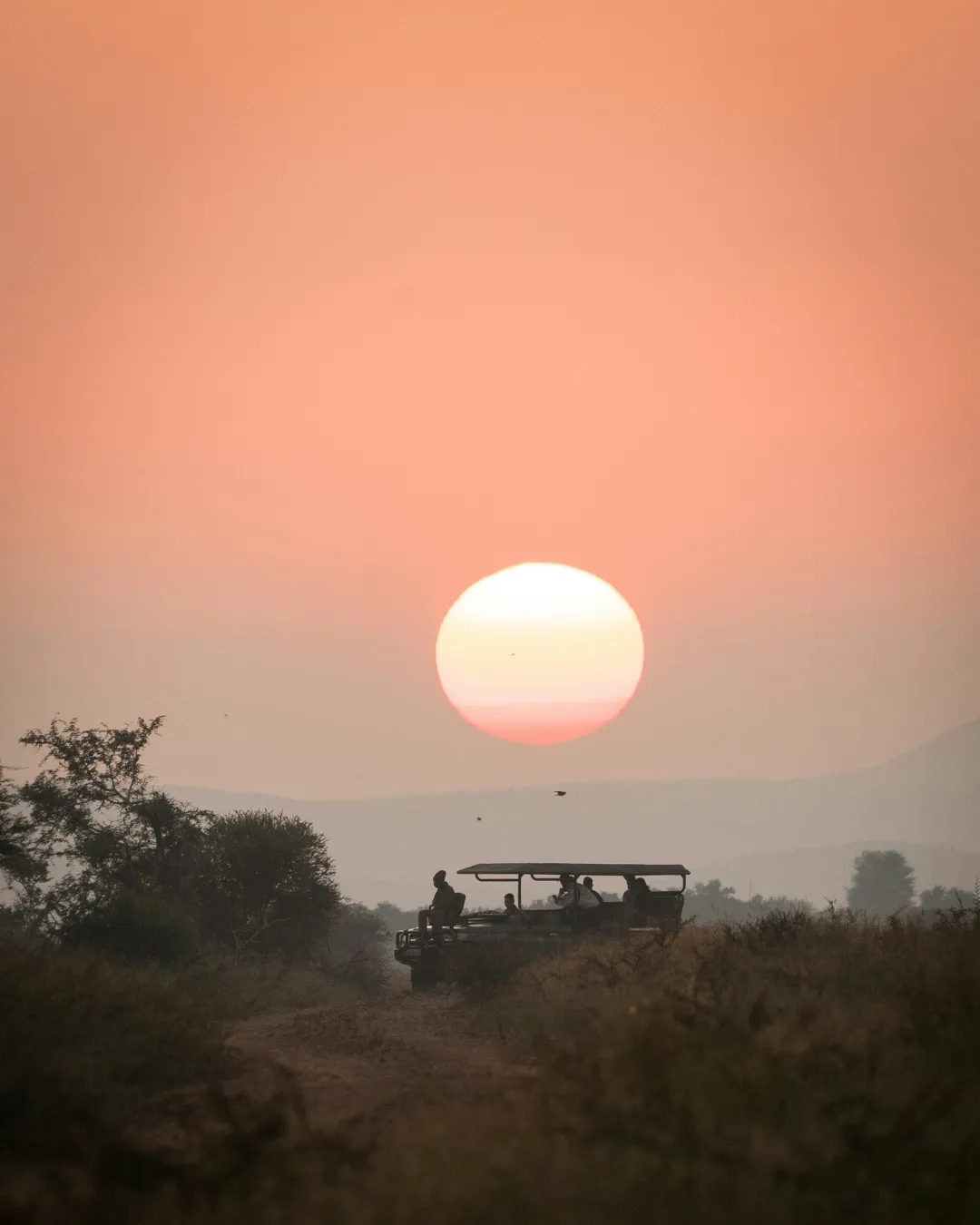
There are certain things that cannot be taught through textbooks alone. How ecosystems function as living systems. How culture is shaped by geography. How history is held not only in archives, but in landscapes, languages and traditions that continue to evolve.
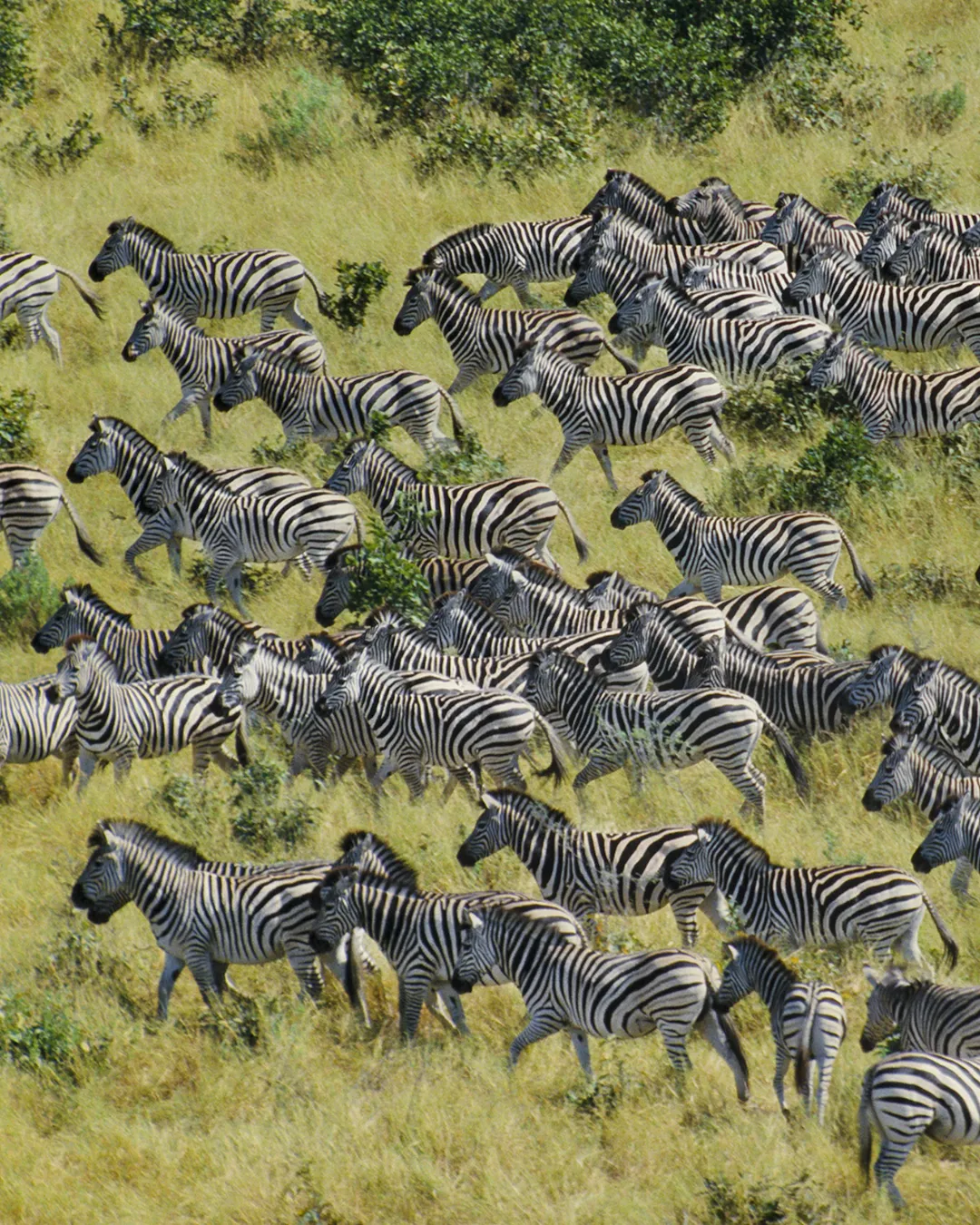
These are the kinds of insights that emerge through educational and purposeful travel experiences. Not through passive observation, but through immersion. Sitting with conservationists protecting endangered habitats, from the plains of South Africa to the marine ecosystems of Costa Rica. Walking ancient trade routes with local guides. Sharing meals with families whose daily realities are shaped by different histories, climates and values.
This form of learning is slow, sensory and relational. It involves all the senses and often challenges assumptions we did not realise we were carrying. It does not deliver answers so much as it reshapes the questions.
The World as a Living Classroom
When we treat the world as a classroom, the curriculum becomes endlessly rich.
A rainforest teaches interdependence. A coral reef reveals fragility and resilience in equal measure. A mountain range demonstrates scale, time and the limits of human control. A rural village offers lessons in community, adaptation and shared responsibility.
These environments are not abstract concepts. They are living systems that invite participation rather than spectatorship. Through travel as education, learning becomes embodied. You feel humidity before you understand tropical climates. You experience altitude before you read about thin air. You witness conservation not as policy, but as daily effort.
In many cases, these experiences offer a deeper understanding of how the world works than any formal syllabus could provide.
Educational Travel Experiences That Shape Perspective
The most powerful educational travel experiences are not defined by how much you see, but by how deeply you engage.
This might mean travelling alongside scientists monitoring wildlife populations, learning how data is gathered and interpreted in the field. It might mean staying in communities where tourism directly supports education, healthcare or conservation initiatives. It might mean learning traditional ecological knowledge from Indigenous custodians whose relationship with land stretches back generations.
In these contexts, travel becomes a form of inquiry. A way of understanding complexity, uncertainty and interconnection. You begin to see that environmental issues are never purely ecological, and cultural traditions are never purely historical. Everything exists within systems of relationship.
This is learning that stays with you, because it is felt rather than memorised.
From Consumption to Curiosity
Much of modern travel is still shaped by consumption. Destinations are reduced to highlights. Cultures are framed as attractions. Nature becomes a backdrop for experience rather than a subject of understanding.
Travel as education offers an alternative. It replaces consumption with curiosity. It asks not only where we go, but how we go, who we learn from and what kind of relationships we form along the way.
This shift changes the role of the traveller. You are no longer just a visitor moving through places, but a participant in stories that are already unfolding. You begin to recognise that every landscape has its own rhythms, challenges and forms of knowledge.
And crucially, you realise that learning is not something that happens to you. It is something you actively co-create through attention, openness and care.
Why This Matters Now
At a time when the world faces overlapping ecological, social and cultural challenges, the way we learn matters.
We are placing unprecedented pressure on natural systems, while often remaining disconnected from the very environments that sustain us. Many people understand climate change, biodiversity loss or social inequality in theory, but rarely encounter these realities in lived, relational ways.
Educational travel experiences bridge this gap. They turn global issues into local stories. They transform abstract data into human encounters. They make complexity visible and responsibility tangible.
Through travel as education, people do not just learn about the world. They learn their place within it.

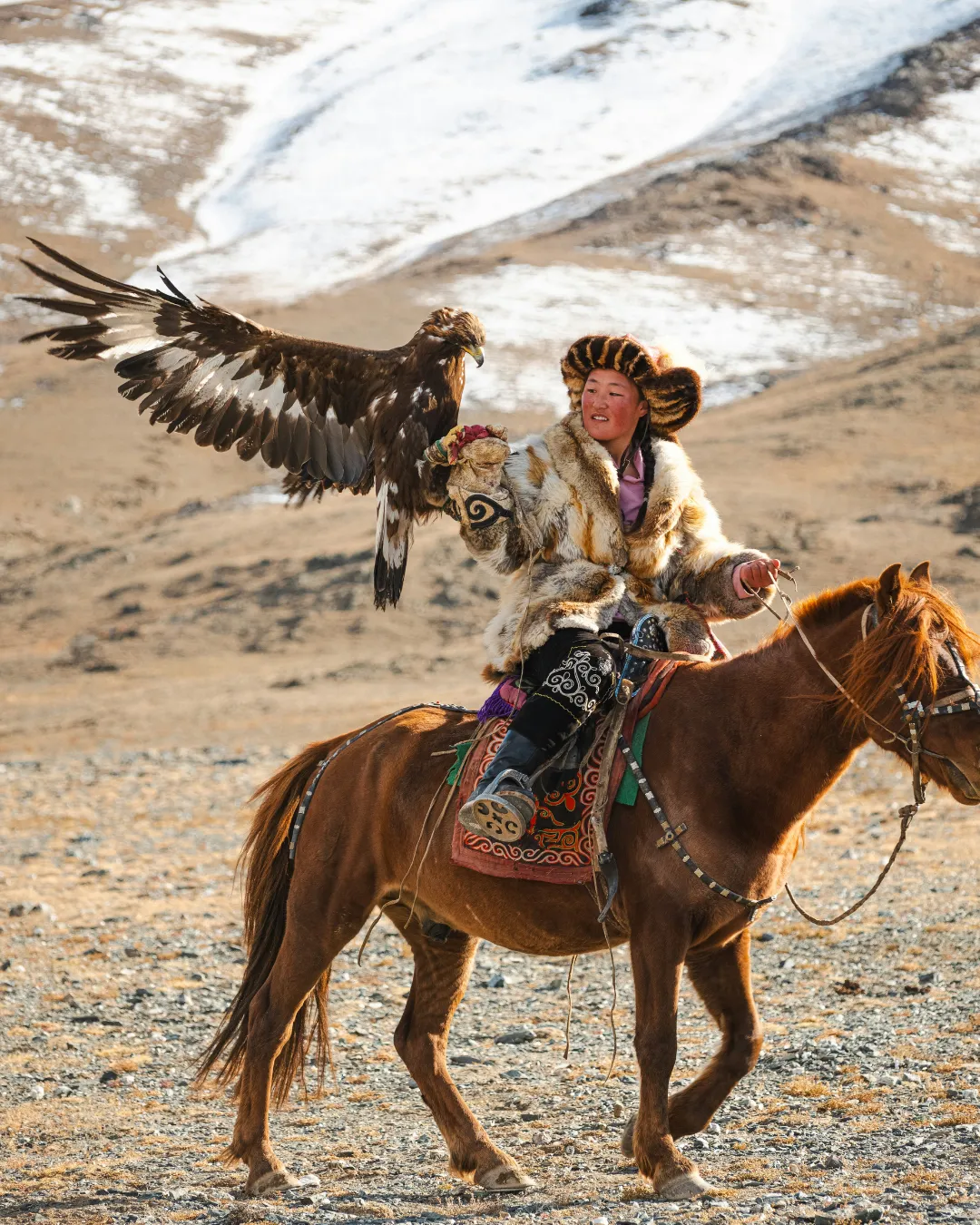
Journeys With Purpose: Curating Learning Through Experience
At Journeys With Purpose, our role is not to deliver itineraries. It is to curate learning environments.
Every journey is designed around access, knowledge and connection. Access to places and people rarely encountered through conventional tourism. Knowledge grounded in first-hand experience and expert insight. Connection built through genuine relationships with communities, conservationists, scientists and local guides.
Whether travelling through rewilding landscapes in Europe, diving alongside marine researchers in Indonesia or walking with Indigenous trackers in Africa, each journey is an invitation to learn differently.
Not through lectures, but through lived experience. Not through extraction, but through exchange. Not through certainty, but through curiosity.
The Long-Term Impact of Educational Travel Experiences
The most meaningful outcomes of travel as education are often invisible at first.
They appear later, in the way people make decisions, engage with the world and understand their own responsibilities. In the questions they ask. In the causes they support. In the way they talk to their children about nature, culture and the future.
Educational travel experiences do not aim to produce experts. They cultivate perspective. They nurture empathy. They remind us that knowledge is not static, and that learning does not end when the journey does.
In this sense, the world remains the greatest teacher not because it has all the answers, but because it continues to ask the most important questions.
And travel, when done with intention, remains one of the most powerful ways we have to listen.
And perhaps that is the true power of travel as education. It does not seek to impress, but to awaken. To remind us that learning is not something confined to certain stages of life or certain places, but a lifelong relationship with the world around us.
If you are curious to explore your own educational travel experiences, our journeys are designed to place learning, connection and purpose at the heart of every destination. From conservation-led expeditions to cultural immersions and family adventures, each experience offers a different way of understanding the world and your place within it.
Explore our destinations, or get in touch with our team to begin shaping a journey that teaches as much as it inspires.
Where will your curiosity take you?
Get in touch with our expert travel team today on 020 3544 8137 or connect@journeyswithpurpose.org to begin creating your dream trip.