Rewilding Travel ADVENTURES

Rewilding Travel with purpose

Engage firsthand with the world’s most remarkable landscapes where pioneering conservation efforts are recovering their natural state. Walk-the-walk alongside expert ecologists, conservationists, and local communities who are restoring ecosystems, reintroducing keystone species, and protecting biodiversity for future generations.

Whether tracking wolves in the Iberian Peninsula, witnessing bison roam the Carpathian forests, or exploring marine sanctuaries where coral reefs are rebounding, these immersive experiences connect you to the heart of rewilding in action.

Designed for those who seek more than just adventure, our trips offer the chance to learn, engage, and contribute to nature’s recovery.
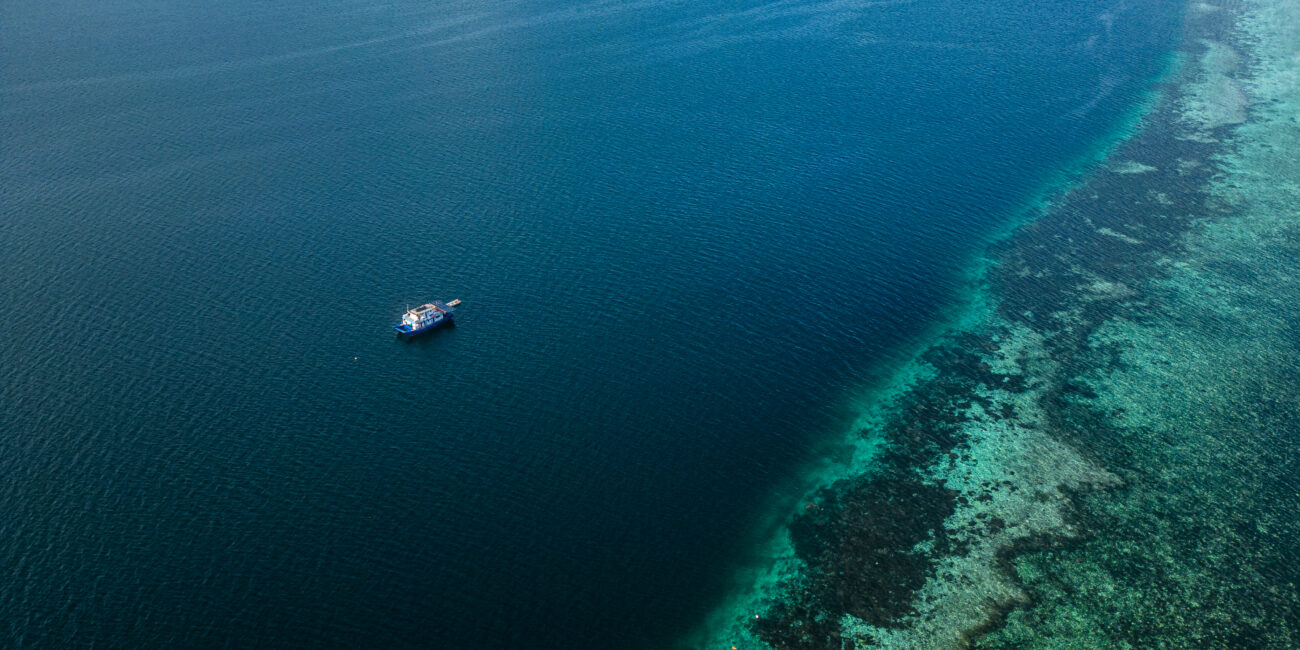
Rewilding trips are journeys back to the heart of nature, where we step into landscapes unmarked by time and restore the delicate rhythms of the earth. In embracing the wild, we not only heal the land but awaken a deeper connection within ourselves.

Our favourite destinations for rewilding journeys

Argentina​

Brazil​

Costa Rica​

Scotland​

sOUTH aFRICA

Stories from the wild

The SEA People Boat Raja Ampat JWP

In Conversation With Lynn Lawrance: Restoring Reefs, Reclaiming Agency in Raja Ampat

In Raja Ampat, marine conservation is not just about restoring reefs, but restoring agency. In this conversation with Lynn Lawrance, co-founder of The SEA People, we explore community-led conservation, the realities behind rapid tourism growth, and what it truly means to protect the ocean while empowering the people who depend on it.
Isla Secas Panama JWP

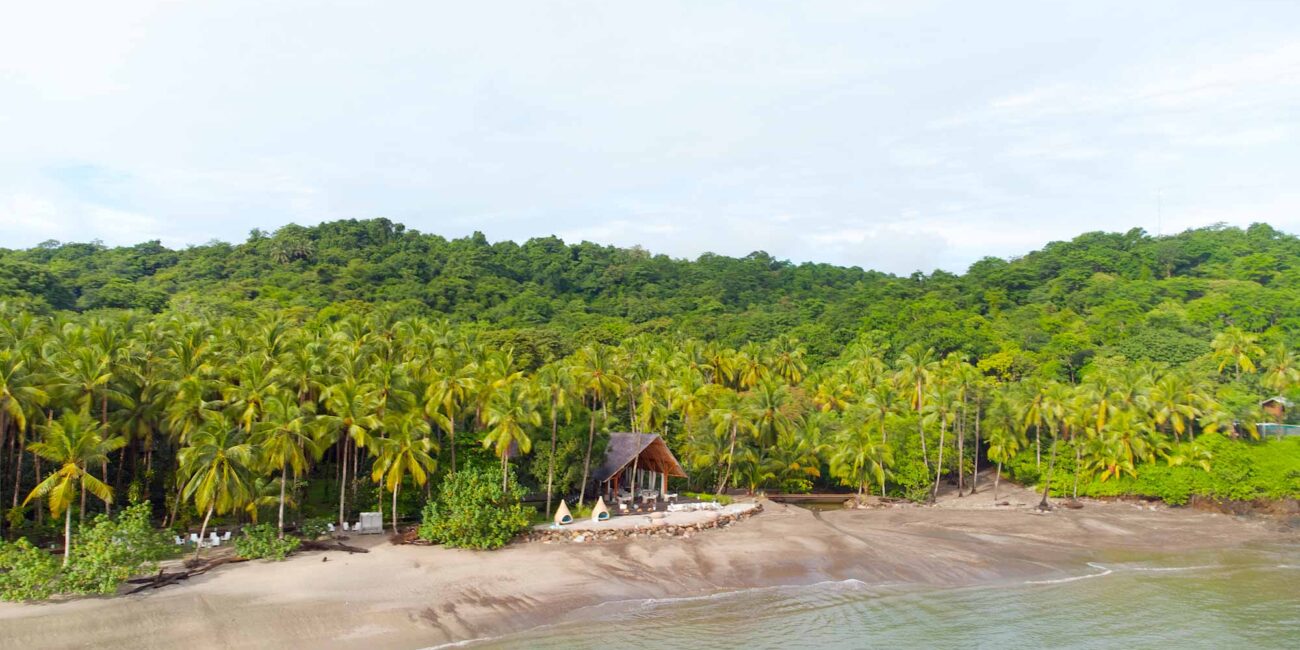
Isla Secas, Panama: A Conservation Sanctuary in the Gulf of Chiriquí

Discover Isla Secas, a remote eco-retreat in Panama’s Gulf of Chiriquí where conservation, marine wildlife and barefoot luxury converge. From humpback whale migrations to vibrant coral reefs and rainforest biodiversity, this journey explores one of the Eastern Tropical Pacific’s most vital ecosystems and a powerful model for regenerative travel.

Travel as Education: Why the World is the Greatest Teacher

Educational travel remains one of the most powerful ways to learn, not through textbooks, but through lived experience. From conservation landscapes to cultural immersion, travel becomes a framework for understanding ecosystems, communities and our place within them. Discover how purposeful journeys foster curiosity, empathy and long-term perspective, transforming travel into a meaningful form of lifelong education.
Winter Scene Japan JWP

JAPOW ! ジャパウ!

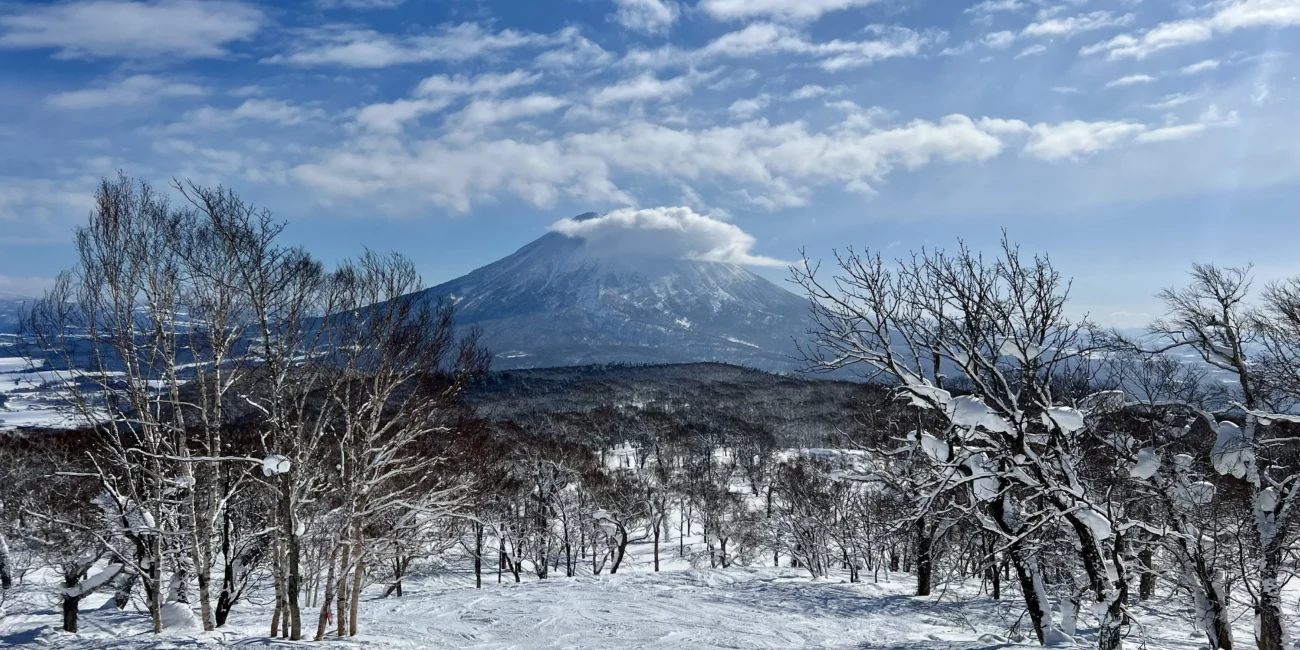
Japan is a land of harmonious dualities, ancient and modern, disciplined and creative. In this journey from Tokyo to Hokkaido, Duncan Grossart explores Shinto shrines and samurai history before heading north in search of legendary Japow, the powder snow that defines Niseko. Beneath Mount Yōtei and among silent birch forests, the experience becomes more than skiing. It is immersion in nature, culture and climate, and a reminder that travel, at its best, reshapes perspective and deepens reverence.

Join a global community of conscious travellers.

Sign up to our monthly field report to discover extraordinary projects, remarkable stories, and transformative experiences in wild nature.

"*" indicates required fields

This field is for validation purposes and should be left unchanged.
This field is hidden when viewing the form

About Your Journey

This field is hidden when viewing the form

Tell us a bit about yourself

Which country are you from?*

At a Glance: Fundación
Rewilding Argentina

1,850,000

…acres (or 750,000 hectares) of land protected.

264,000,000

…metric tonnes of carbon dioxide equivalent sequestered.

370,658

…acres donated for new parkland creation.

OUR FOCUS - THE IBERÁ NATIONAL PARK:

This extraordinary wetland, the largest in Argentina, is home to 30% of the biodiversity in the country including endangered species such as the pampas and marsh deer, the maned wolf and grassland birds like the strange-tailed tyrant.

In 2005, what was to become one of the largest rewilding programs in the Americas was started, with the goal of restoring keystone species that had been extirpated from Iberá through hunting and habitat loss and were extinct in the region, the Province or, in some cases, the country. 

As the rewilding program developed, the cultural identity of Iberá began to recover alongside the ecosystems and natural processes, impacting a total population of 100,000 people who surround the park.

Today, Iberá stands as one of the world’s most successful ongoing conservation missions.