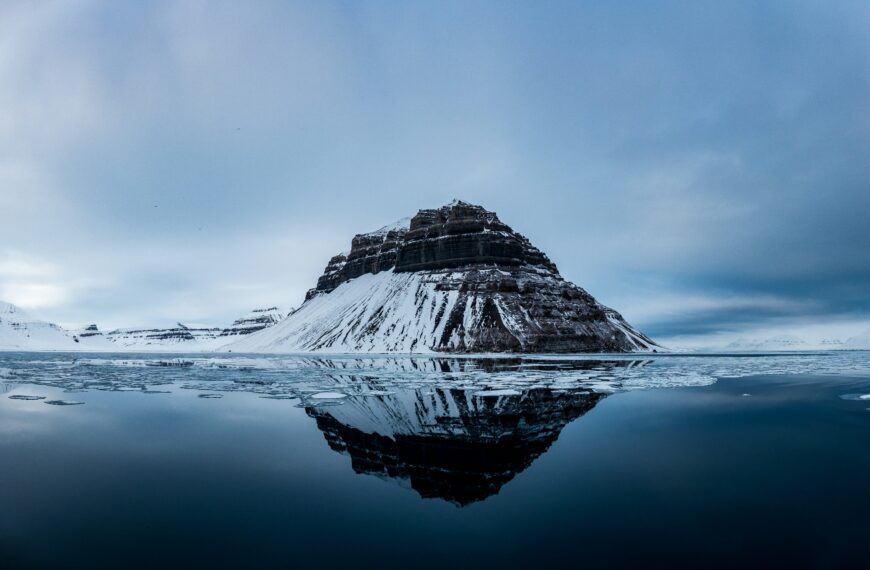
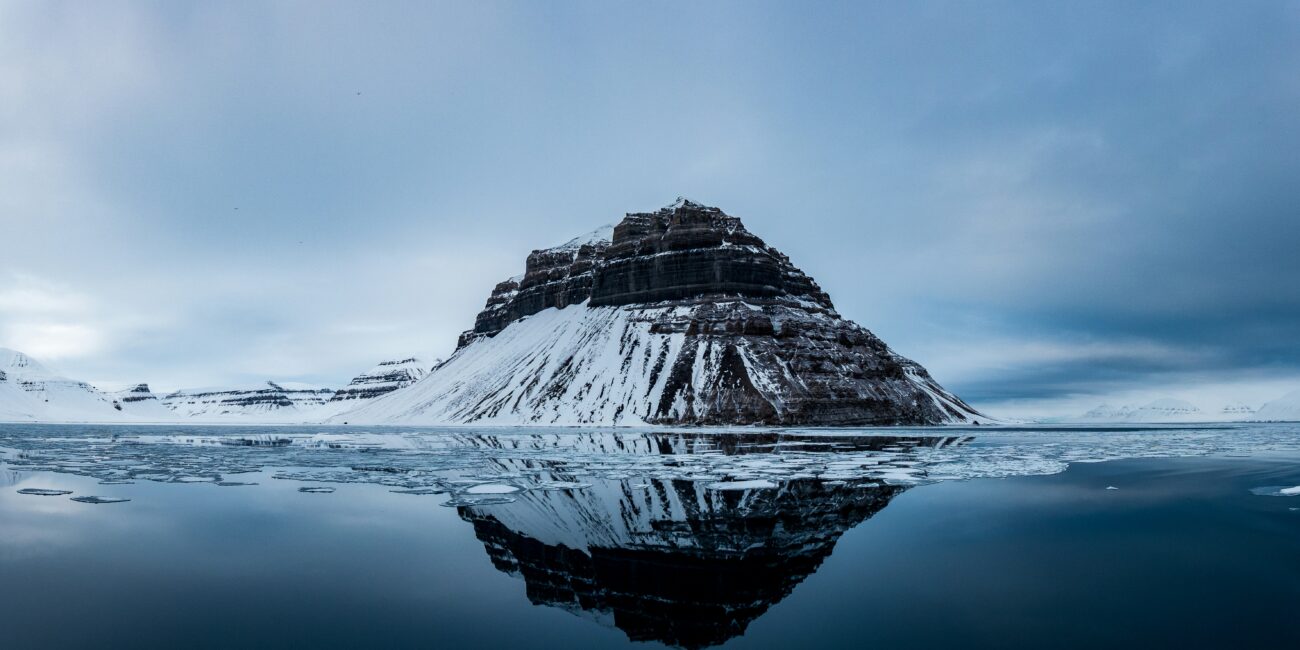
A field report from 79 degrees north, exploring the remote landscapes of Svalbard, encounters with polar bears and the people and science helping us understand a rapidly changing Arctic.
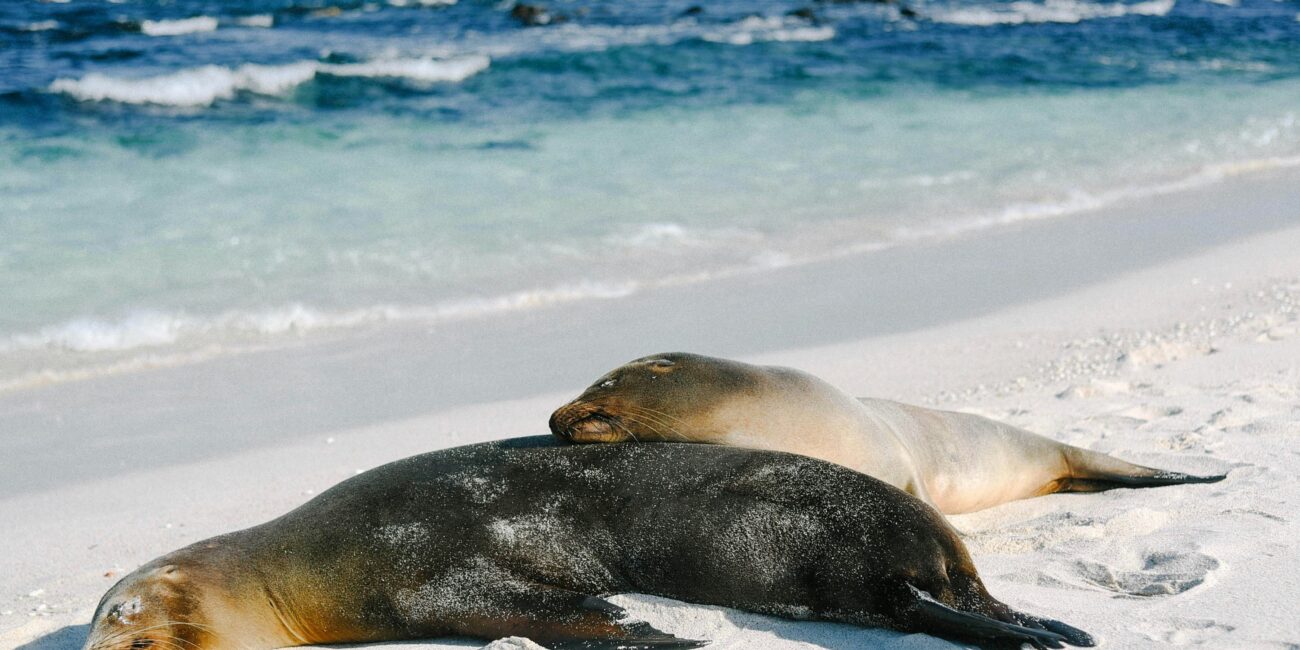
Living Alongside Nature: A Guide to Responsible Family Travel in the Galápagos
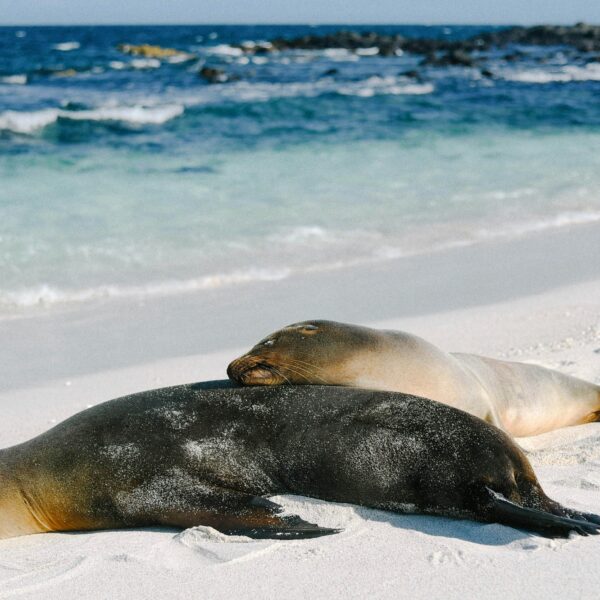
Discover how family travel in the Galápagos inspires true conservation. Explore eco-lodges, community projects and the power of living alongside nature.
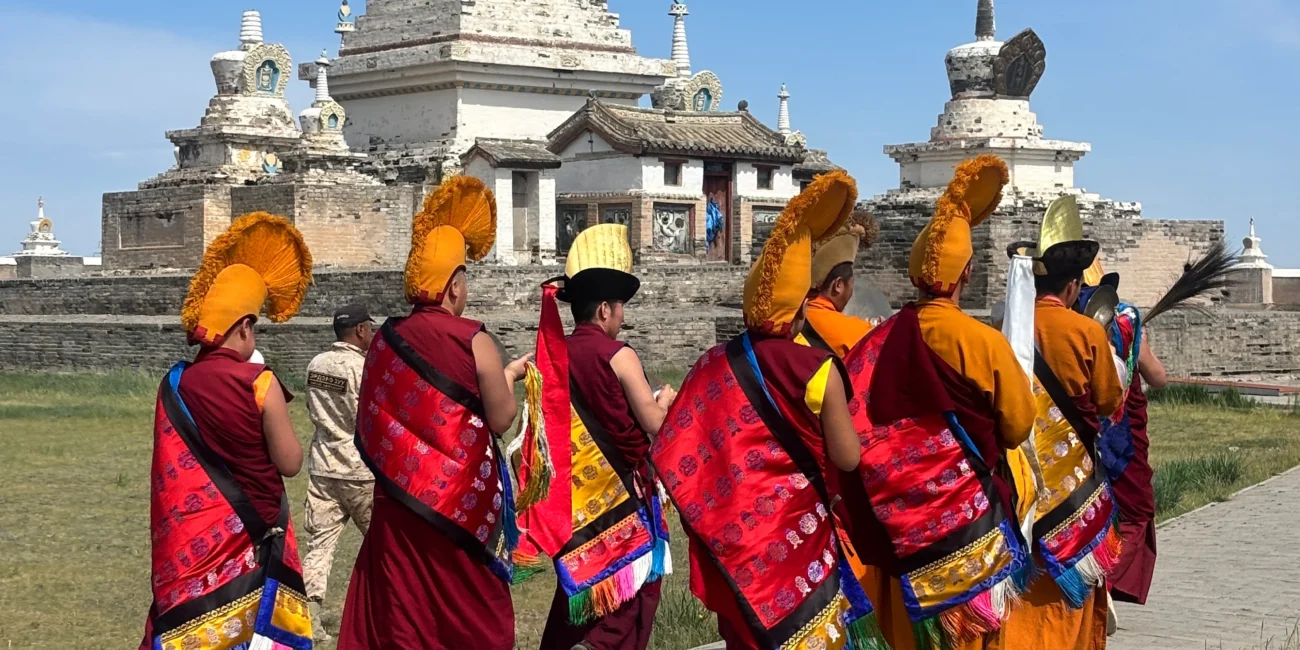
Guardians of the Great Steppe: Lessons from Mongolia’s Nomadic Herding Families
Mongolia is a land of vast horizons, ancient traditions and enduring resilience. Travelling from the sweeping grasslands of the steppe to remote mountain valleys, Katya Payne experiences life alongside nomadic herding families, discovering how their centuries-old knowledge is helping protect both culture and wilderness. More than an adventure, it is a reminder that the greatest lessons often come from those who have lived closest to nature all along.
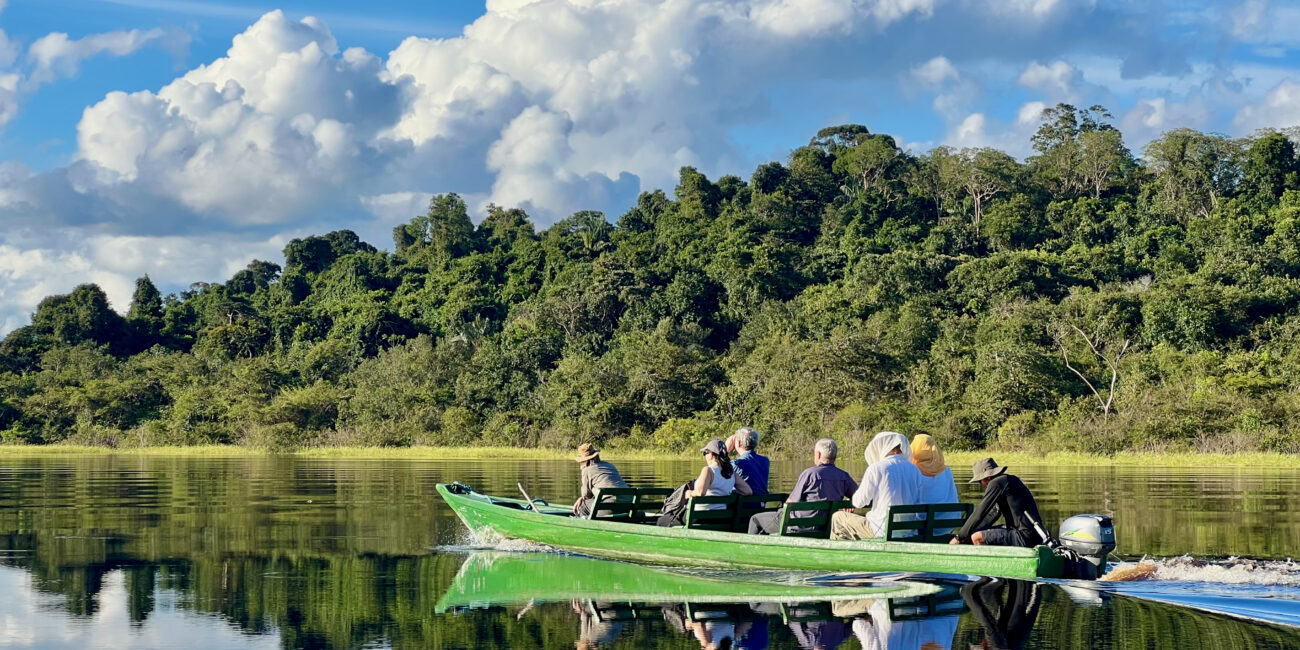
Inspired by the work of Sebastião Salgado and Dom Phillips, this journey through the Brazilian Amazon explores one of Earth’s last great wildernesses — its rivers, wildlife, Indigenous communities and the urgent fight to protect the forest on which all life depends.
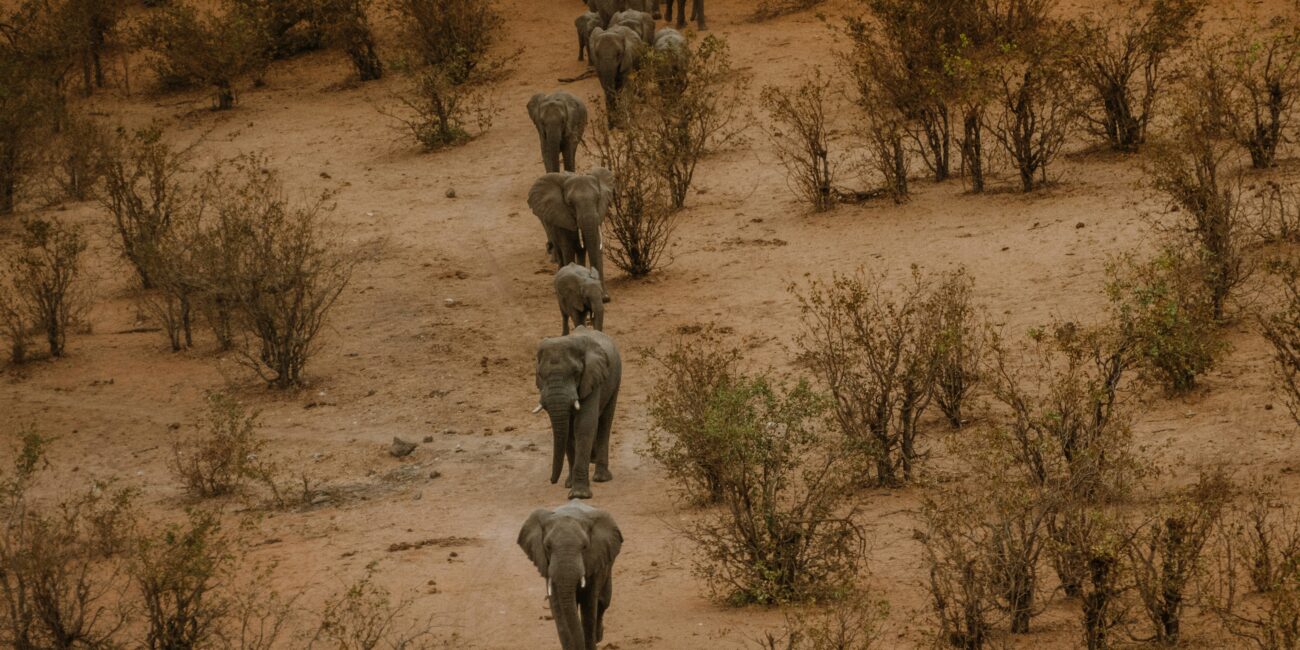
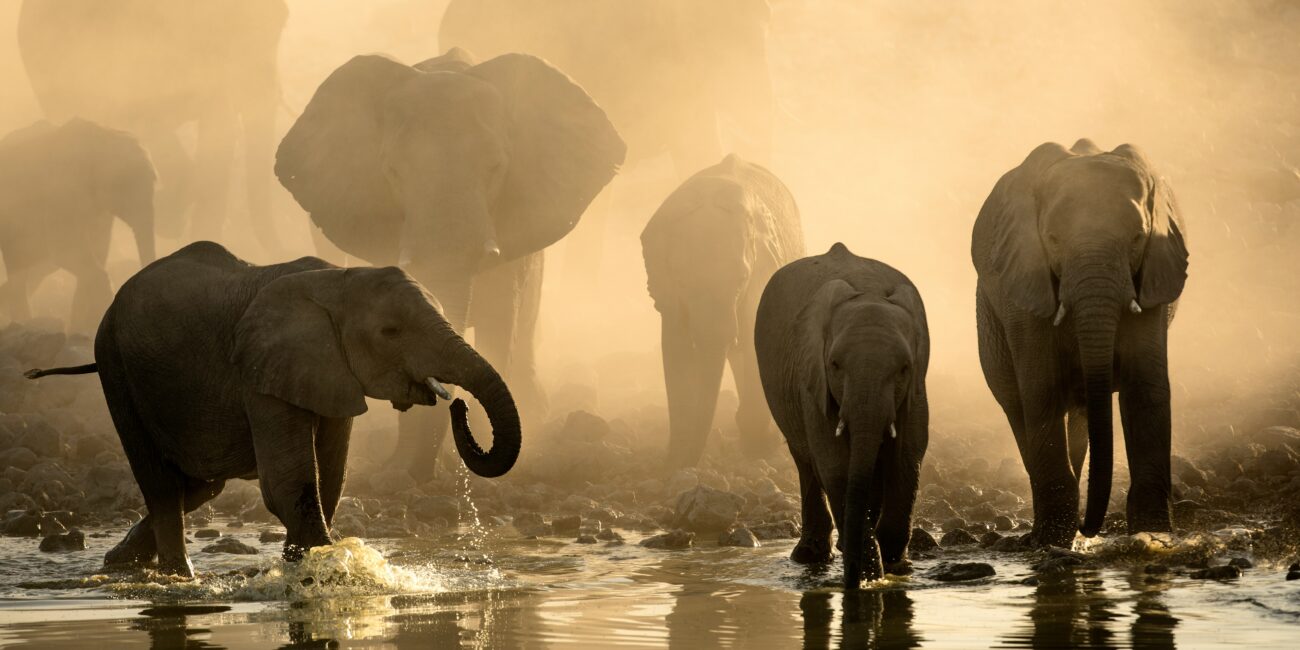
Discover the vast wilderness of Hwange National Park, Zimbabwe’s largest safari reserve and one of Africa’s premier wildlife destinations. From enormous elephant herds to diverse savannah landscapes, this iconic park offers unforgettable encounters with some of the continent’s most remarkable animals. Experience the raw beauty and adventure of true African safari.
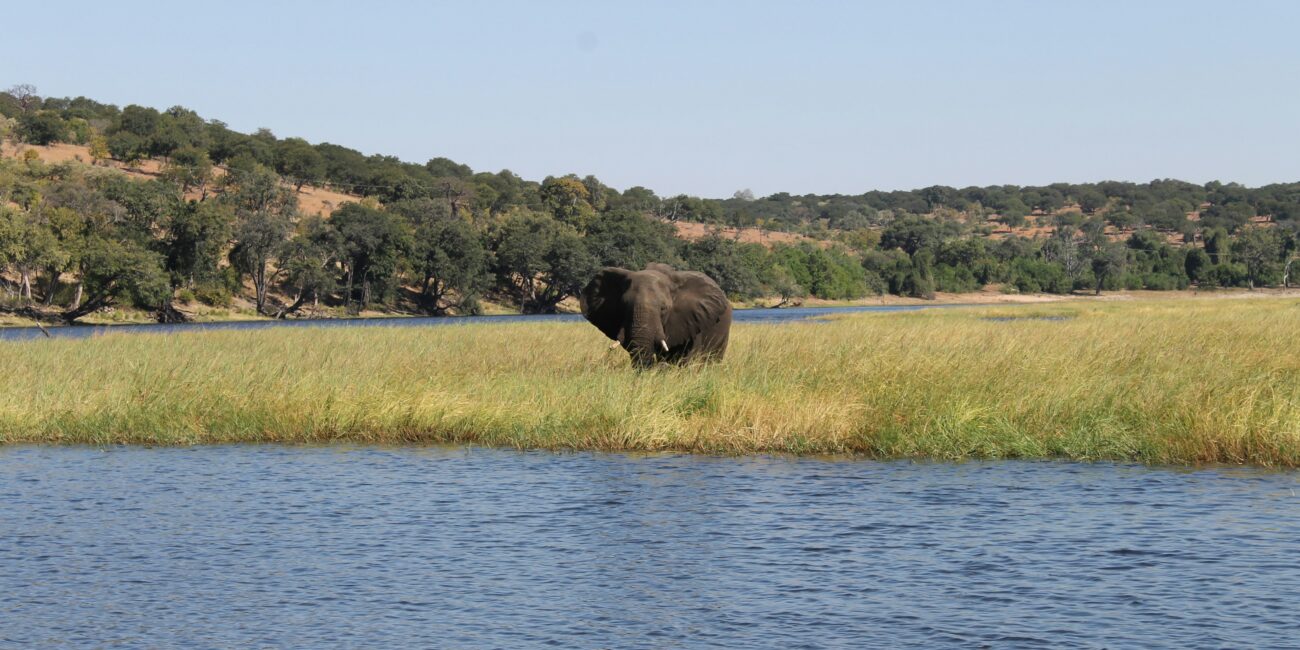
Set along the remote reaches of the Mana Pools National Park, this extraordinary wilderness is one of Africa’s most pristine safari destinations. Home to vast elephant herds, iconic river landscapes and exceptional walking safaris, the park offers a truly immersive escape into untamed nature. Discover a place where wildlife and wild beauty exist in perfect harmony.
Discover the remote beauty of Lower Zambezi National Park, a pristine wilderness where river, forest and savannah meet along the great Zambezi. Home to exceptional wildlife, intimate safari lodges and unforgettable boat and walking safaris, this hidden gem offers one of Africa’s most immersive safari experiences. Escape into a landscape where nature moves at its own timeless rhythm.
Rwanda Wildlife: The Highland Forests’ Most Fascinating Creatures
Nestled among Rwanda’s misty highlands lies a world of extraordinary wildlife, where rare primates, vibrant birdlife and ancient forests come together in breathtaking harmony. From mountain gorillas to monkeys, the country’s highland forests offer some of the most unforgettable wildlife encounters on Earth. Discover the beauty, mystery and conservation stories shaping Rwanda’s remarkable natural heritage.
Let our team of impact travel specialists craft a meaningful travel experience that goes beyond the ordinary – while leaving a positive impact on the people and places, in equal measure.
…metric tonnes of carbon dioxide equivalent sequestered.
370,658
…acres donated for new parkland creation.
OUR FOCUS - THE IBERÁ NATIONAL PARK:
This extraordinary wetland, the largest in Argentina, is home to 30% of the biodiversity in the country including endangered species such as the pampas and marsh deer, the maned wolf and grassland birds like the strange-tailed tyrant.
In 2005, what was to become one of the largest rewilding programs in the Americas was started, with the goal of restoring keystone species that had been extirpated from Iberá through hunting and habitat loss and were extinct in the region, the Province or, in some cases, the country.
As the rewilding program developed, the cultural identity of Iberá began to recover alongside the ecosystems and natural processes, impacting a total population of 100,000 people who surround the park.
Today, Iberá stands as one of the world’s most successful ongoing conservation missions.