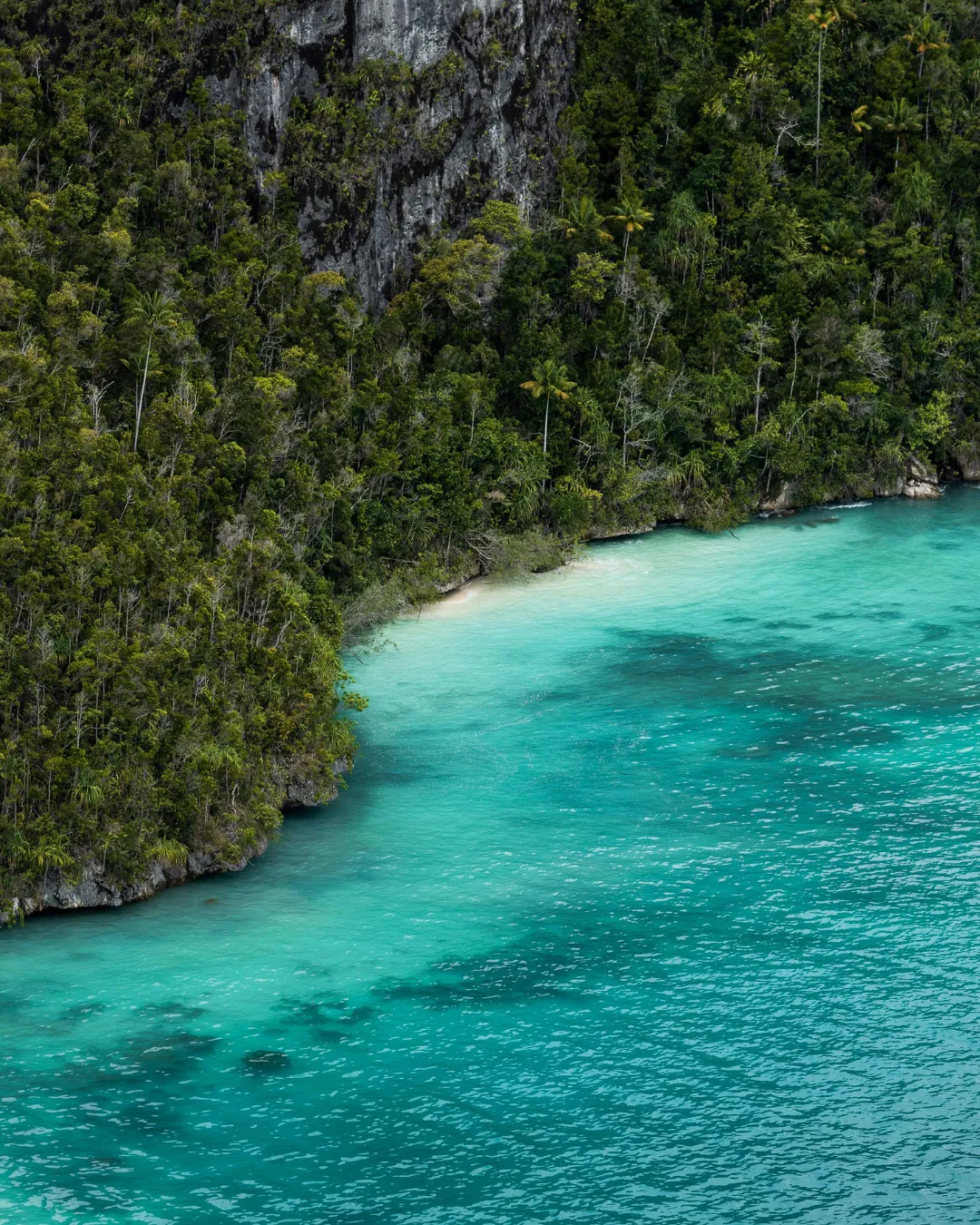
There is a tendency, in marine conservation, to begin with beauty.
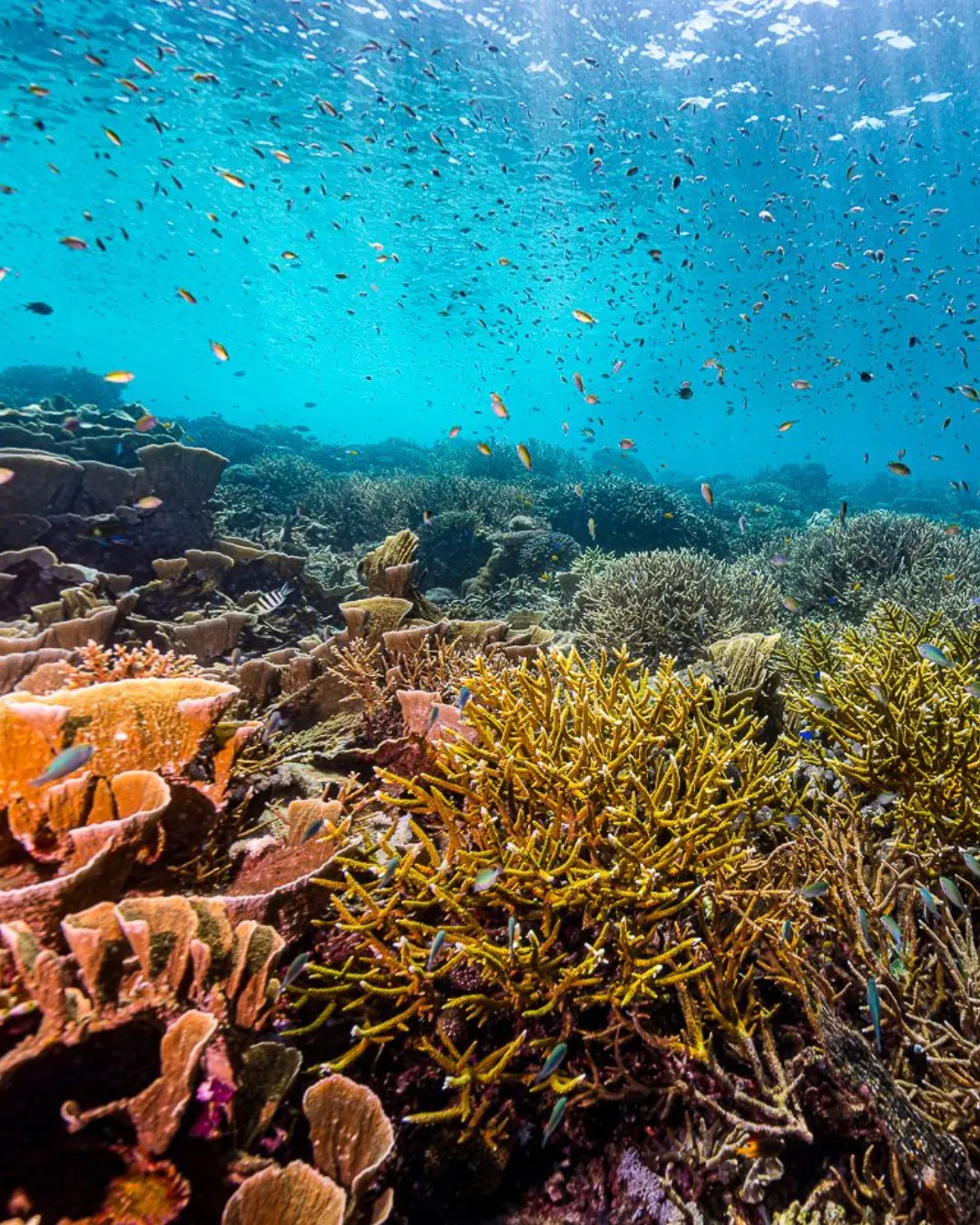
Coral gardens. Crystal water. Reef fish moving through shafts of light. The visual language of the ocean is seductive, and for good reason. It draws people in. But beauty alone rarely explains what is at stake, or who gets left behind when a place becomes valuable in the global imagination.
For Lynn Lawrance, co-founder of The SEA People, the real story begins elsewhere.
It begins with a question of agency.
Who gets to participate in conservation? Who gets to benefit from tourism? Who gets to decide what the future of a reef looks like? And in a place like Raja Ampat, one of the most biologically rich marine environments on Earth, those questions are no longer theoretical. They are urgent, lived and deeply entangled with livelihoods, identity and power.
As Journeys With Purpose marks Oceans & Coasts as our 2026 Pillar of Purpose, we sat down with Lynn Lawrance, co-founder of The SEA People, our impact partner based in Raja Ampat, Indonesia, to talk about community-led restoration, and what it means to build conservation with people, not simply around them.
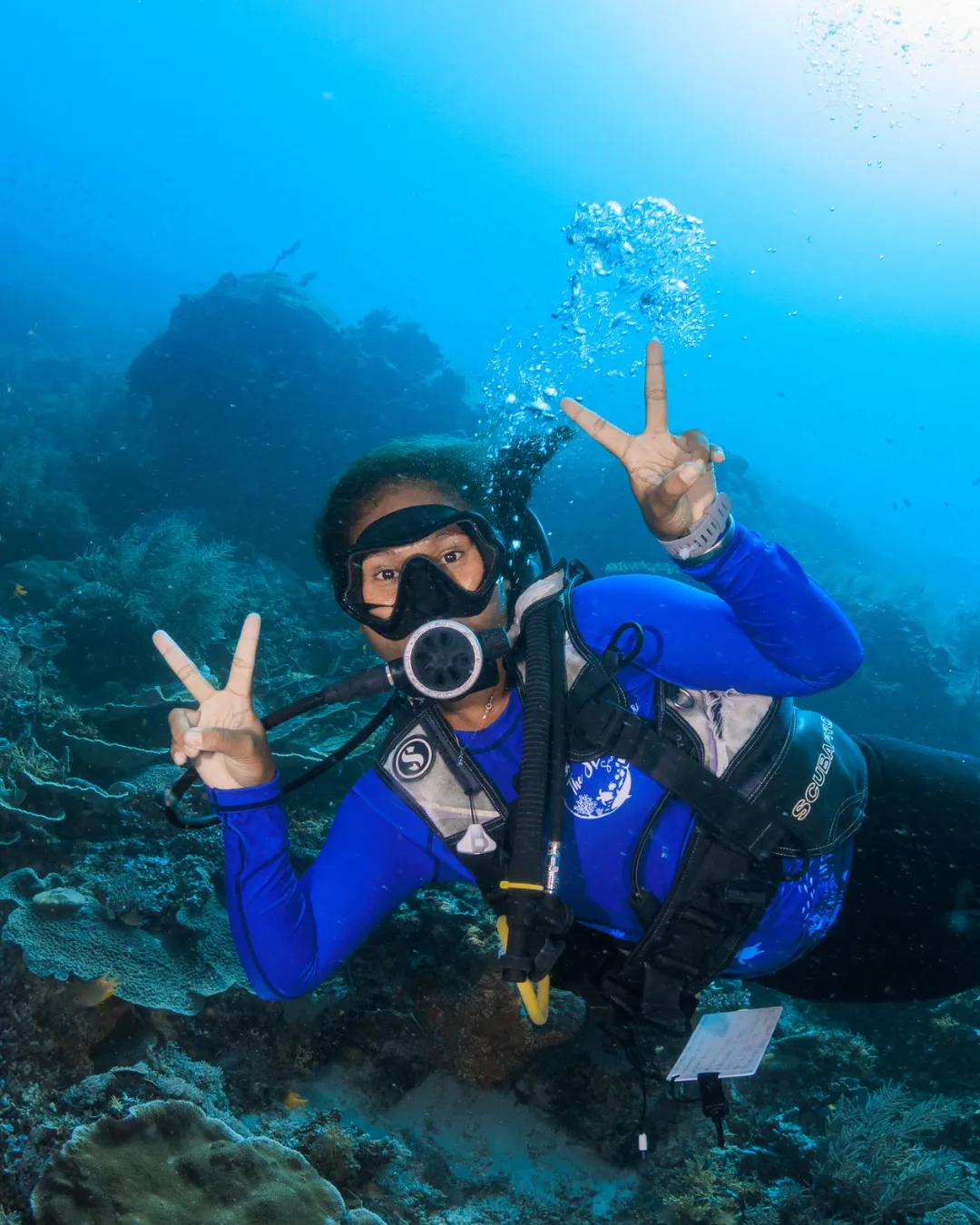
The sea as longing, and the sea as home
Lynn did not grow up on the coast. Her childhood was spent five hours inland in the flat, hot wheat country of southeast Victoria, Australia. The ocean belonged to another world, one reached only through annual family holidays and anticipated for months at a time.
Those early encounters stayed with her. Rock pools, salt air, seabirds, the strange life gathered in buckets on the shore. The sea felt both tangible and distant, familiar and unknowable.
When I asked her for her earliest memory of the ocean, she described those holidays not simply as breaks from routine, but as formative acts of attention. A place she returned to mentally long after leaving.
And when I asked for one word to describe the sea now, her answer came quickly.
Home.
Not in a literal sense, she laughed, but in a deeper one. A place of orientation. A place of feeling. A place that holds something essential.
That emotional logic runs through her work. The sea is not scenery. It is not a backdrop. It is not a passive resource. It is a living system that shapes human life as profoundly as human choices shape it.
Lynn traced this understanding back to a childhood conversation with her father, who loved nature deeply. Standing together by the sea, he told her that the condition of the ocean reflects our relationship with nature itself. If the sea is healthy, something in that relationship is working. If it is not, then something fundamental has broken.
“It was true then,” she said. “And it’s true now.”
Why Raja Ampat, and why this work
Lynn first came to Raja Ampat in search of extraordinary diving. At the time, she had taken an extended break and was looking for somewhere that still felt ecologically intact, somewhere less crowded, less mediated, less diminished than other dive destinations she had visited.
She found what she was looking for underwater. But she also encountered something else: a region where ecological abundance and social imbalance existed side by side.
When Lynn and her husband Arnaud, a marine ecologist, eventually co-founded The SEA People, they did so because they recognised two things at once. First, that the biodiversity of Raja Ampat is globally significant. And second, that local communities were being structurally sidelined within the tourism economy forming around it.
Outsiders were building profitable businesses around reefs, while many local people had little access to meaningful participation beyond low-paid, low-skilled roles. At the same time, the ecosystems underpinning those businesses were beginning to show strain.
That tension remains central to Lynn’s philosophy today.
“There are huge pressures on these communities,” she said, “that they didn’t create and often don’t control.”
Tourism is often presented as the benign alternative to more visibly extractive industries. But Lynn is careful not to romanticise it. Tourism, too, is a market. It follows demand. It scales quickly. And where governance is weak or uneven, it can outpace the ability of local communities to adapt, regulate or meaningfully benefit.
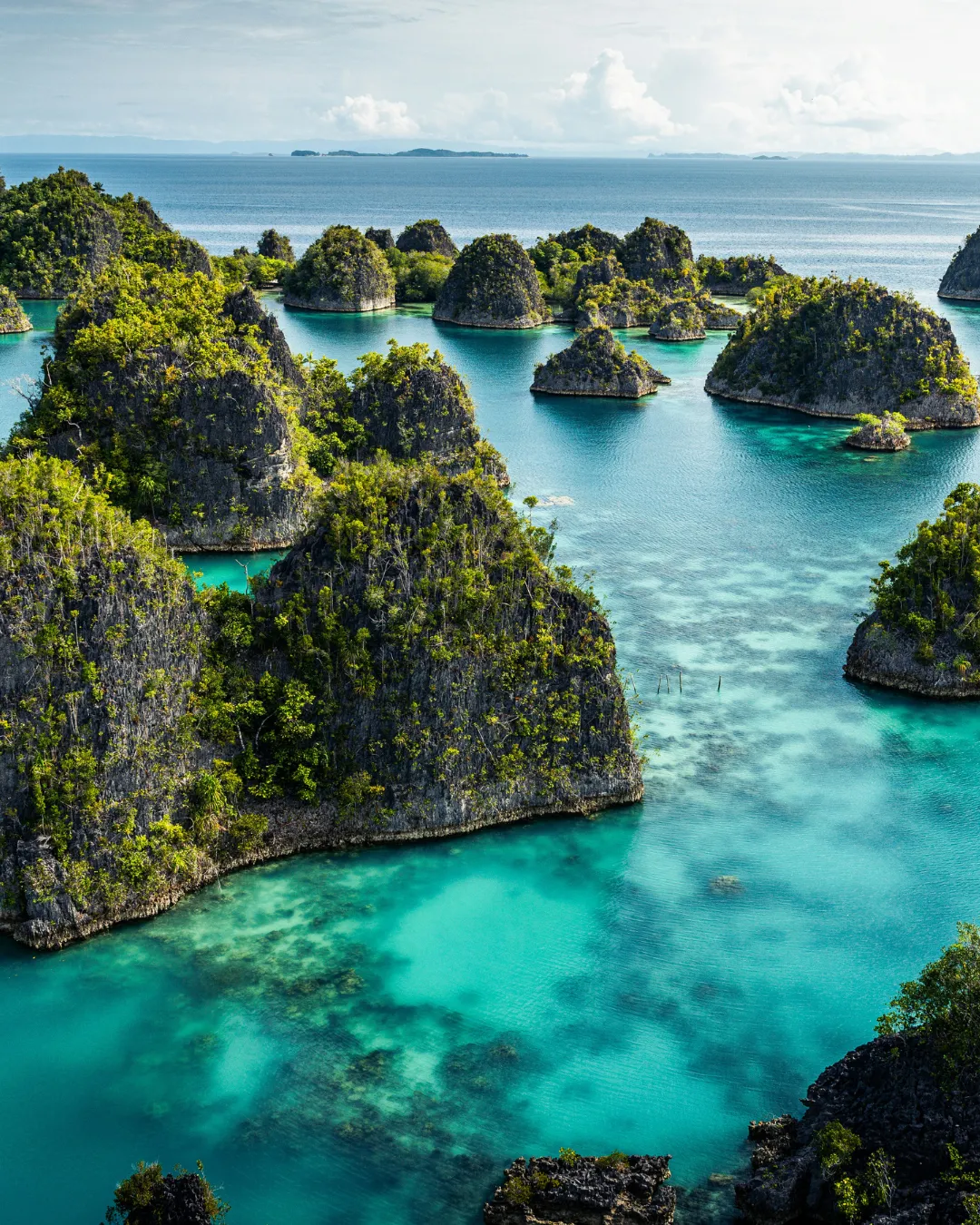
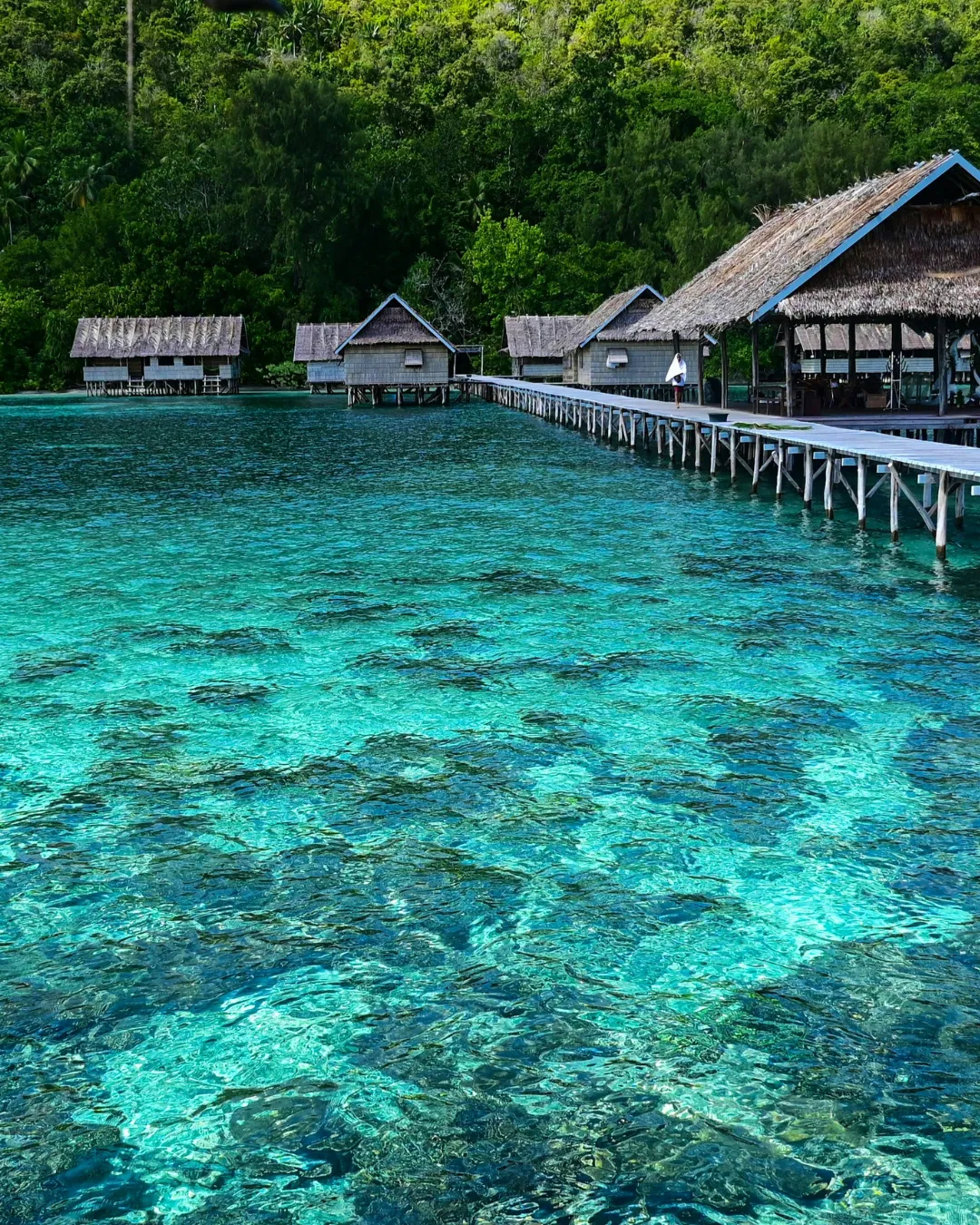
This is especially true in places that are suddenly described as the “last paradise” or “untouched”, language that sounds celebratory but often conceals a shifting baseline. What one generation experiences as remote and pristine may already be profoundly altered compared to what existed a decade earlier.
Raja Ampat, Lynn noted, has changed dramatically in the twelve years she has been working there. Not gradually, but fast. More boats. More accommodation. More outside investment. More visibility. More pressure.
And yet, she is equally clear that this cannot be reduced to a simplistic anti-tourism argument. For some families and individuals, tourism has brought safer and more dignified livelihoods than dangerous forms of fishing, and an income that subsistence living never could.” The question is not whether tourism exists, but how it is structured, who it serves and whether value remains rooted in place.
Conservation by and with, not to and for
That distinction shapes everything The SEA People does.
For Lynn, community-led conservation is not a slogan. It is a method. It requires listening before designing, observing before intervening, and allowing local realities to shape both the goals and the operational culture of an organisation.
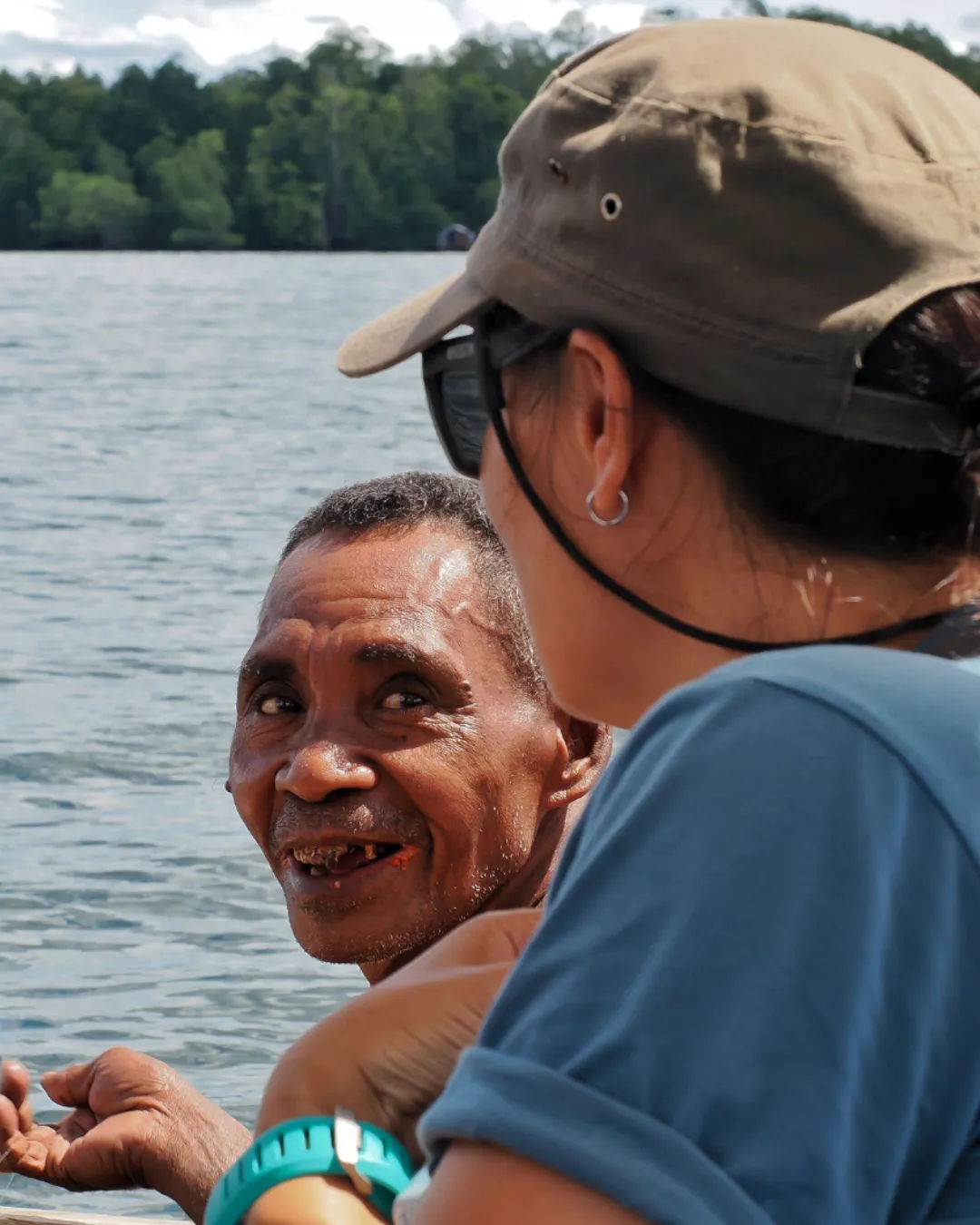
Before building programmes in Raja Ampat, she and Arnaud spent years watching, listening and learning. They learnt the local language, spoke with communities, tried to understand their concerns and aspirations, and resisted the temptation to arrive with ready-made answers.
“There’s a big difference,” Lynn said, “between doing conservation by and with local communities, and doing it to and for them.”
That sentence gets to the heart of the matter.
Community-led conservation does not mean communities are expected to solve everything on their own. Some problems are obviously structural and external. But for the challenges that can be addressed locally, Lynn believes communities should be trusted with genuine opportunity, paid learning, safe working environments and the space to lead.
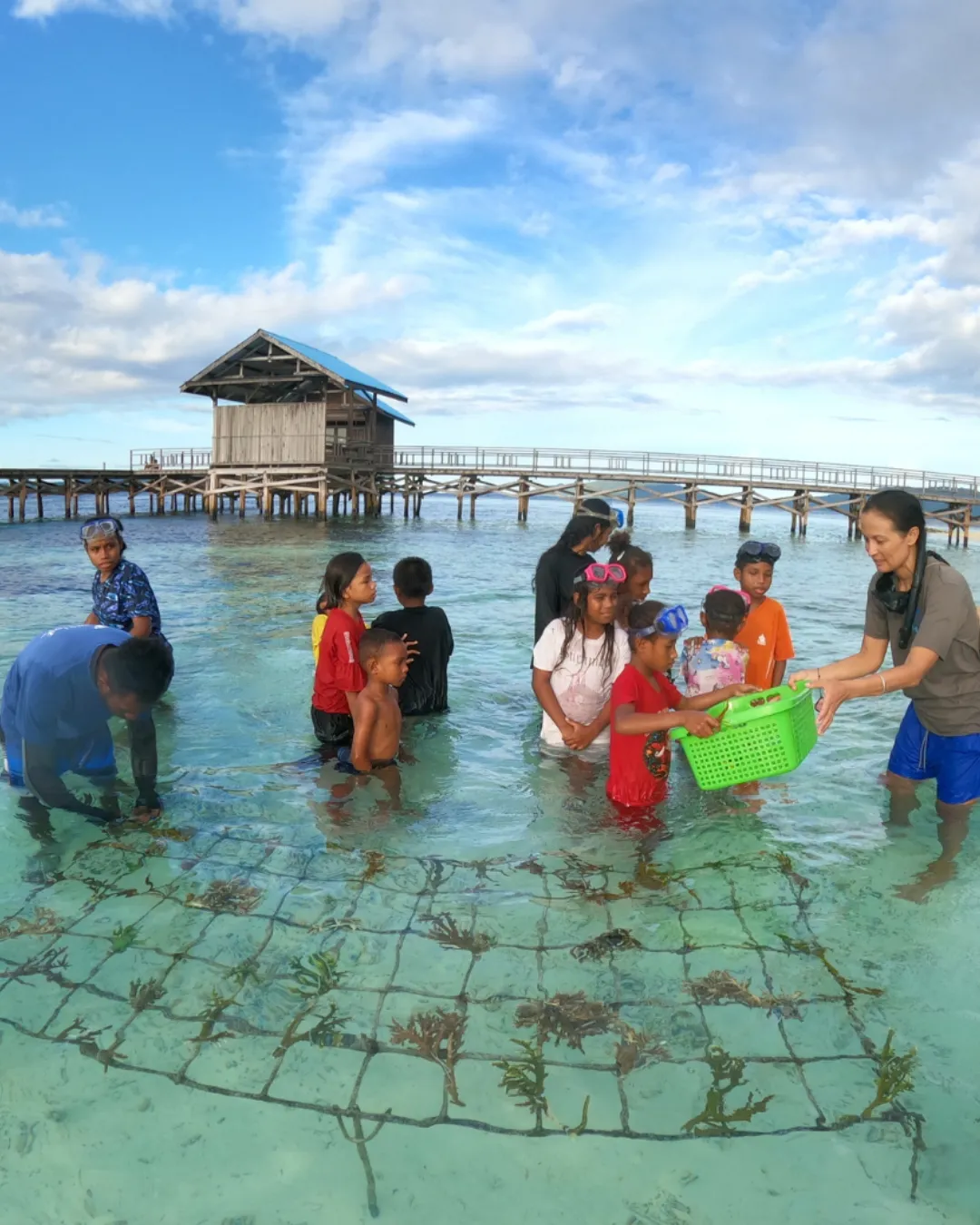
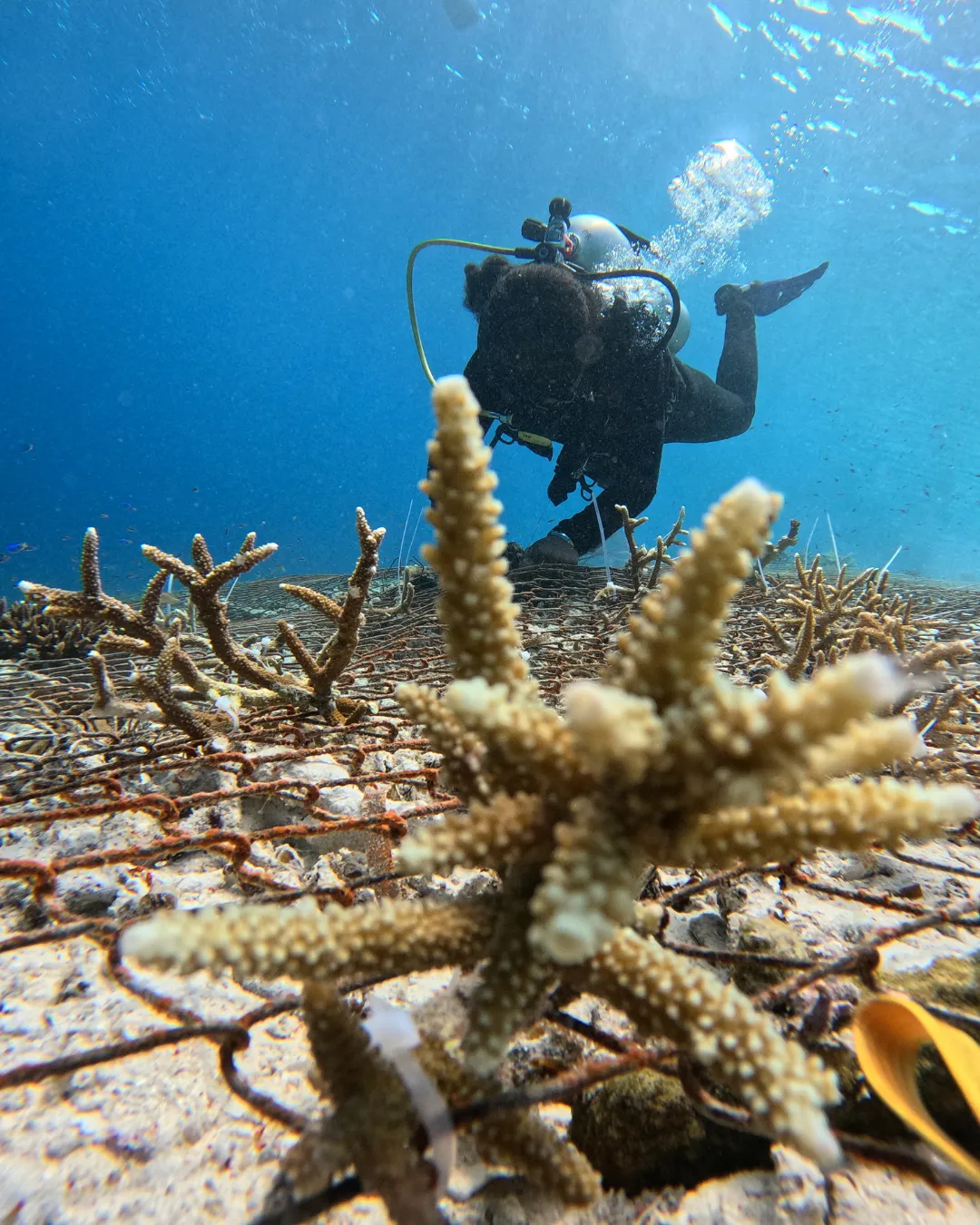
The SEA People’s flagship reef restoration programme, Yaf Keru, named by local fishermen and meaning “coral garden”, reflects exactly this approach.
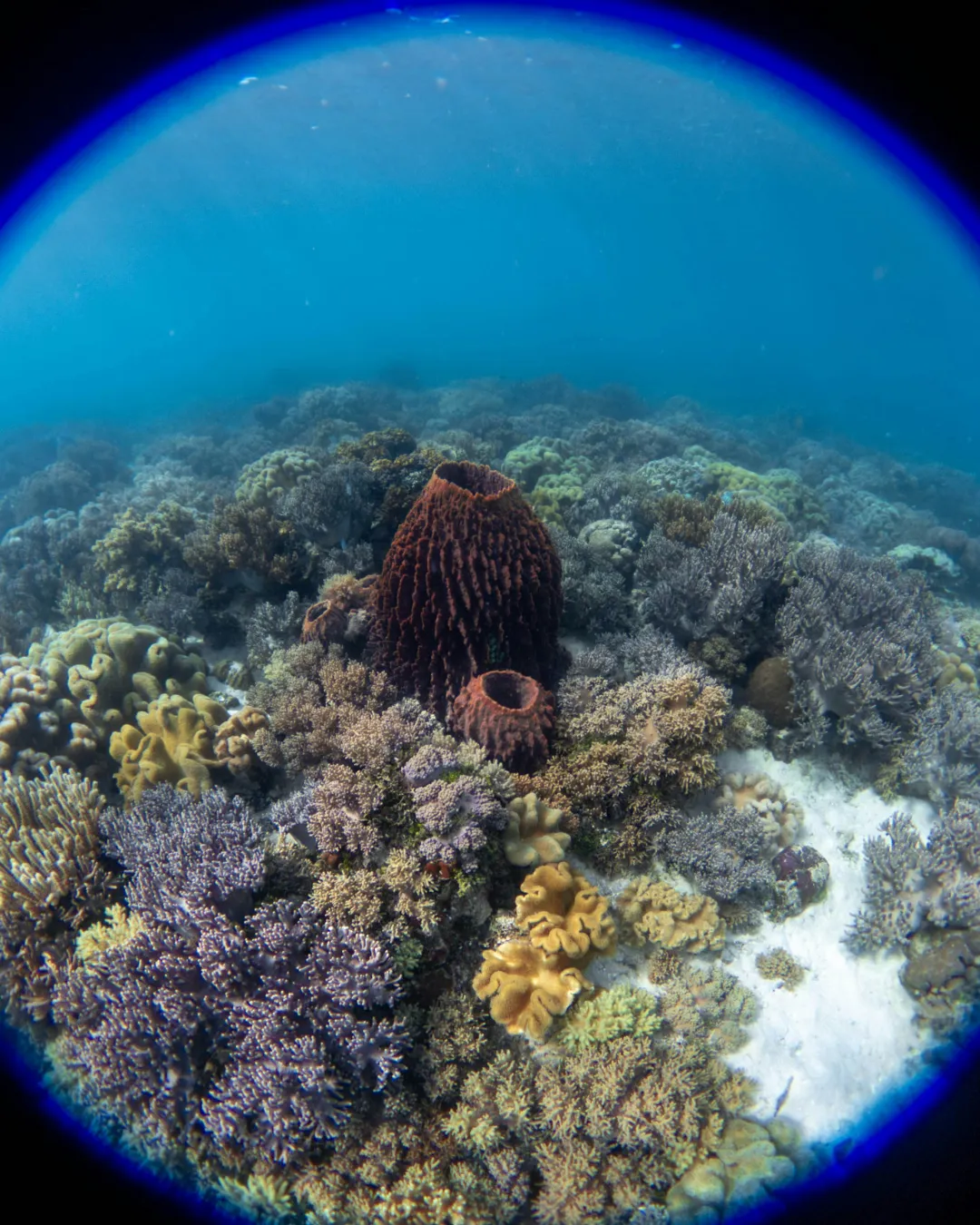
On one level, it is a large-scale ecological restoration initiative. The team has restored more than two and a half hectares of degraded reef and, in terms of physical footprint, now runs the largest reef restoration programme in Indonesia.
But reef restoration is only part of the story.
The programme is also about building a different local economy around the sea. One in which environmental care becomes a source of pride, status and livelihood, rather than something abstract or externally imposed. One in which younger people can imagine a future in conservation without having to leave home. One in which work is not only safer, but more meaningful.
Lynn put it beautifully. The aim is to create jobs that local families want for their children, not because they are attached to tourism glamour, but because they help protect the reefs their communities depend on.
That, in itself, is a profound shift.
What restoration really restores
It would be easy to talk about reef restoration only in ecological terms. Coral cover, fragment survival, fish return. Those metrics matter, of course. But Lynn repeatedly returned to something more layered: the idea that restoration also restores confidence, capacity and cultural alignment.
The team she has built is small, just Lynn, Arnaud and nine full-time local staff, with numbers increasing as projects demand. But its impact reaches far beyond coral structures in the water.
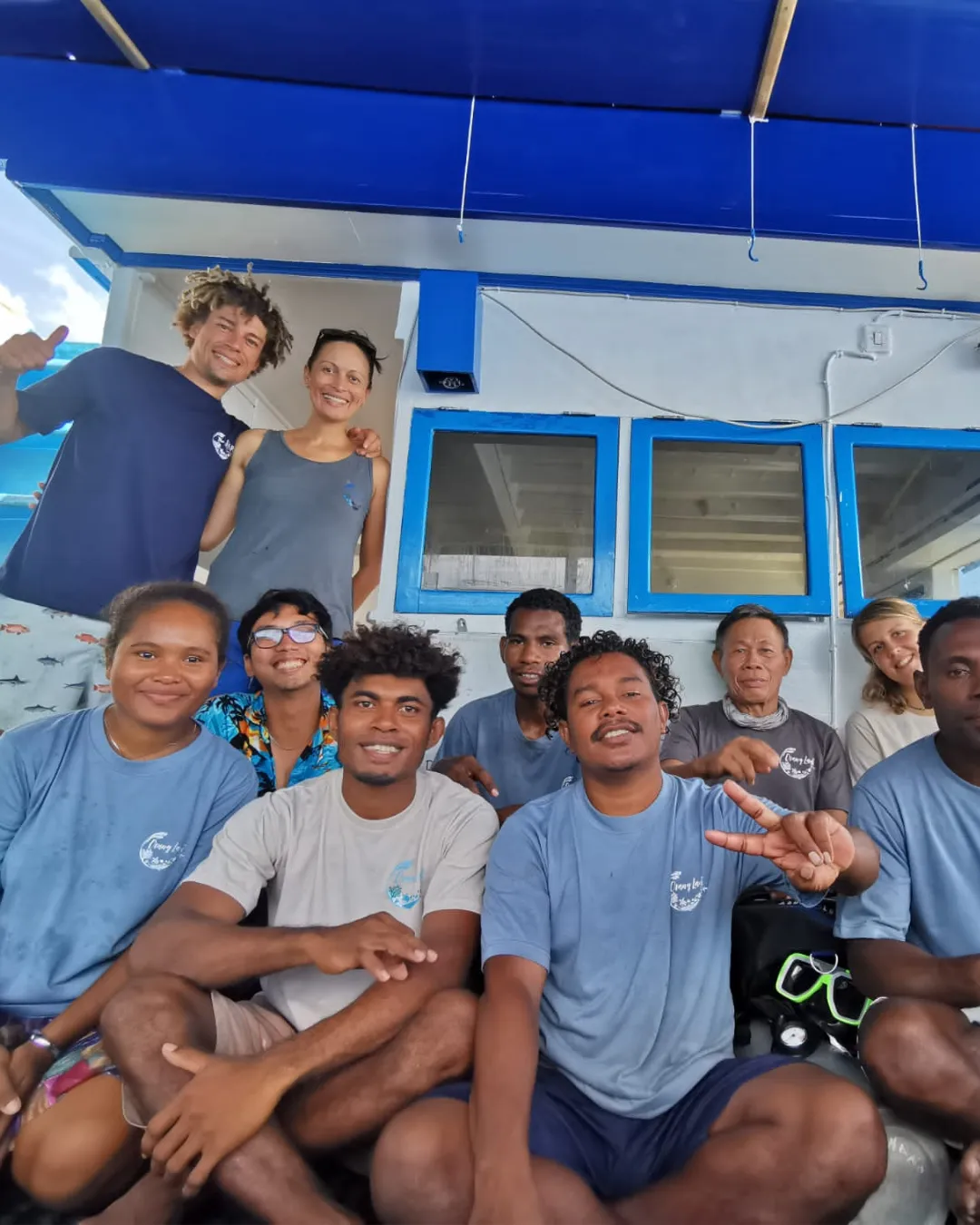
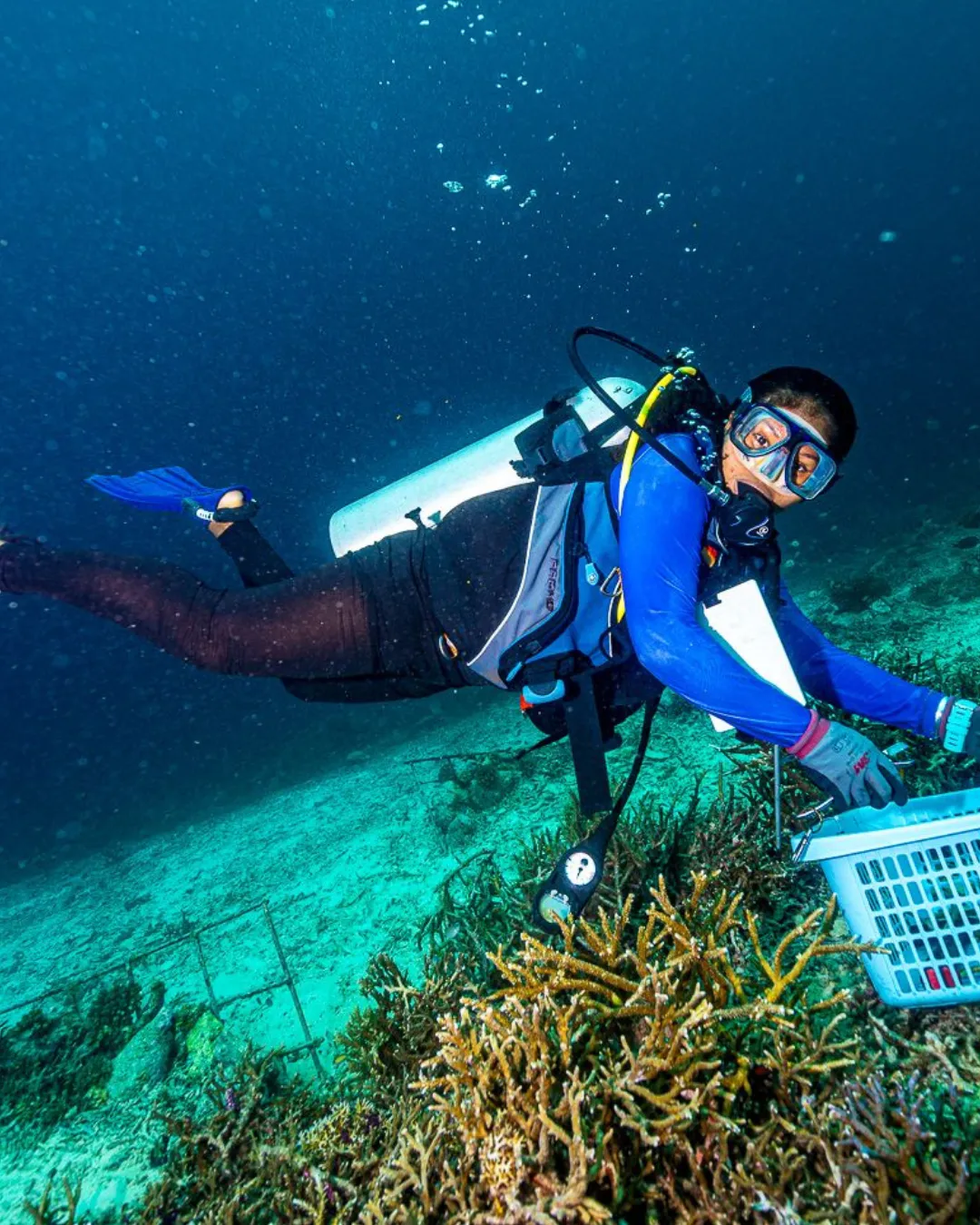
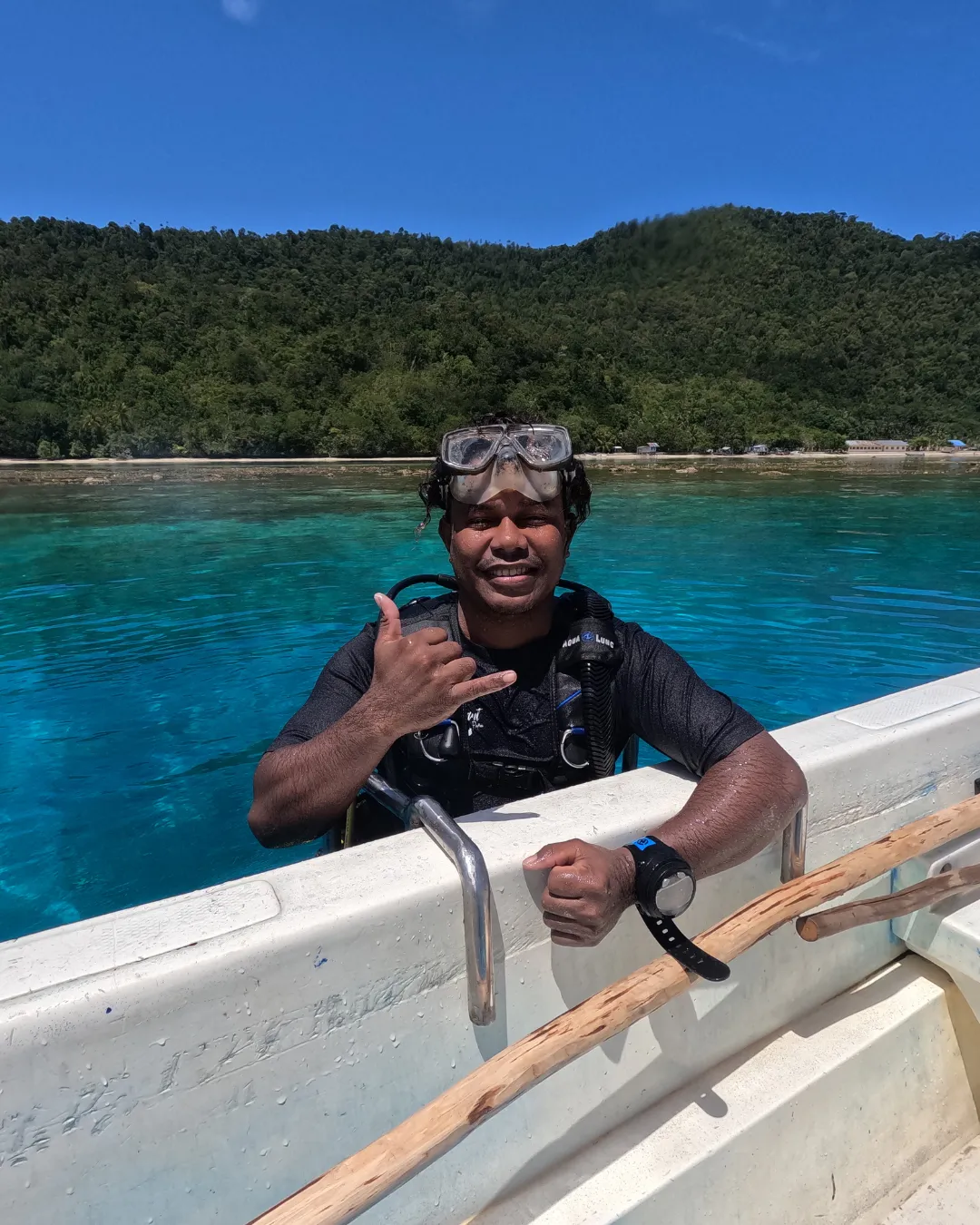
“There is Piet, from one of the more remote areas in Raja Ampat, once a compressor fisherman due to a lack of livelihood opportunities, engaged in dangerous work for little pay, now a certified Rescue Diver, Yaf Keru Team Leader and a role model for so many younger members of community. There is Cori, representing the program and her community at national and international conferences, overcoming her nerves at a major event to introduce herself and her work to a government minister while speaking about community-led conservation. And then there’s the Yaf Keru program itself—truly a community program—frequently used by international non-profits as a ‘model’ community program, showcased to national and international government ministers during field visits.”
These moments matter deeply to Lynn. Not because they are symbolic wins, but because they show local people occupying space differently. Speaking with authority. Being recognised. Building pride in forms of stewardship that did not previously exist as visible career pathways.
“It’s not just about putting corals on reefs,” she told me.
And she’s right. The project is restoring ecological function, yes. But it is also restoring the possibility that local people can be seen and see themselves as environmental leaders.
That is not secondary to the conservation work. It is part of the conservation work.
Marine regeneration, not just sustainability
When our conversation turned to regeneration, Lynn gave one of the most nuanced answers of the interview.
She no longer thinks of regeneration simply as returning ecosystems to some previous state. In many marine environments, the baseline has shifted too far for that to be realistic. Conditions have changed. Human pressure has altered systems. Climate disruption has changed the terms.
So what does regeneration mean?
For Lynn, it means putting a functioning ecosystem back into motion. Taking what was coral rubble, structurally dead and biologically diminished, and restoring enough complexity that ecological relationships begin working again. Fish return. Feedback loops re-establish. The system begins to support itself.
Not necessarily as it was before human impact, but as something living, dynamic and capable of sustaining life.
That distinction matters. It moves the conversation away from nostalgia and towards function. Regeneration is not about recreating an idealised past. It is about rebuilding enough ecological integrity for life to flourish again.
One of Lynn’s most vivid examples was seeing fish aggregate over restored reef areas while avoiding degraded rubble just metres away. The contrast was so stark it appeared almost like an invisible wall. Elsewhere, she watched local men fish close to shore in conditions that previously would have made that impossible, because restoration had helped bring marine life back within reach of the village.
Those are not small moments. They are evidence that ecological repair can alter social reality too.
What travellers should be asking
When I asked Lynn what questions conscious travellers should ask before visiting a place like Raja Ampat, her answer was immediate.
“Where does my money go?”
It is such a simple question, but one that strips away an enormous amount of vague ethical branding.
Who benefits from your visit? What remains in the place you are experiencing? What leaks out through ownership structures elsewhere? How does your presence support or strain the destination you are visiting?
Lynn is wary of the phrase “giving back”, and understandably so. It has become one of travel’s most overused moral alibis. She is more interested in whether travel has a positive handprint rather than merely a reduced footprint.
That requires effort. It requires changing behaviour before going on holiday. It requires seeing travel not as entitlement, but as a relationship.
And it requires recognising that degradation is not caused only by governments or industries or “other people”. We are all implicated, though unequally, in the systems that shape the ocean’s future.
Hope, and where it lives
For all her realism, Lynn does not sound defeated. What emerges most clearly from this conversation is a grounded, practical sense of hope.
She sees it in her team. In their younger siblings wanting to join restoration work. In the increasing number of travellers asking how they can visit Raja Ampat in a better way. In people beginning to understand that there is a problem and that they are part of it, which means they can also be part of responding to it.
Hope, in Lynn’s framing, is not abstract optimism. It is the growing willingness of individuals to make choices differently. To ask better questions. To move from passive admiration of the sea to a more active form of care.
That feels like the right note on which to begin Journeys With Purpose’s year of Oceans & Coasts.
Not with fantasy. Not with clichés. But with a more serious and more hopeful idea, that marine conservation is not only about saving reefs. It is about redistributing agency, rebuilding relationships and making sure the people most connected to a place are not the last to shape its future.
That is the conversation Lynn Lawrance is inviting us into.
And it is one well worth having.
Are you ready to experience the sea people in person?
Get in touch with our expert travel team today on +44 20 8044 9538 or connect@journeyswithpurpose.org to begin creating your dream trip.