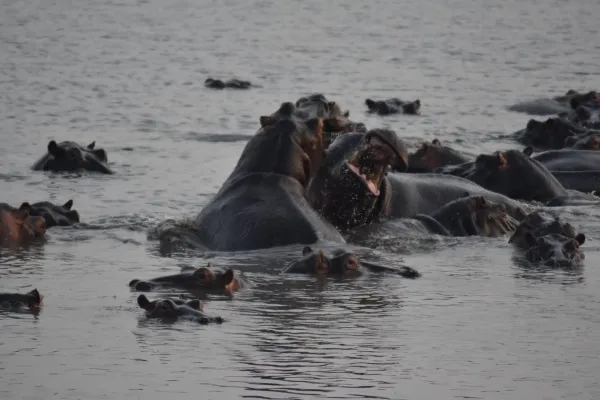
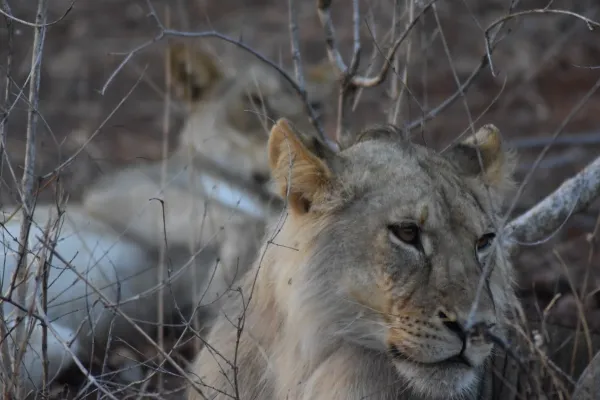
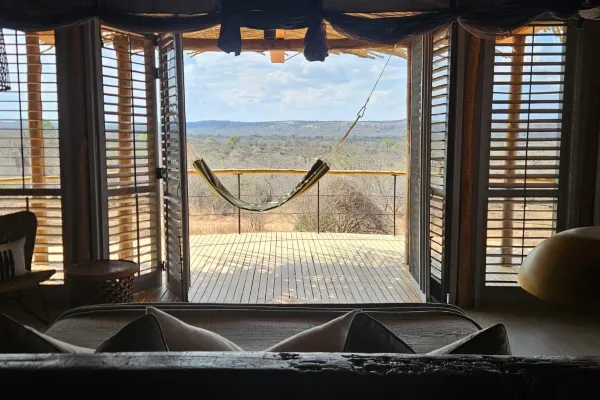
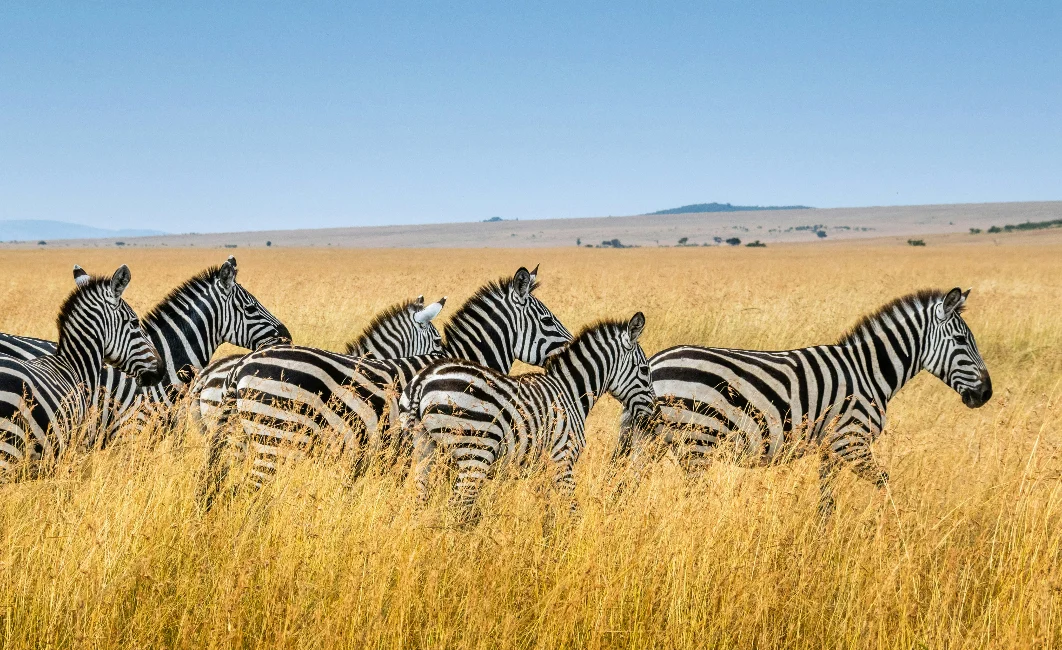
My Southern Tanzania adventure with Asilia was an unforgettable journey through some of the country’s most remote and diverse wilderness areas. From the pristine wetlands of Usangu Expedition Camp, to the expansive savannahs of Ruaha National Park at Jabali Ridge and the waterways of Nyerere National Park at Roho ya Selous, each location offered unique wildlife encounters and immersive safari experiences.
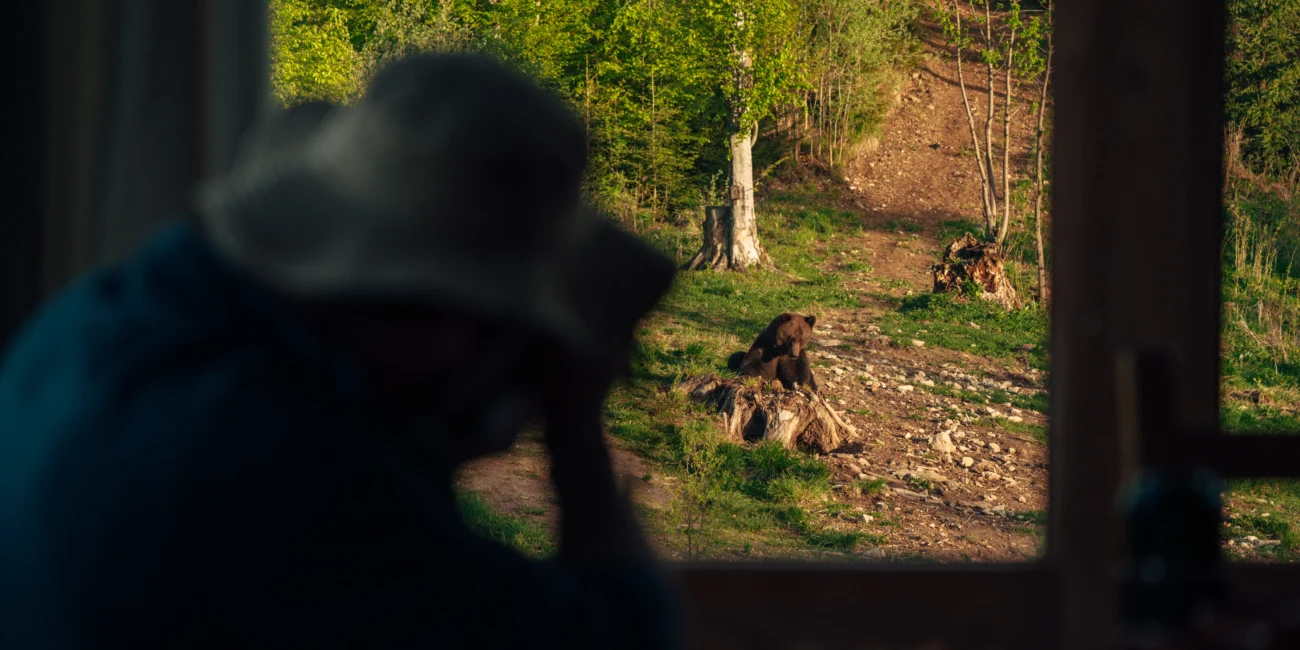
I began my adventures through Southern Tanzania at Usangu Expedition Camp, venturing deep into the remote Usangu Wetlands. I explored seasonal waterways and miombo woodland by boat and 4×4, setting camera traps in the afternoon to monitor wildlife. As night fell, I joined night drives, observing elusive animals through thermal cameras for discreet, close-up encounters. The day ended with a truly unforgettable experience, sleeping under the stars in a bush camp, surrounded by the sounds of the wild.
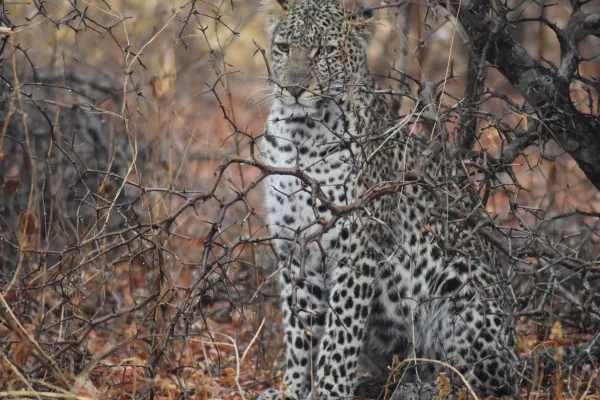
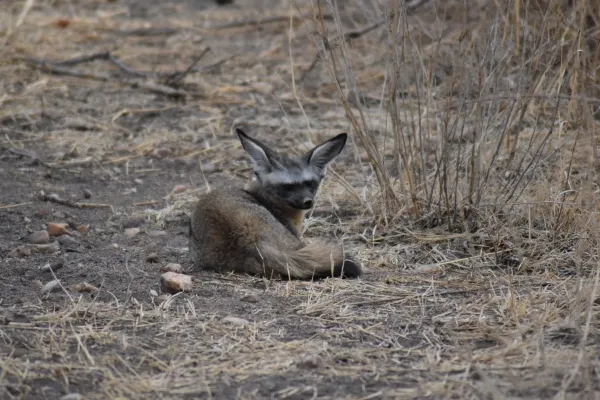
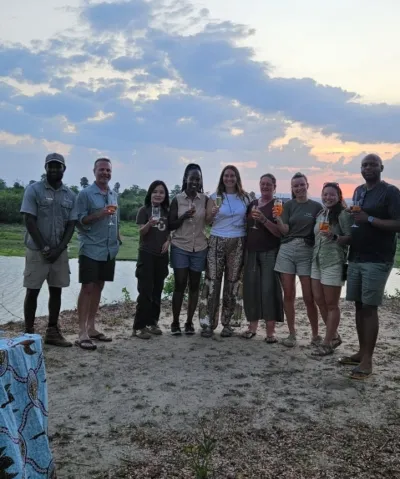
At Jabali Ridge, I immersed myself in the heart of Ruaha National Park, taking part in game drives and guided walking safaris. I experienced the thrill of spotting leopards and hyenas in their natural habitat, and watched elephants stroll gracefully past as I enjoyed sundowners in the golden evening light.
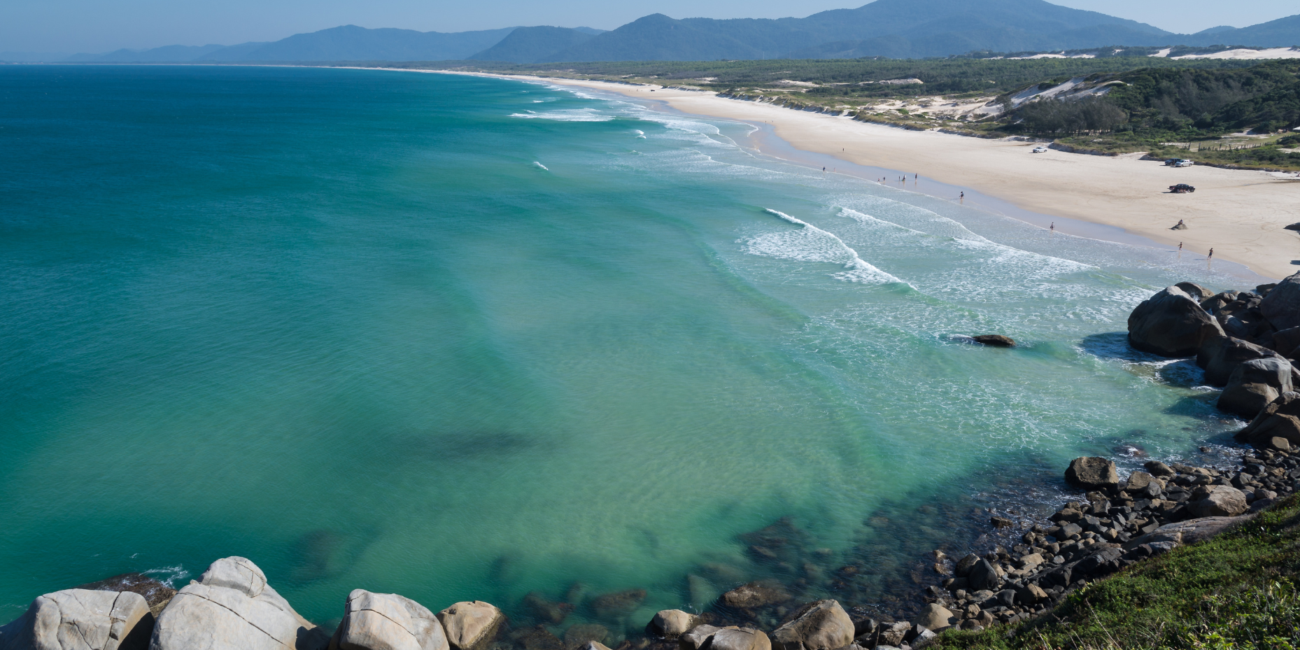
At Roho ya Selous, I explored the waterways of Nyerere National Park, combining game drives with river safaris and catch-and-release fishing, experiencing the thrill of reeling in native fish before releasing them back into the wild. On foot, I had the rare opportunity to track and spot leopards, moving silently through the bush with expert guides. I also observed over 400 bird species, including the elusive Pel’s fishing owl, and watched a variety of wildlife come down to the water’s edge. Navigating this diverse terrain up close gave me a profound appreciation for the richness and complexity of the park’s habitats.
Concluding this journey through Southern Tanzania, I felt a deep connection to the land, its wildlife and the delicate balance of these remarkable ecosystems. I’m grateful to have experienced the diversity, beauty and raw energy of Tanzania’s wild spaces.
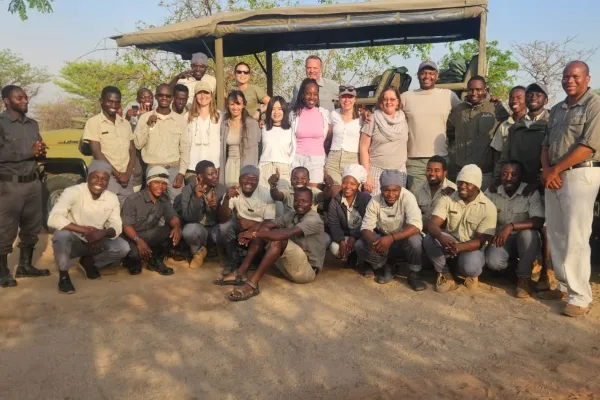
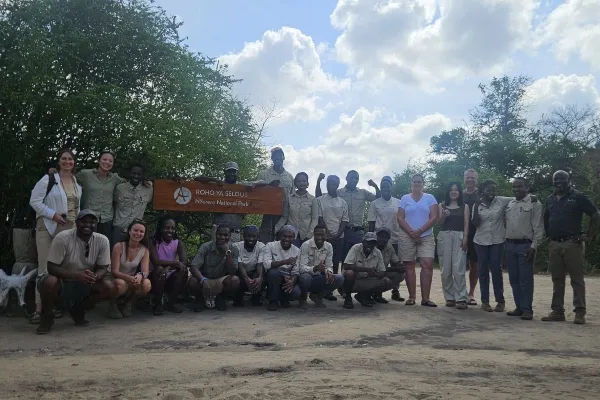
Immersion in Conservation & Citizen Science
All three camps are part of Asilia Africa’s conservation ethos, meaning every stay contributes to vital wildlife protection and community support through conservation charges and responsible tourism practices.
Usangu Expedition Camp, in particular, is designed as a citizen science experience. When I was there we set camera traps, uploaded images to the Predator ID Hub and even participated in telemetry tracking with researchers to monitor lion, leopard, elephant and wild dog movements. This experience offered a meaningful way to contribute to scientific understanding, providing genuine insight into the processes behind animal conservation. I came away having learnt not only about the wildlife, but of the importance of preserving the landscapes they inhabit too.
At Jabali Ridge, support goes to initiatives such as the Ruaha Carnivore Project (GPS tracking and human‑wildlife coexistence) and the Southern Tanzania Elephant Project (STEP), which focuses on long‑term elephant safety, aerial surveillance, ranger training and education in predator dynamics – embodying a truly holistic approach.
Whilst a stay at Roho ya Selous automatically supports broader Asilia conservation and community programmes, from anti‑poaching efforts to environmental education and local training schemes such as the Twende Porini conservation mentorship programme.
Reflections from the Field
Encounters like these go far beyond sightseeing, they are transformative experiences that connect us to the natural world and the communities that steward it. Venturing off the beaten track, into remote wilderness areas far from the usual tourist routes, allows for intimate, unhurried interactions with wildlife and landscapes that few have the privilege to experience. Observing animals up close, exploring untouched habitats and participating in hands-on conservation work fosters a deep understanding of the fragility and resilience of these ecosystems.
Through guided experiences with expert conservationists, whether setting camera traps, tracking elusive predators, or engaging with local communities, we gain insight into the complex interplay between humans, wildlife and the environment. This knowledge is not only deeply enriching on a personal level, but it also empowers travellers to become advocates for sustainable practices and lasting conservation impact.
Ultimately, experiences like these matter because they transform travel into meaningful action blending adventure, learning and stewardship in a way that benefits both the planet and the people dedicated to protecting it.