Gorilla trekking is a thrilling wildlife experience, with both countries offering unique opportunities to see these majestic creatures in their natural habitat. If you’re considering the age old question of gorilla trekking in Rwanda vs Uganda, the decision on which destination is better suited to your needs- depends on several factors.
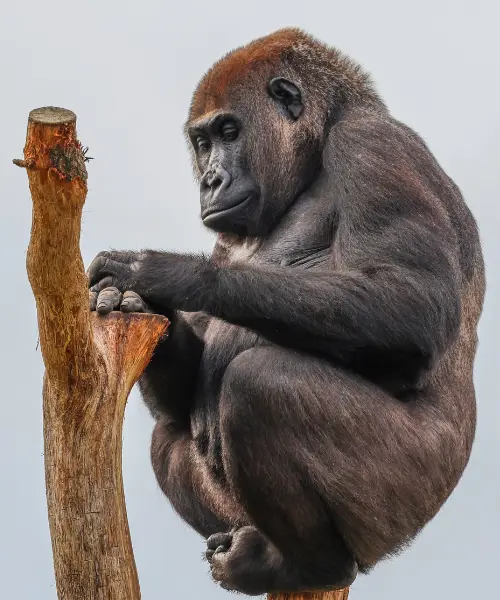
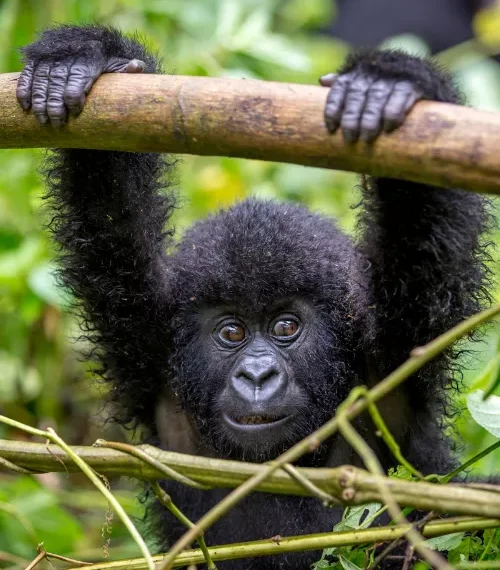
With the current global population of mountain gorillas estimated to be just over a thousand animals, it’s easy to see why it’s such a bucket list experience for so many travellers. And for every gorilla trek, much needed funds are generated to conserve, protect and grow their populations through permit fees.
Speak to one of our Travel Researchers who will be able to create the perfect tailormade gorilla experience just for you.
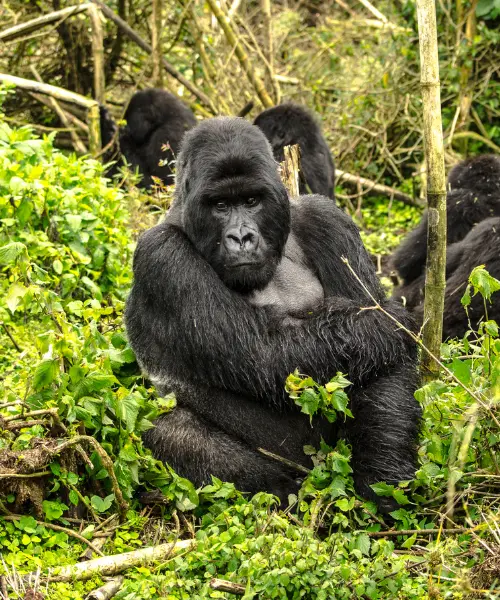
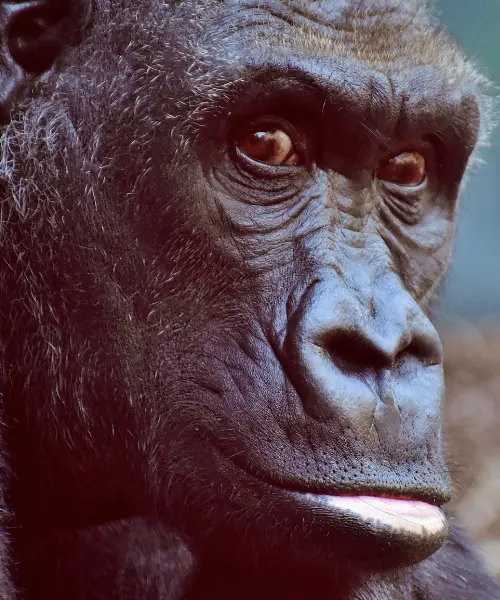
Interesting facts about gorilla conservation
About half of the wild mountain gorilla population is found in Uganda, with over 25 habituated gorilla families made up of over 400 individuals in Bwindi Impenetrable National Park alone. Another large group, comprising around 80 gorillas, resides in the lesser-known Mgahinga National Park. Rwanda’s Volcanoes National Park has just 12 habituated groups – but the treks tend to be easier and the gorillas easier to view.
The main threat to mountain gorillas is habitat loss. In the past, the high-altitude montane and bamboo forests they have always called home have been cleared and degraded due to the ever-expanding human population. Not only are they left to compete for vital resources, but this leads to human-wildlife conflict.
Whilst poaching these days is rare, they do sometimes get caught in snares set for other wildlife. There has also been pressure on the national parks from companies wanting to drill for oil and gas in these pristine areas which are so vital for this keystone species.
Climate change is also having a big effect as they need to live in high-altitude, cooler climes and have no option of migrating. Civil unrest and regional conflict, such as in the DRC, is also a risk factor.
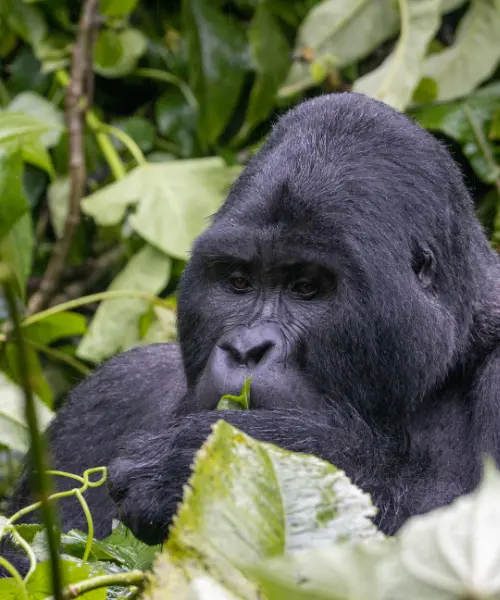
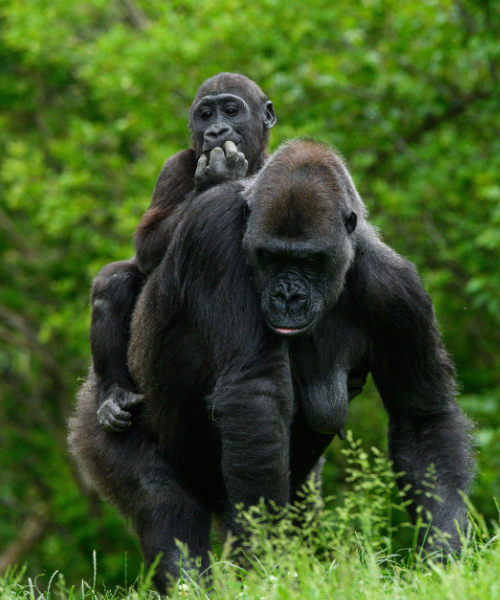
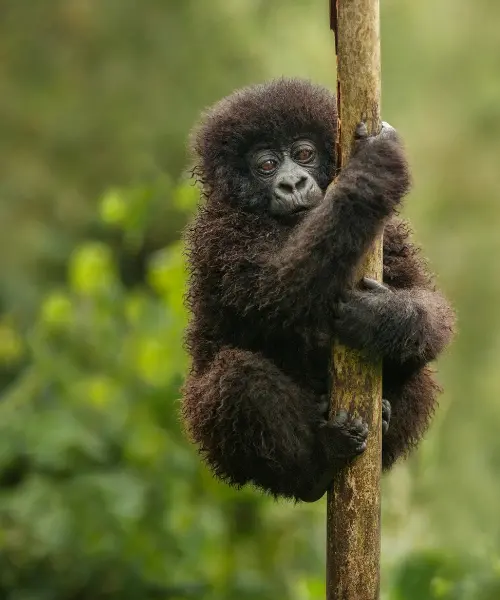
How does gorilla trekking work?
Gorilla trekking is highly regulated to protect these gentle giants. Each day, a limited number of permits are available, allowing a maximum of eight visitors to spend up to one hour per gorilla group. These permits, while expensive, are in place to fund vital gorilla conservation, so can be considered as an investment into their protection.
It is important to plan ahead because gorilla permits are almost always completely sold out well in advance so if you are planning a trip, it is vital to book early so that we can secure your permits, especially over the high season from June to September and December.
The best time for gorilla trekking in both Uganda and Rwanda is during the dry seasons, which generally run from June to August and again from December to February. The trails tend to be less slippery which makes for an easier trek. Bwindi is especially wet being a rainforest, so it is best to try avoiding peak rainy periods, namely April to May and October to November.
If you are concerned about safety, you can rest assured that rigorous protocols are in place and incidents are incredibly rare. Whilst all safaris carry a small element of danger, the gorilla families that are visited on these treks are all habituated into human-friendly groups which are visited by tourists throughout the year. A healthy, respectful distance (usually around seven metres) is kept at all times and your guides will be extremely experienced in reading their behaviour.
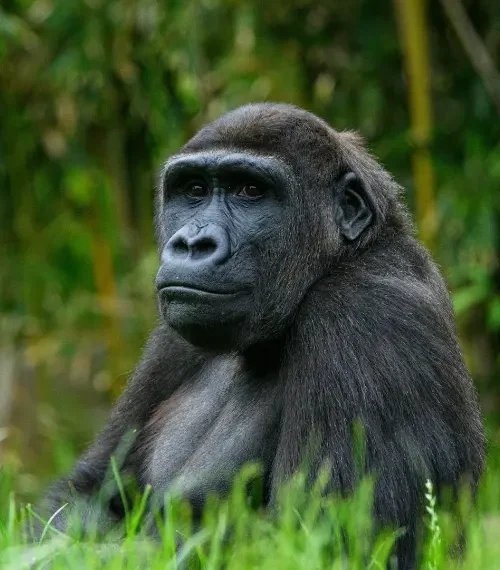
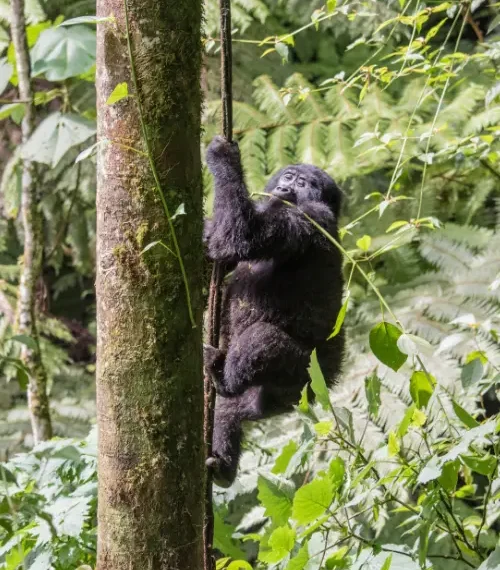
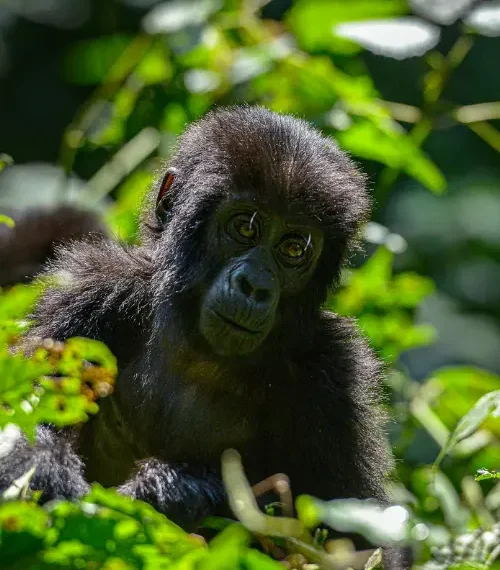
Gorilla trekking in Uganda
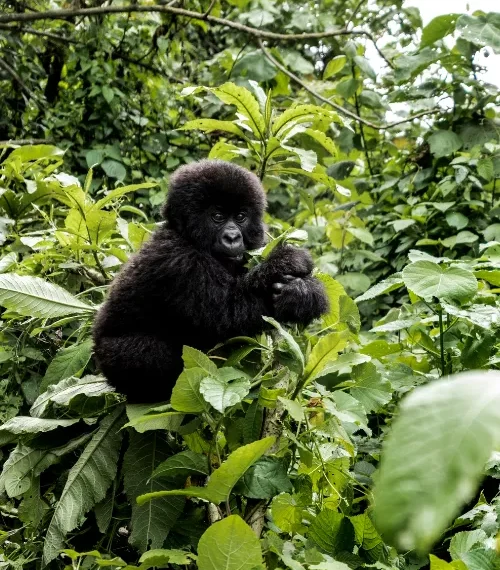
Uganda is the best option for thrill seekers and adrenaline junkies love the idea of more intense jungle treks. Bwindi is a dense tropical rainforest, offering a stunning yet more challenging environment for spotting gorillas due to the thick vegetation. The treks are more strenuous with steep, overgrown tracks, especially after rain.
For those looking to add other experiences onto their gorilla trek, Uganda also provides extensive safari options for those wanting an immersive Ugandan adventure. Murchison Falls and Queen Elizabeth National Park are fantastic wildlife reserves where you can spot the Big Five (excluding rhinos, which can be seen at Ziwa Rhino and Wildlife Ranch), and gorilla treks are often combined with chimpanzee trekking for a robust primate safari. Ugandan gorilla treks also combine beautifully with a Kenyan safari, including the Maasai Mara and Chyulu Hills.
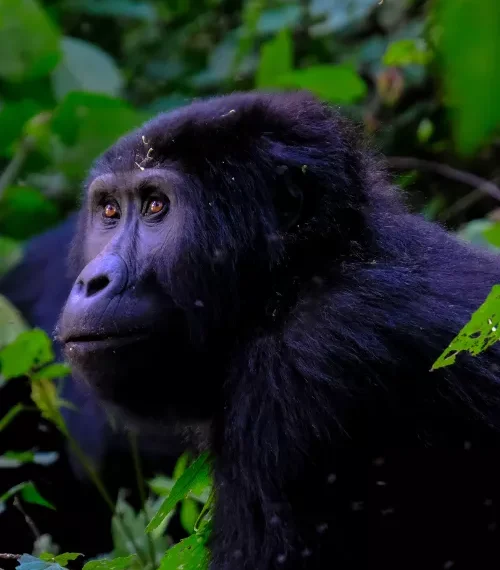
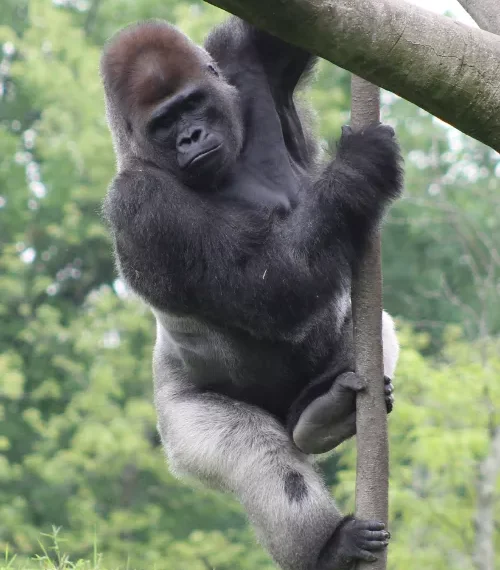
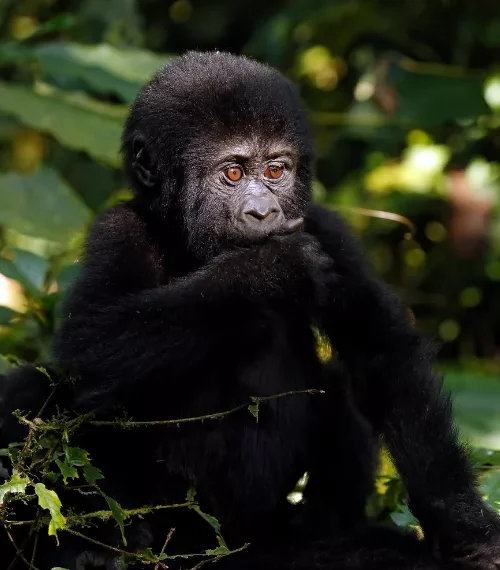
Gorilla trekking in Rwanda
Volcanoes National Park is part of the Virunga Mountain range, and features an open bamboo forest, providing wonderfully clear views of the gorillas. The paths are generally well-defined so are more suited to those who are not as fit or adventurous – although the higher altitude can pose challenges.
If you are short on time, then Rwanda may be a good choice. It is an intoxicating destination, and we would highly recommend also taking the time to experience Akagera National Park and Nyungwe National Park, which offer a unique and memorable safari experience. It also combines beautifully with the iconic migration in Tanzania.
Whichever country you choose as your answer to the Uganda vs Rwanda gorilla trekking debate, encountering these magnificent silverbacks in their natural habitat promises to be a life changing experience.
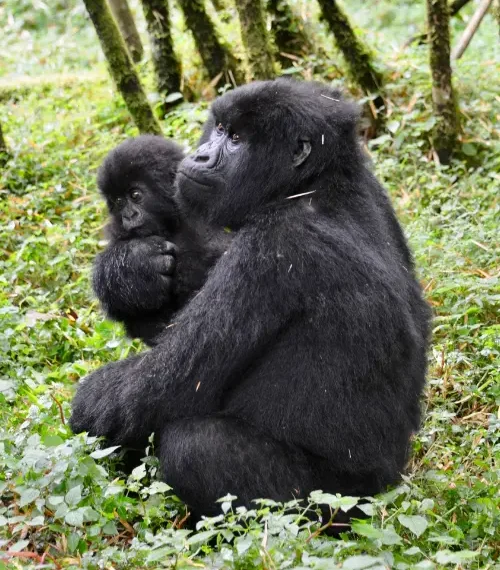
Interested in Gorilla Trekking?
Are you ready to experience gorilla trekking in Africa? Then get in touch with our expert travel team on +44 20 8044 9538 or at connect@journeyswithpurpose.org and begin planning your very own unforgettable journey.