On Isla Secas, Panama, our guide suddenly stopped and pointed into the canopy. “It’s a white-necked jacobin!” A tiny hummingbird with deep green and blue plumage perched on the branch of a beautiful tree just metres from us. The bird, although beautiful, was not what I felt humbled by at that moment. It was our guide, Fabio, his tangible excitement expressed through a wide, admiring grin. We continued through the forest, pausing to marvel at various forms of tropical flowers and trees, yellow-black butterflies and a large iguana, marching between the roots of two strangler figs. Fabio approached every observation with equal enthusiasm, quickly turning a simple jungle hike into a riveting exploration of flora, fauna and a millenial-old ecosystem.
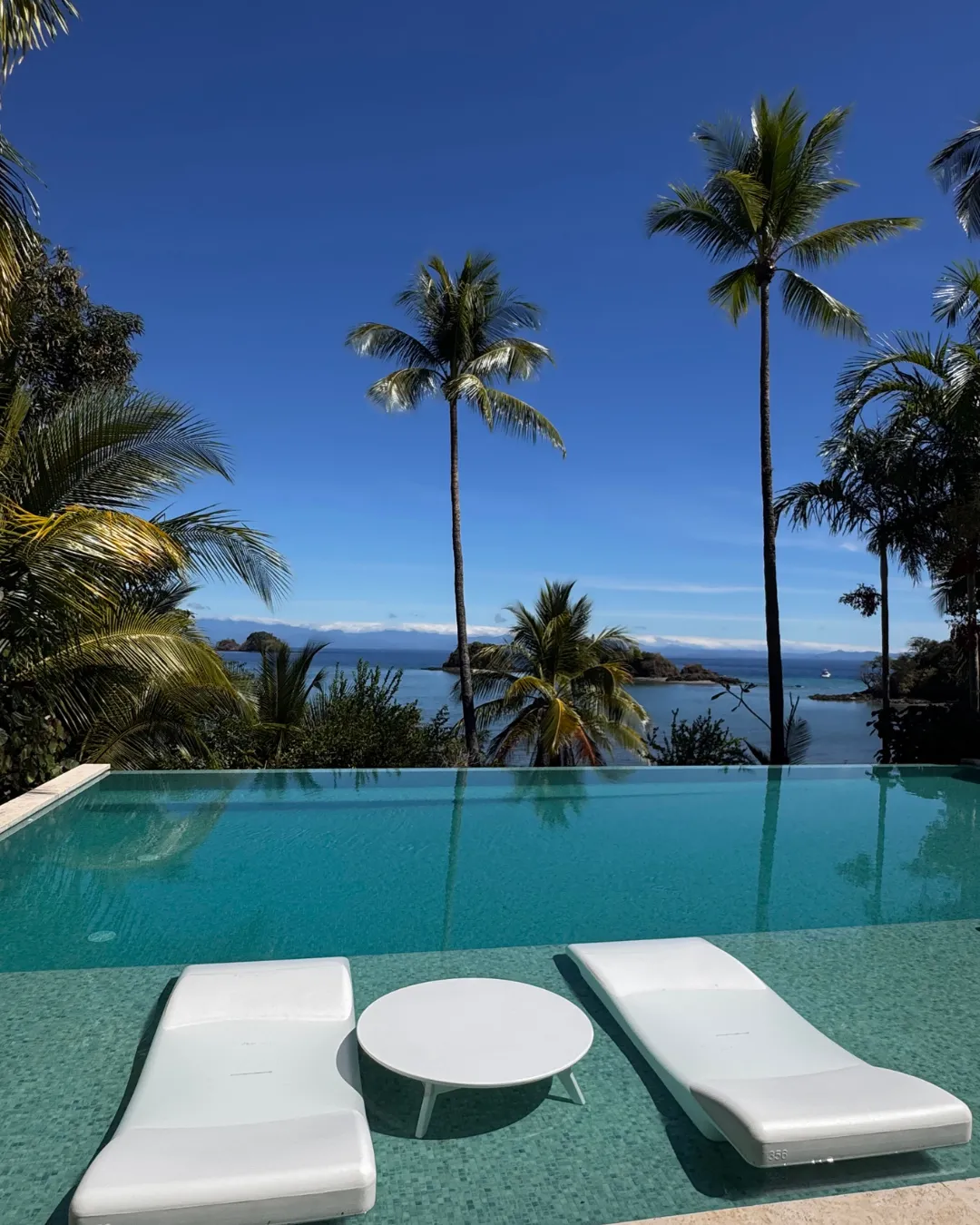
This jungle is part of a geologically unique archipelago within the Gulf of Chiriqui, off Panama’s Pacific coast. 11,000 years ago, after the melting of the ice caps at the end of the glacial age, the archipelago was formed. 2,000 years ago, a well-established community inhabited the islands, trading shells with distant mainland populations. Today, these fourteen islands make up Isla Secas, an eco-retreat which embodies nature as a defining principle. Over the coming three days, I would experience firsthand how this beautiful, barefoot retreat imbues sustainability in every element with no compromise on luxury. Reiterating how instrumental positive impact travel can be in advancing conservation.
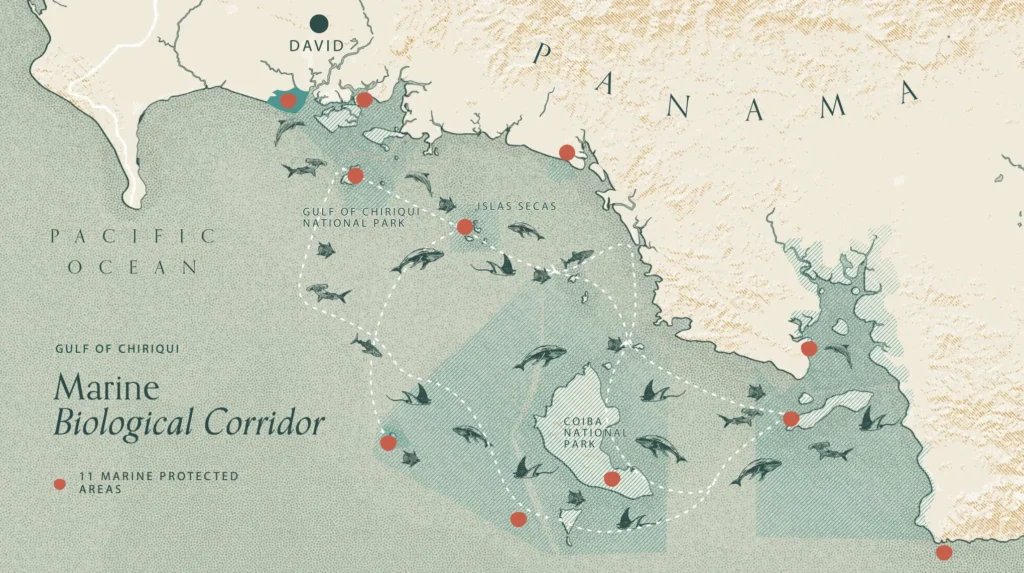
I was originally drawn to this place when a friend sent me a map depicting a marine migratory route in the Eastern Tropical Pacific, all the way from southern Patagonia to Oregon in North America. Isla Secas, and the nearby Coiba Island, forms a sanctuary for a great abundance of marine life in one of the planet’s most vital ecosystems.
Between December and April, a small population of humpback whales arrives from northern feeding grounds, but it is from June to October that the spectacle intensifies, when a far larger population travels thousands of miles from the rich feeding waters off Antarctica and Chile to breed and calve in the gulf’s protected bays. Around Isla Secas, these seasonal passages have become the focus of long-term scientific study supported by the Isla Secas Foundation. Working with researchers from the Smithsonian Tropical Research Institute, the foundation has helped expand biodiversity training for Panamanian university students, building local scientific capacity alongside conservation work.
Meanwhile, the Panamanian research organisation Panacetacea has spent two decades documenting humpback whales in the gulf through photo-identification and acoustic monitoring, cataloguing more than 1,000 individual animals. Their work continues to reveal new insights: suction-cup cameras attached briefly to whales have captured rare underwater footage of feeding and social behaviour, while recent findings confirm the presence of resident Bryde’s whales year-round. Together, these studies place the Gulf of Chiriquí firmly on the map as a critical habitat for marine mammals, and underscore the role that targeted private support can play in strengthening regional conservation science.
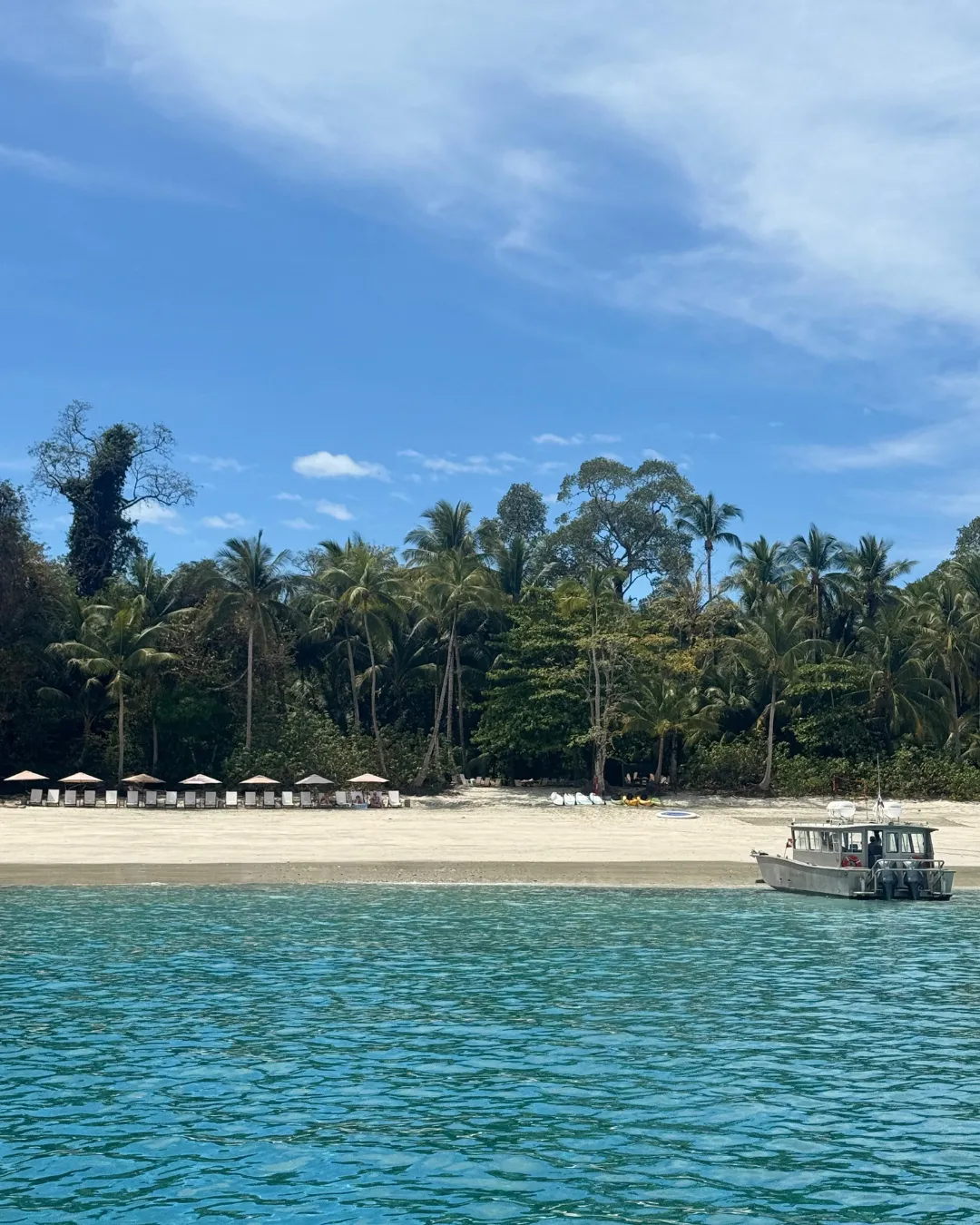
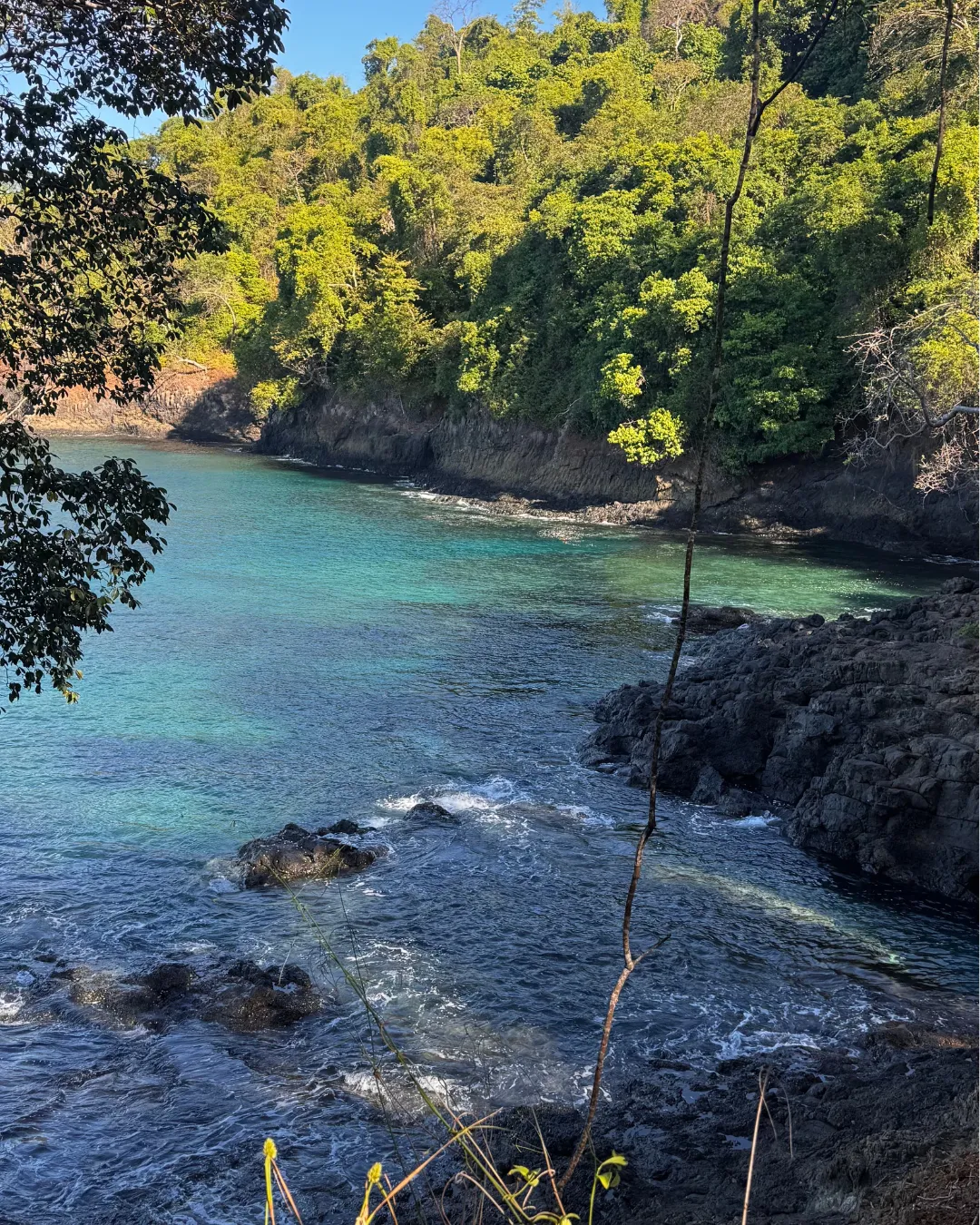
On my first morning, I joined a marine safari with Beny, the resident sustainability expert. We idled near a rocky outcrop while he described seasonal shifts in megafauna from humpback whales and whale sharks, to scalloped hammerheads recorded in deeper channels. Snorkelling off the boat in a secluded bay I was struck by the density of fish – reef fish in healthy numbers floating happily through colourful, complex coral.
He explains the importance of these large, mobile species, in regulating ecosystems across vast distances. Humpbacks act as the nutrient engineers of the ocean; they recycle iron, nitrogen and phosphorus, fertilising phytoplankton which are microscopic plants that form the base of the marine food web. Phytoplankton, in turn, support everything from zooplankton to fish populations and also play a critical role in carbon sequestration.
Scalloped hammerheads are at the top of the food chain and, as apex predators, control the populations of mid-level predators and prey species. This balance protects reef fish communities and indirectly supports coral reef health. Their behaviour also shapes where prey species feed and move – a phenomenon known as the “ecology of fear” – which can prevent overgrazing of key habitats like seagrass beds and reefs. Both species are considered sentinel species, meaning their presence – or disappearance – reflects the broader condition of the ecosystem.
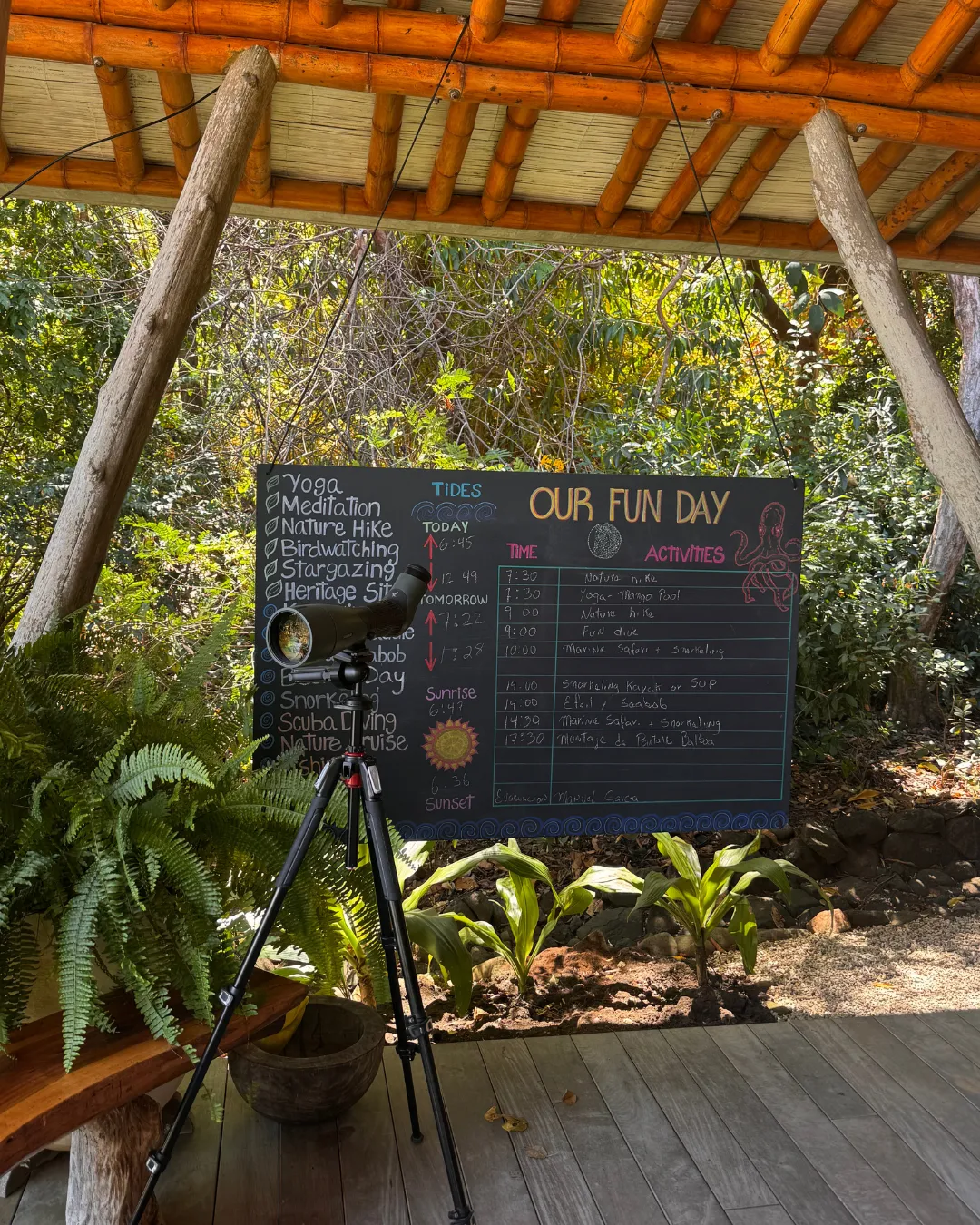
With 20 coral species and 780 fish species, Isla Secas is a paradise for divers. I couldn’t pass up the opportunity to experience this and, under the expert guidance of divemaster, Leandro, I witnessed the remarkable array of fish just 12 metres below the surface. This was a profound moment for me; we spotted, although well concealed, the tentacle of an octopus surrounded by open clams, freshly cleaned, which I learnt was a typical habit to keep a tidy, hygienic den!
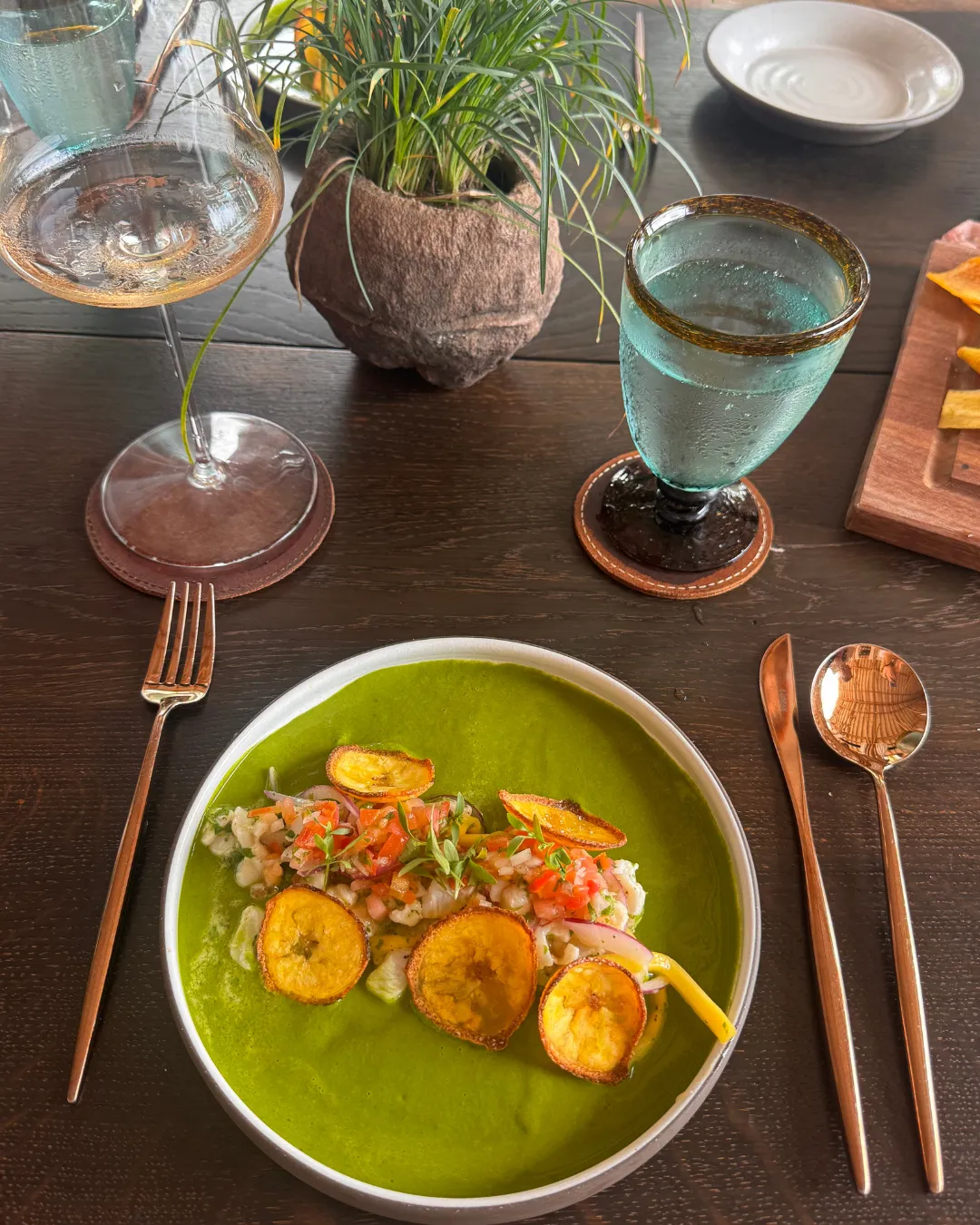
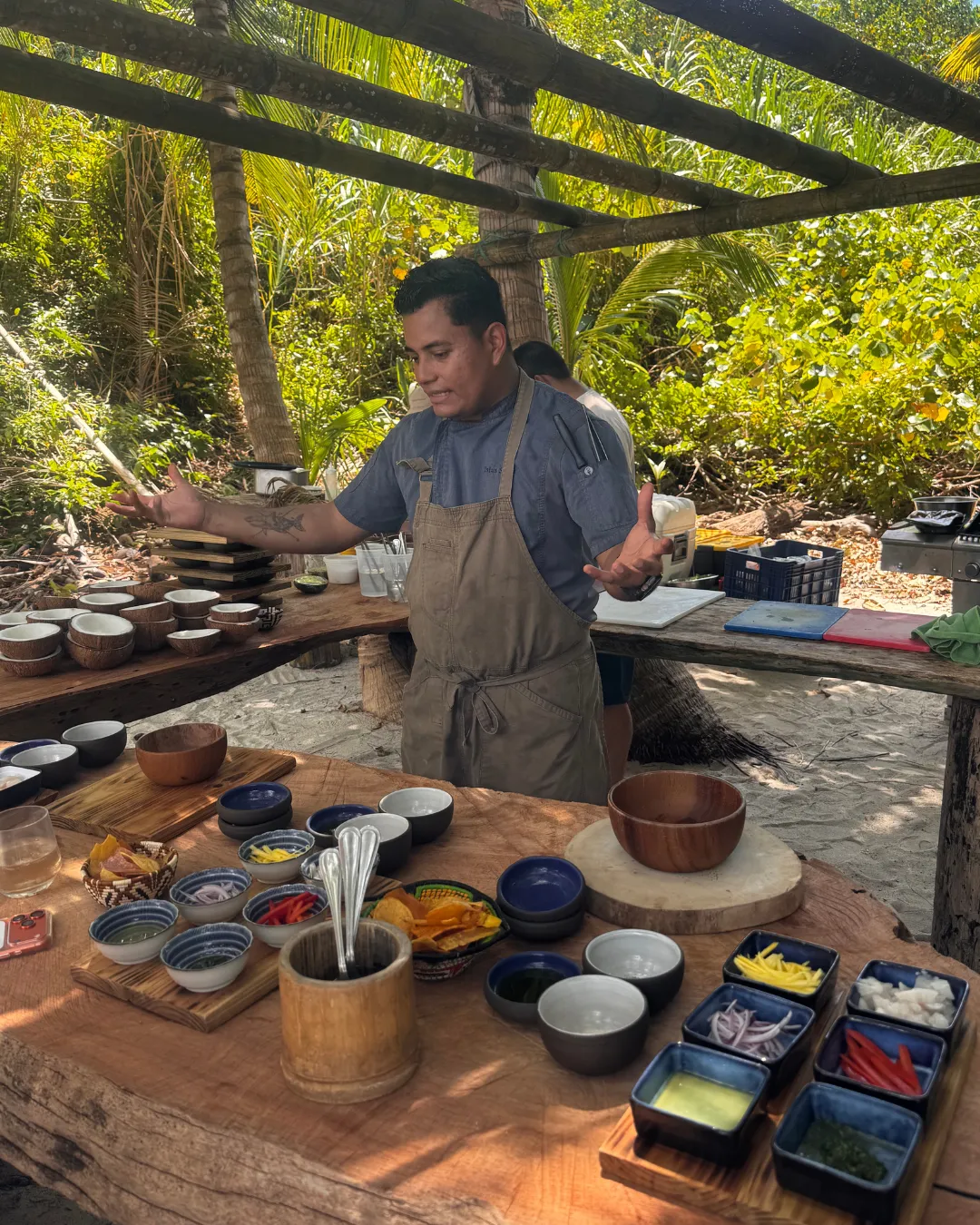
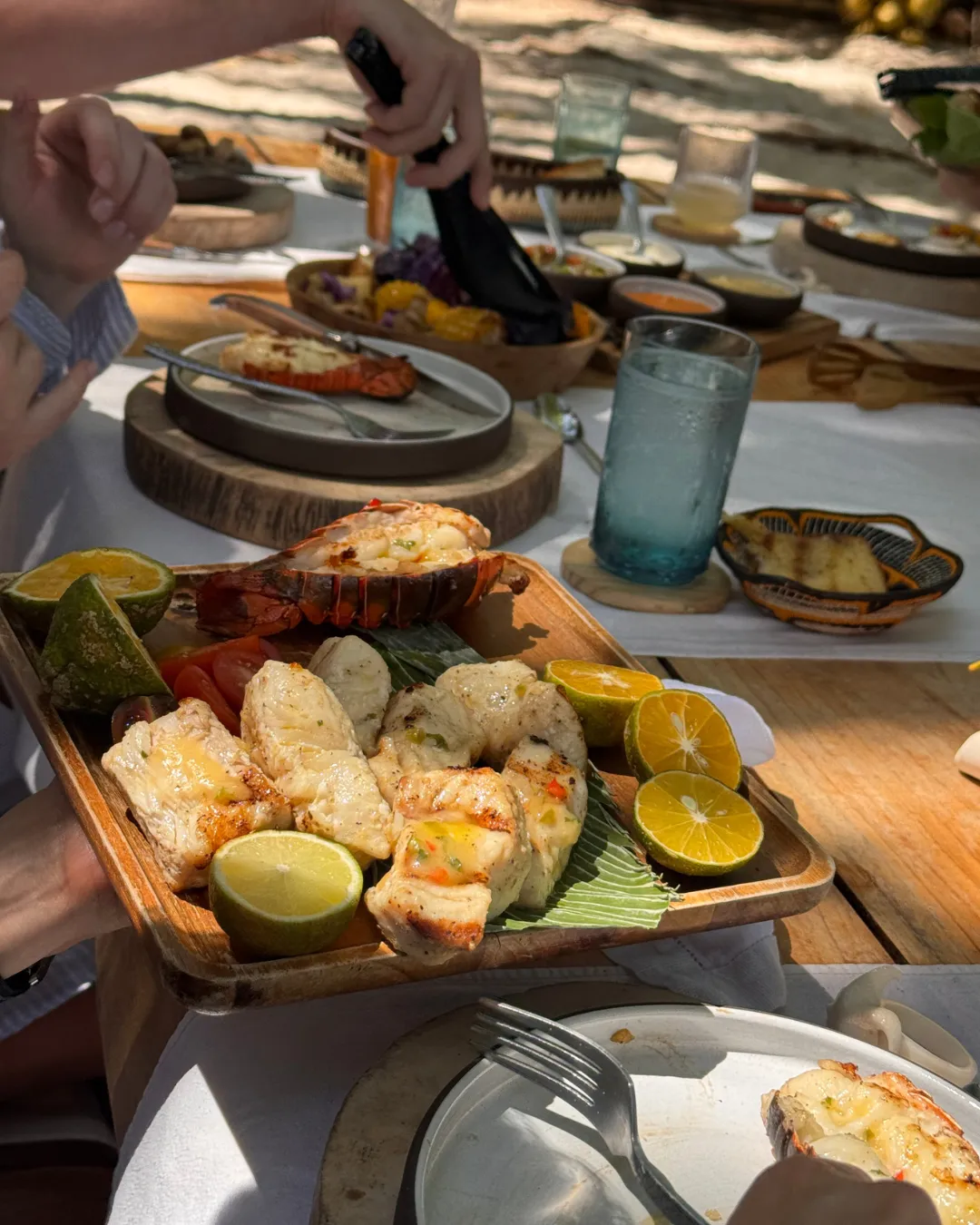
Back on land, the scuttle of tiny hermit crabs along the beach, foraging and migrating in search of a larger shell, was a phenomenon in and of itself. This marks the dry season between mid-December and April, when temperatures hover around 30C (89F); making it the perfect time for lazy beach afternoons with plentiful ceviche prepared by the artful chefs, who conjure up fresh juices, pan-seared corvina, grilled lobster and vegetables grown on the island.
After three days, I was rejuvenated beyond any typical spa retreat. But I also felt enriched mentally, after spending time with Robin, Catalina and the team who so patiently and passionately shared their remarkable achievements and ongoing commitment to safeguarding this ecosystem. Here is a vision of opportunity, an exemplary blueprint of conscious hospitality rooted in place, culture and conservation.
The privilege of experiencing such a rare, abundant place was not lost on me. I resist finishing this piece as it closes the reliving of a very happy memory, but I do so in the knowledge that I will be returning to Isla Secas with a small, select group, in August 2027. A Hosted Journey is in the making, so watch this space…