FAMILY ADVENTURES

Family Travel journeys

Exploring the world – whether gorilla trekking in the forests of Rwanda or chartering a sailboat around Belize’s Great Blue Hole accompanied by a marine biologist – is a rare and unforgettable experience, especially when shared with loved ones.

This quality time with family is precious. Travel enables you to separate from life’s daily whirlwind, to immerse yourselves in a wild landscape, to experience a new culture and engage with a project that is eye-opening and rewarding.

The very nature of these journeys bring a deeper connection, and instils a renewed sense of awe and wonder for our remarkable planet.
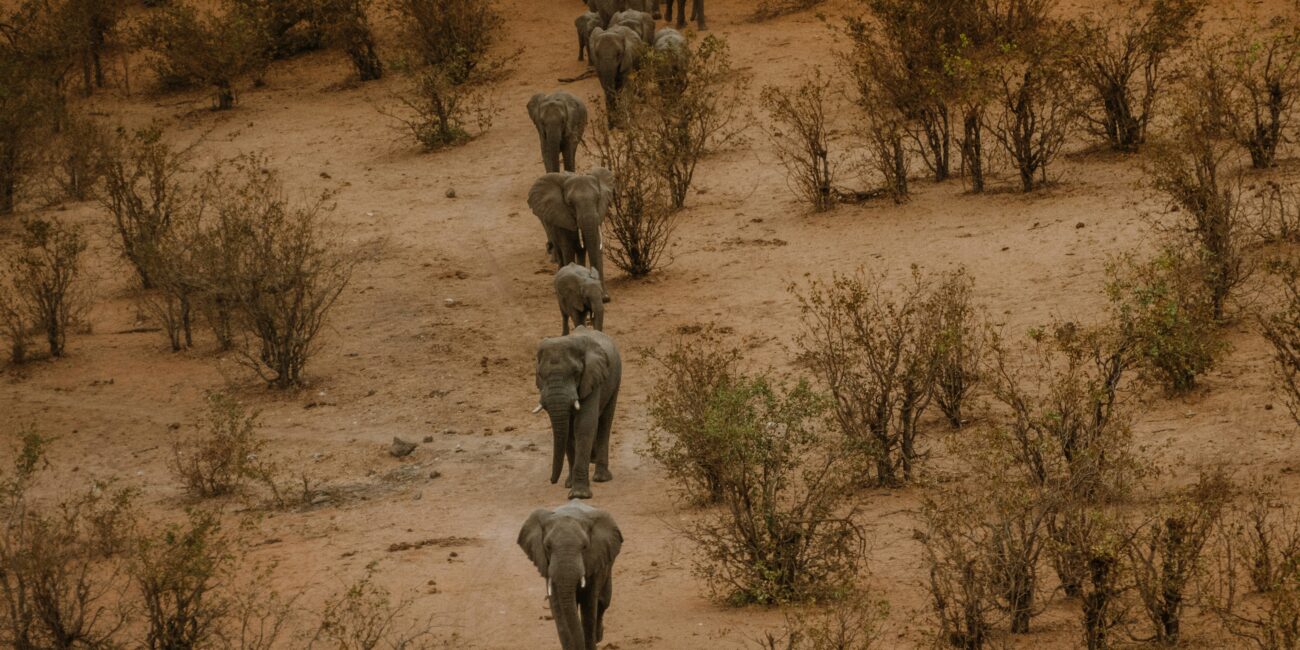
Family travel is more than just exploring new destinations; it’s about stepping out of the everyday routine to create lasting memories, strengthening bonds, and discovering the world together. Each adventure becomes a chapter in the story of your family's journey, where laughter, shared experiences, and even challenges along the way bring you closer, reminding you that the best parts of any trip are the moments spent with the ones you love.

Our favourite family destinations

Botswana

Costa Rica​

Ecuador and Galapagos

Indonesia

sOUTH aFRICA

Tanzania​

Stories from the wild

Carpathia Wildlife Watching JWP

In Conversation With Alastair Driver: Rewilding the Carpathians

In Romania’s Southern Carpathians, rewilding is not theory but lived reality. In this first instalment of our In Conversation With series, Professor Alastair Driver reflects on tracking European bison, witnessing extraordinary biodiversity and spending time with the conservationists restoring one of Europe’s last great wild landscapes. From intimate small-group access to hopeful models of nature recovery, this journey reveals what becomes possible when travel connects us directly to the people and places shaping a more regenerative future.
Zebra Migration JWP

Beyond the Great Migration: Following Nature’s Quieter Rhythms

Beyond the Great Migration, discover alternative wildlife migrations across the world. From Botswana’s zebra herds and Zambia’s bat migration to monarch butterflies, caribou, whales, flamingos and ocean-wide spectacles, this guide explores how following nature’s quieter rhythms leads to deeper, more meaningful and regenerative journeys.
Coastline of Mozambique, a perfect diving spot

Diving in Mozambique: Exploring One of the Indian Ocean’s Last Great Frontiers

Venture beyond the beaten path with diving in Mozambique, where remote reefs, slow exploration and conservation-led travel reveal the ocean at its wildest.
Man hiking on a luxury expedition in Patagonia

A Guide to Luxury Expeditions: Exploring the World’s Wildest Places

Inspire holidays of a lifetime with luxury expeditions that deliver life-changing travel experiences and unforgettable bucket list travel ideas in the world’s wildest places.

Join a global community of conscious travellers.

Sign up to our monthly field report to discover extraordinary projects, remarkable stories, and transformative experiences in wild nature.

Join a global community of conscious travellers.

Sign up to our monthly field report to discover extraordinary projects, remarkable stories, and transformative experiences in wild nature.

At a Glance: Fundación
Rewilding Argentina

1,850,000

…acres (or 750,000 hectares) of land protected.

264,000,000

…metric tonnes of carbon dioxide equivalent sequestered.

370,658

…acres donated for new parkland creation.

OUR FOCUS - THE IBERÁ NATIONAL PARK:

This extraordinary wetland, the largest in Argentina, is home to 30% of the biodiversity in the country including endangered species such as the pampas and marsh deer, the maned wolf and grassland birds like the strange-tailed tyrant.

In 2005, what was to become one of the largest rewilding programs in the Americas was started, with the goal of restoring keystone species that had been extirpated from Iberá through hunting and habitat loss and were extinct in the region, the Province or, in some cases, the country. 

As the rewilding program developed, the cultural identity of Iberá began to recover alongside the ecosystems and natural processes, impacting a total population of 100,000 people who surround the park.

Today, Iberá stands as one of the world’s most successful ongoing conservation missions.