At Journeys With Purpose, our journeys begin long before the client ideation phase. They start with time on the ground. With muddy boots on forest trails, conversations with local guides, shared meals, delayed journeys and moments of stillness that reveal what a place truly asks of those who visit.
In October, I travelled through Costa Rica on a familiarisation journey that took me from mist-draped cloud forests and coffee country to wild rivers and the remote Osa Peninsula. Costa Rica is often described as lush and vibrant, but it is not a destination that reveals itself quickly. It asks you to slow down, release expectations and allow nature to set the pace. Here, “Tico Time” is not a cliché. It is a way of understanding the world.
What began as research became something more personal. A reminder of patience, resilience and the quiet intelligence of intact natural systems. This field report follows that journey location by location, sharing practical insights, seasonal considerations and on-the-ground reflections from across Costa Rica to help shape more thoughtful, honest and purpose-led travel experiences.
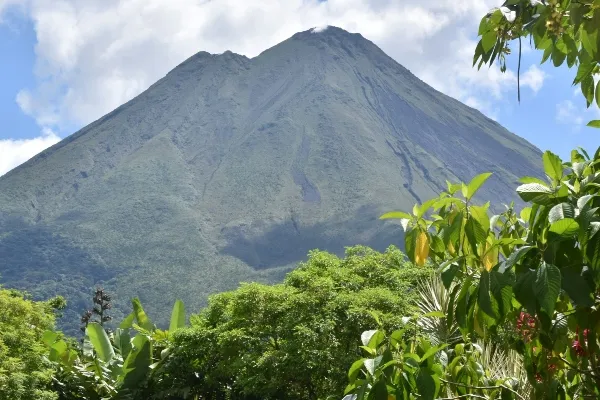
Manuel Antonio: Where Jungle Meets Sea
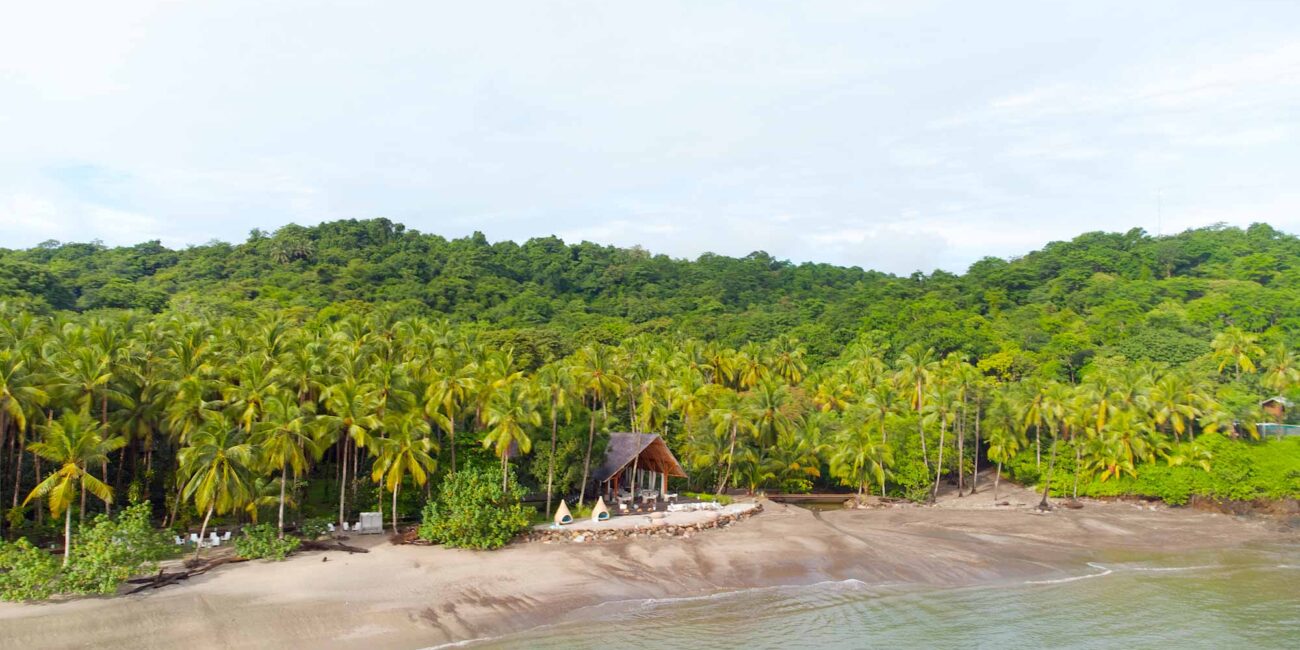
In Manuel Antonio, rainforest spills down toward the Pacific Ocean and wildlife feels ever-present. At Arenas del Mar, set between forest and beach, nature was always close. Sloths rested in nearby trees, monkeys moved through the canopy and the sound of the ocean formed a constant backdrop to daily life.
The location strikes a thoughtful balance. Close enough to local restaurants and shops to feel connected, yet far enough away to retain a sense of calm and immersion in nature. Rooms are spacious, the team attentive, and meals consistently well considered.
Travelling during the greener months offered valuable perspective. Seasonal rainfall brings the forest to life and deepens the sense of wildness, though it can also temporarily change ocean conditions, particularly after heavy rain. Beaches shift, water colour changes, and the landscape reminds you that it is alive and dynamic. Understanding these natural rhythms is key to enjoying Manuel Antonio at its best, and something we build into how we advise guests when choosing travel timing.
Santa Bárbara: Coffee, Clouds and Going with the Flow
The journey to Santa Bárbara was a lesson in one of Costa Rica’s defining qualities: flexibility. En route to Finca Rosa Blanca, a landslide transformed what should have been a straightforward drive into a much longer, winding journey through the mountains. By the time I arrived, night had fallen and the planned coffee tour had passed.
Yet the welcome was warm and unhurried. Comfortable rooms, good food and a relaxed atmosphere made it easy to settle in, even after a long day. The experience highlighted something fundamental about travel here. In mountainous regions, especially during the rainy season, the journey itself becomes part of the experience. Roads can be unpredictable, but they often lead to places of great character and depth.
For us, moments like this reinforce the importance of preparation and communication. When guests understand that travel times can be fluid, and that flexibility is part of the rhythm of the country, they are far more likely to embrace these moments as part of the story rather than a disruption to it.
Pacuare Lodge: Deep into the Rainforest
Some places fundamentally change how you think about travel. Pacuare Lodge is one of them.
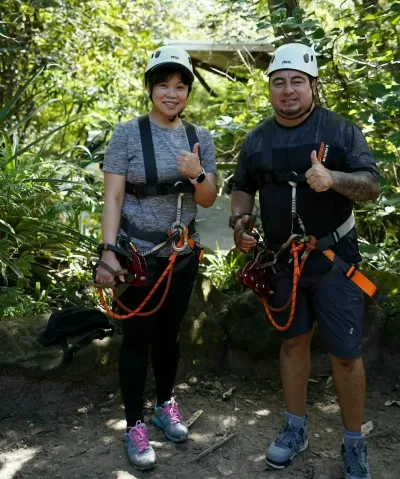
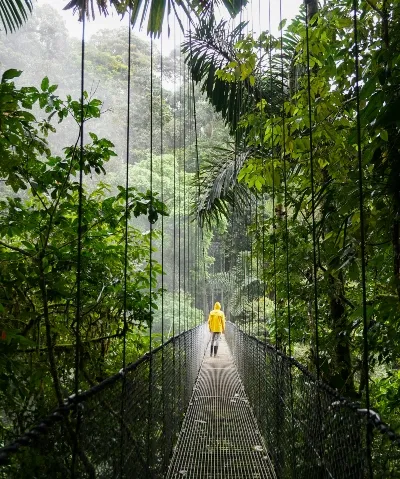
Arriving by raft along the Pacuare River felt like leaving the modern world behind entirely. High water levels made the journey faster and more exhilarating, yet the sense of immersion was immediate. Dense rainforest closed in on both sides of the river, and by the time we arrived, the outside world felt far away.
Everything on arrival was quietly and seamlessly handled. Bags were taken care of, warm showers awaited and lunch was ready. The lodge balances adventure and comfort with remarkable ease. Spacious rooms, excellent food and a team deeply connected to the surrounding forest create a feeling of belonging rather than luxury for its own sake.
Rafting out through Class IV rapids at the end of the stay was both thrilling and humbling, framed by dramatic rainforest scenery that stays with you long after you leave. Pacuare does not simply offer an experience. It leaves a lasting imprint, and arriving by river is an essential part of that journey.
San José: A Gentle Beginning
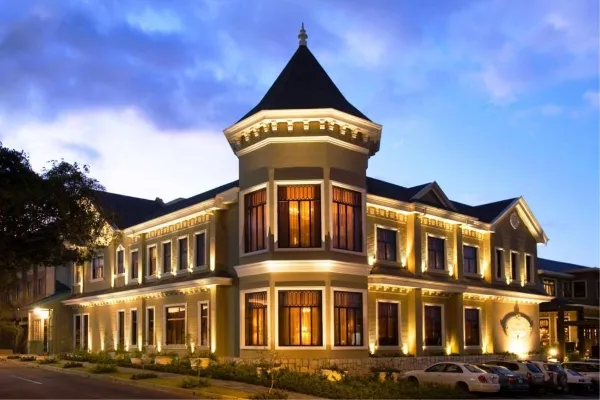
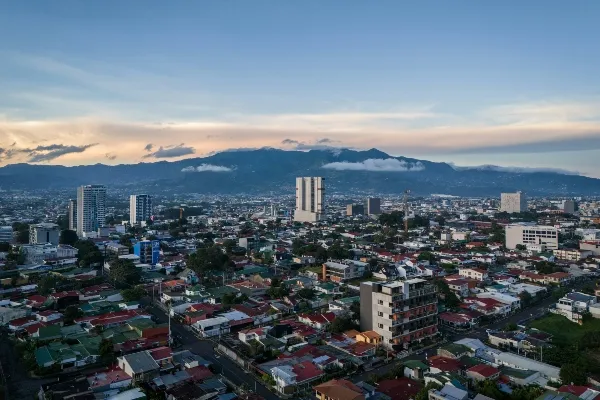
San José is often treated as a place to pass through, but arriving here felt grounding. I stayed at Grano de Oro, a small hotel on a quiet street close to the city centre. From the moment I arrived, the warmth of the team was evident.
The food blends French Mediterranean technique with tropical flavours, and the service feels personal rather than polished. With the General Manager present and engaged, it is clear this is a hotel run with care and intention.
San José offered space to pause before heading into more remote regions. A gentle beginning that allowed time to settle, adjust and ease into Costa Rica’s pace, reinforcing the value of allowing a journey to unfold rather than rushing straight into it.
Bajos del Toro and Tenorio: Waterfalls and Slowing Down
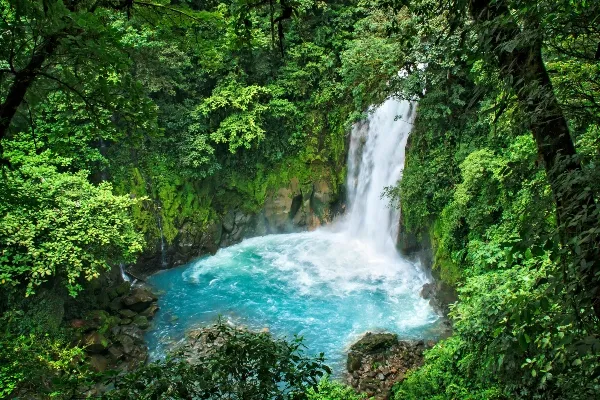
In the highlands of Bajos del Toro, El Silencio Lodge revealed a calmer, cooler side of Costa Rica. Misty forests, fresh air and a strong commitment to sustainability shape the experience. Conservation here is embedded into daily life, recognised through multiple Blue Flag awards rather than positioned as a headline.
Spacious rooms, private jacuzzis and excellent food provide comfort without excess, while activities are intentionally gentle. Walks, waterfalls and quiet moments encourage guests to slow down and reconnect with the landscape.
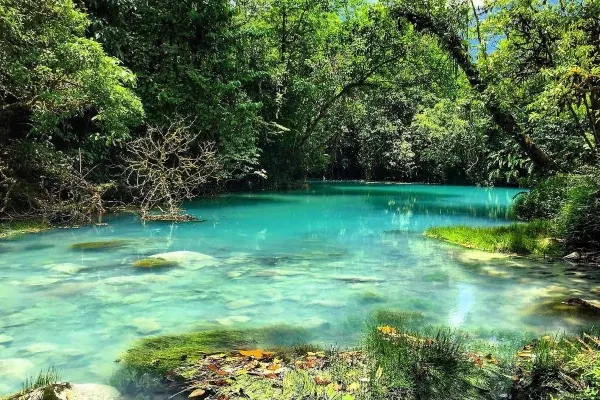
Nearby, Rio Celeste Hideaway sits at the edge of Tenorio Volcano National Park. Forest-facing rooms offer privacy, yoga sessions set a soft rhythm to the days, and the sound of the thermal river flows constantly through the property. Together, these regions offer a deeply restorative experience for travellers seeking stillness and immersion in nature.
Osa Peninsula: Costa Rica at Its Wildest
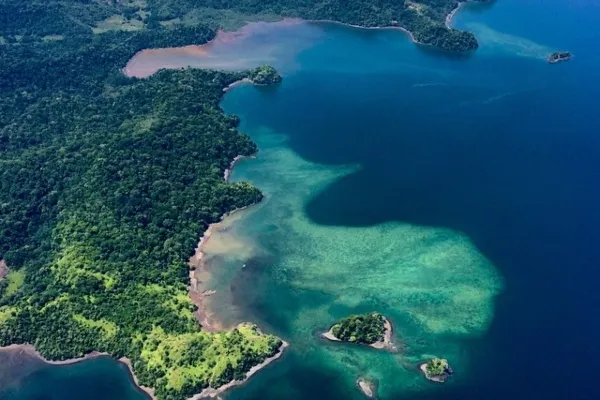
The Osa Peninsula feels elemental. Hot, humid and intensely alive, it is widely regarded as one of the most biologically diverse places on Earth.
At El Remanso Rainforest Lodge, the experience is intentionally off-grid and pared back. Outdoor showers, simple rooms and limited connectivity encourage genuine disconnection. For the right traveller, this simplicity is not a compromise but the appeal itself. The warmth of the team and the depth of guided rainforest walks brought the forest’s complexity to life.
At Lapa Rios, set high above the canopy, wildlife encounters were exceptional. Spacious bungalows, knowledgeable guides and a strong conservation ethos define the stay. The terrain is steep and physical, and guests need to be comfortable walking, something we always discuss openly to ensure the experience aligns with expectations.
Spending time with Osa Conservation was one of the most meaningful parts of the journey. From sea turtle protection to forest restoration, witnessing this work firsthand underscored how much care and commitment is required to keep places like the Osa truly wild. This is travel that actively supports protection, not just observation.
Reflections from the Field
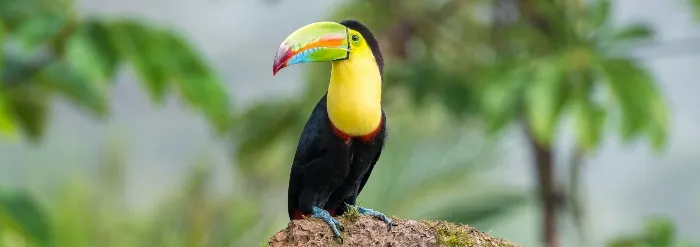
Costa Rica teaches you to let go. Rain slows you down. Roads encourage patience. Wildlife appears when you stop trying to control the moment.
This journey reaffirmed that Costa Rica is not a destination to rush. It rewards openness, flexibility and respect. From wild rivers to quiet cloud forests and the raw vitality of the Osa Peninsula, each place offered its own lesson.
For Journeys With Purpose, this field trip was more than research. It reinforced why we design journeys with care and honesty, creating experiences that respect both the traveller and the landscapes they visit.
When travel is grounded in respect, it does more than show you the world. It helps you understand your place within it. Costa Rica offers something for every traveller. What matters most is how you choose to experience it.