Across the world’s wildest places, a quiet shift is underway. Travellers are seeking deeper connection, lighter footprints and more meaningful travel experiences. This is leading to a rise in vehicle-free travel, a way of exploring that is gentler on the land and richer for the soul.
A vehicle-free holiday invites us to slow down, listen and experience nature with all our senses. It’s not just a trend, it’s a paradigm shift toward more intentional, regenerative tourism.
Our Impact Ambassador, Lorna Buchanan-Jardine on the power of vehicle-free travel:
“Using our physical bodies to move between places heals us at a cellular, mental and spiritual level. Going without mechanical engines opens our ears to the sounds of nature and culture all around us, and stepping outside of vehicles immerses us in the life and people we crave to discover, and interact with, on adventures to new places”
If you’re curious about travelling with purpose, this is where the future is headed.
Travelling Lightly: Why Vehicle-Free Travel Matters
Vehicles have their place in tourism, but even the most responsible game drives create noise, movement and distance. Vehicle-free travel, however, allows us to return to a more instinctive way of exploring.
On foot, horseback or water, we:
- release far less carbon
- create minimal disturbance for wildlife
- move at a natural, peaceful pace
- feel more fully immersed in the landscape
- support local, place-based guides
- notice more, learn more and connect more profoundly with our environment
A vehicle-free holiday or safari is not about covering ground quickly; it’s about experiencing it more deeply.
If you’re looking to reduce your travel impact while amplifying your sense of connection, consider making vehicle-free experiences part of your next journey.
Sri Lanka: A Vehicle-Free Lake Safari with Swimming Elephants
In Gal Oya National Park, one of Sri Lanka’s most remarkable wildlife encounters unfolds entirely vehicle-free. From a small boat, travellers glide quietly across the lake as herds of elephants swim nearby. Experiencing elephants in this capacity is a true rarity.
Without the hum of engines, the landscape feels still and intimate. Kingfishers flash across the water. Egrets lift from the reeds. Wildlife remains undisturbed.
If you’re seeking a vehicle-free holiday that blends wildlife, culture and conservation, start with Gal Oya’s lakeside safaris guided by expert naturalists. Speak to our team today to start planning your own journey here in 2026!
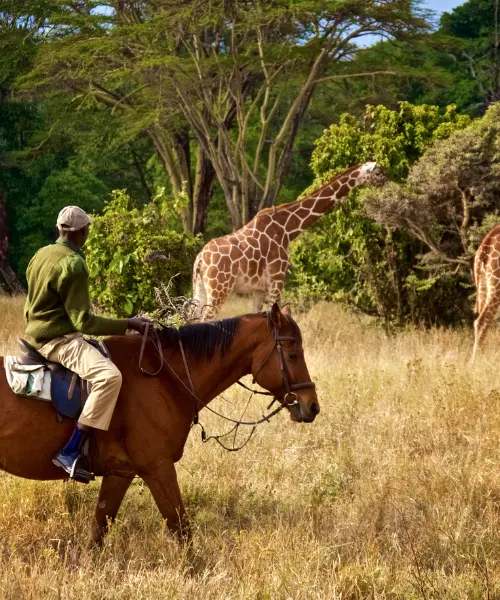
Kenya: Horseback Safaris on Borana Conservancy
For travellers drawn to adventure, Borana Conservancy’s Riding Wild is one of East Africa’s most inspiring examples of vehicle-free travel. Horseback safaris here allow you to move across the land exactly as wildlife does, quietly and respectfully.
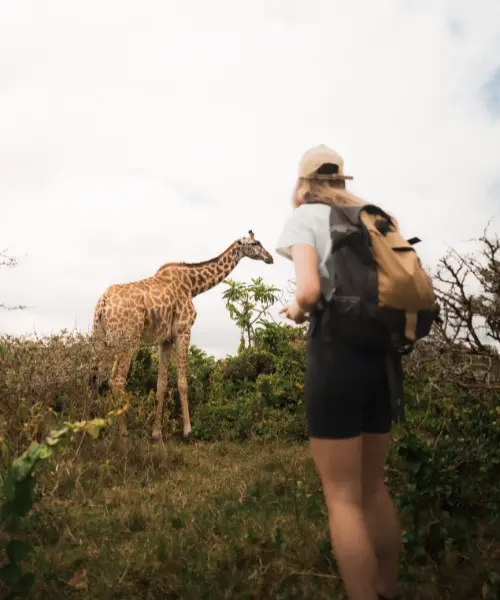
Giraffes pause but do not flee. Rhinos remain calm in the shade. Zebra herds continue grazing as you pass on horseback. Here, riding is more than a mode of transport: it’s a dialogue with the land.
If you’re dreaming of a vehicle-free holiday that blends conservation, culture and connection, we can help design a riding safari tailored to your experience level.
Borneo: River Safaris Beneath the Canopy
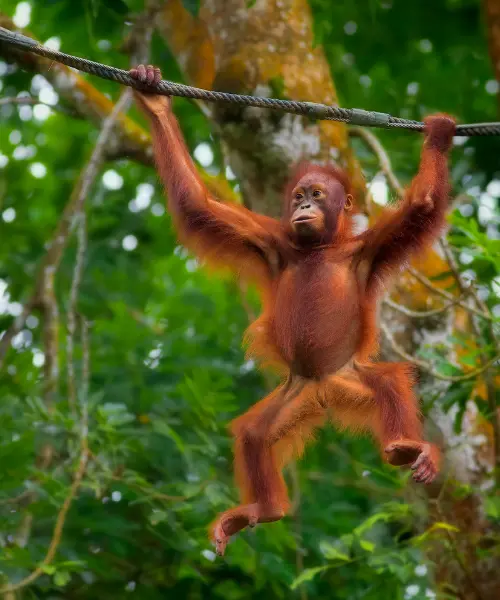
In the rainforests of Borneo, the river is the most sustainable and sensitive way to explore in tune with the rhythms of the land. Moving slowly by boat gives travellers a chance to witness orangutans feeding high in the canopy, proboscis monkeys leaping through trees and hornbills gliding overhead.
This is vehicle-free travel in its most elemental form: quiet, sensory and respectful.
If a river-based vehicle-free holiday appeals to you, we can guide you to lodges and experiences that directly support orangutan conservation and community-led forest protection.
Zimbabwe & Botswana: Canoe Safaris on the Zambezi
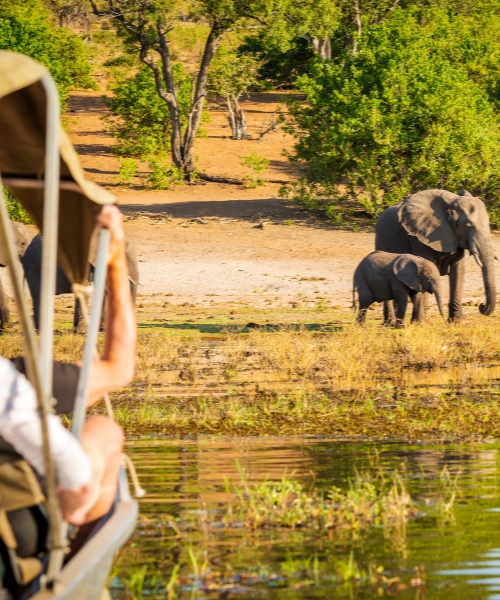
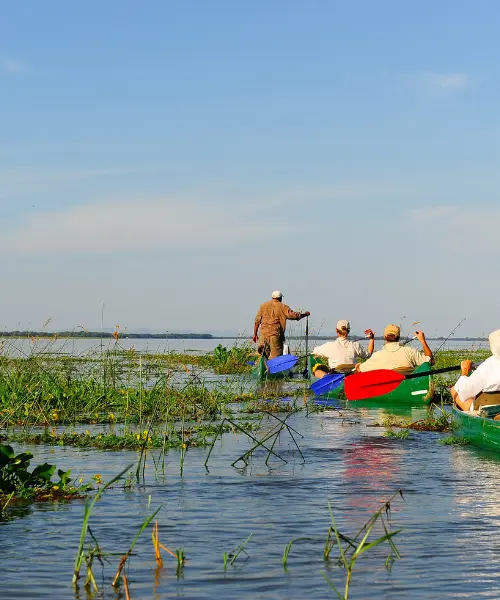
On the legendary Zambezi River (near Matetsi, Victoria Falls, or deep into Mana Pools) canoe safaris offer one of Africa’s most extraordinary vehicle-free travel experiences.
From the water, travellers watch elephants drinking at the shoreline, hippos surfacing in slow motion and fish eagles calling across the floodplain. Without engines or tyres, wildlife behaves naturally and travellers feel fully part of the landscape.
If you’re drawn to slow, meaningful exploration, consider making canoeing the heart of your vehicle-free holiday in Southern Africa.
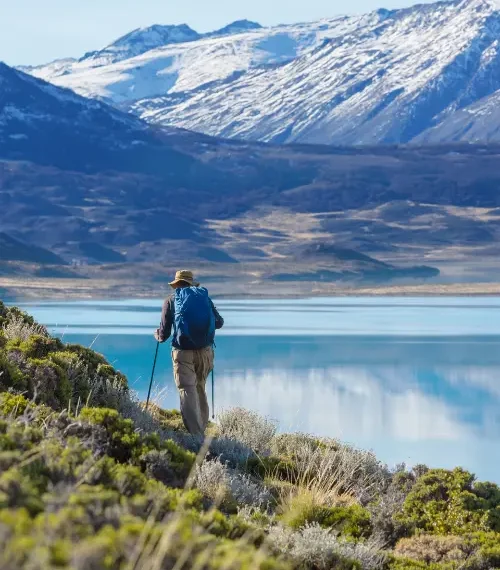
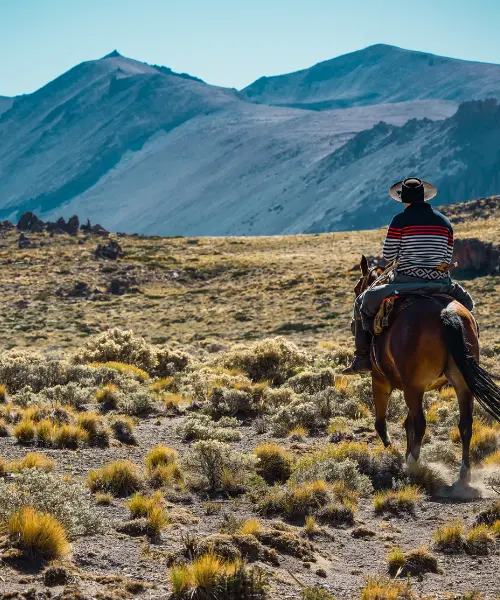
Patagonia: A Landscape Best Discovered on Foot
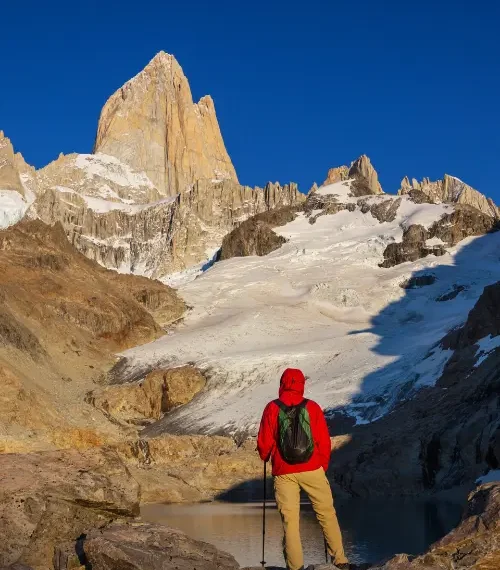
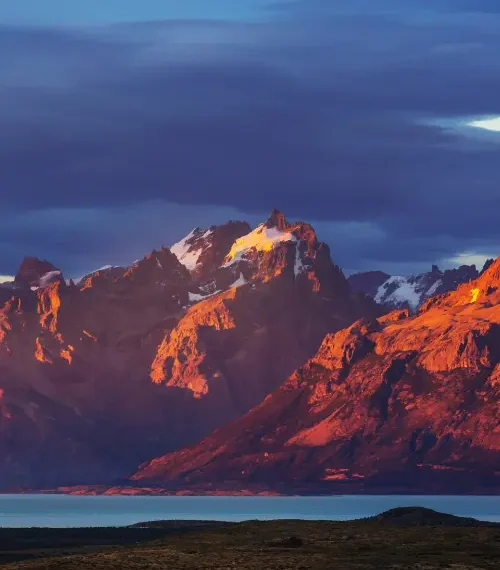
In Patagonia, the land reveals itself one step at a time. From the granite towers of Torres del Paine to the glaciers of Los Glaciares, hiking is the purest form of vehicle-free travel. It’s immersive, reflective and deeply connected to the place. Each trail offers a lesson: in geology, in ecology, in stillness and in wonder.
If you’re seeking an active vehicle-free holiday that blends wilderness, culture and world-leading conservation, Patagonia offers some of the most rewarding journeys on Earth. Katya, our Impact Journey Specialist and Natalia, our Head of Marketing recently experienced its magic for themselves. They’d love to help you follow in their footsteps.
Why Vehicle-Free Holidays Are the Future
Across continents and ecosystems, vehicle-free travel is becoming one of the most effective ways to reduce our impact while enriching our experience.
In a world where tourism is often rushed, curated and screen-led, vehicle-free travel helps us return to something essential: being present.
Ready to Experience a Vehicle-Free Holiday with Purpose?
Vehicle-free travel isn’t about doing without, it’s about gaining more.
More connection. More immersion. More understanding of the land and the people who protect it.
If you’re ready to design a journey that treads lightly and feels deeply, our specialists can craft a purpose-led, vehicle-free holiday across any of these destinations.