Some landscapes change how you think. Others change how you feel about what is possible.
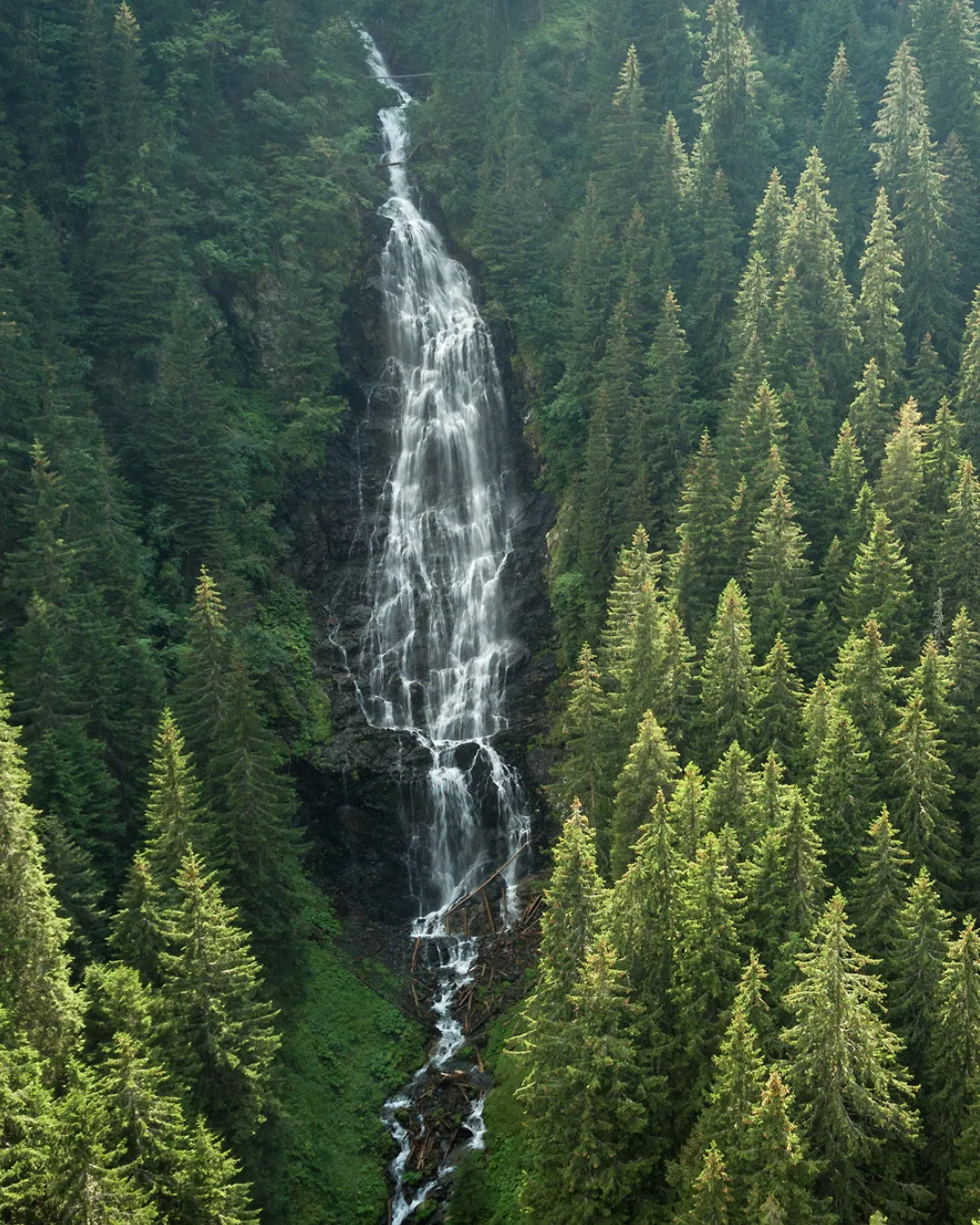
The Southern Carpathians of Romania do both. Vast forests stretch across rolling mountains and flower-rich meadows hum with life. European bison move quietly through ancient woodland. Butterflies gather in astonishing numbers.
Wolves, bears and lynx still shape the land as they have for millennia. This is one of Europe’s last truly wild places, and it is here that in 2024 Journeys With Purpose hosted a small group journey in partnership with Foundation Conservation Carpathia.
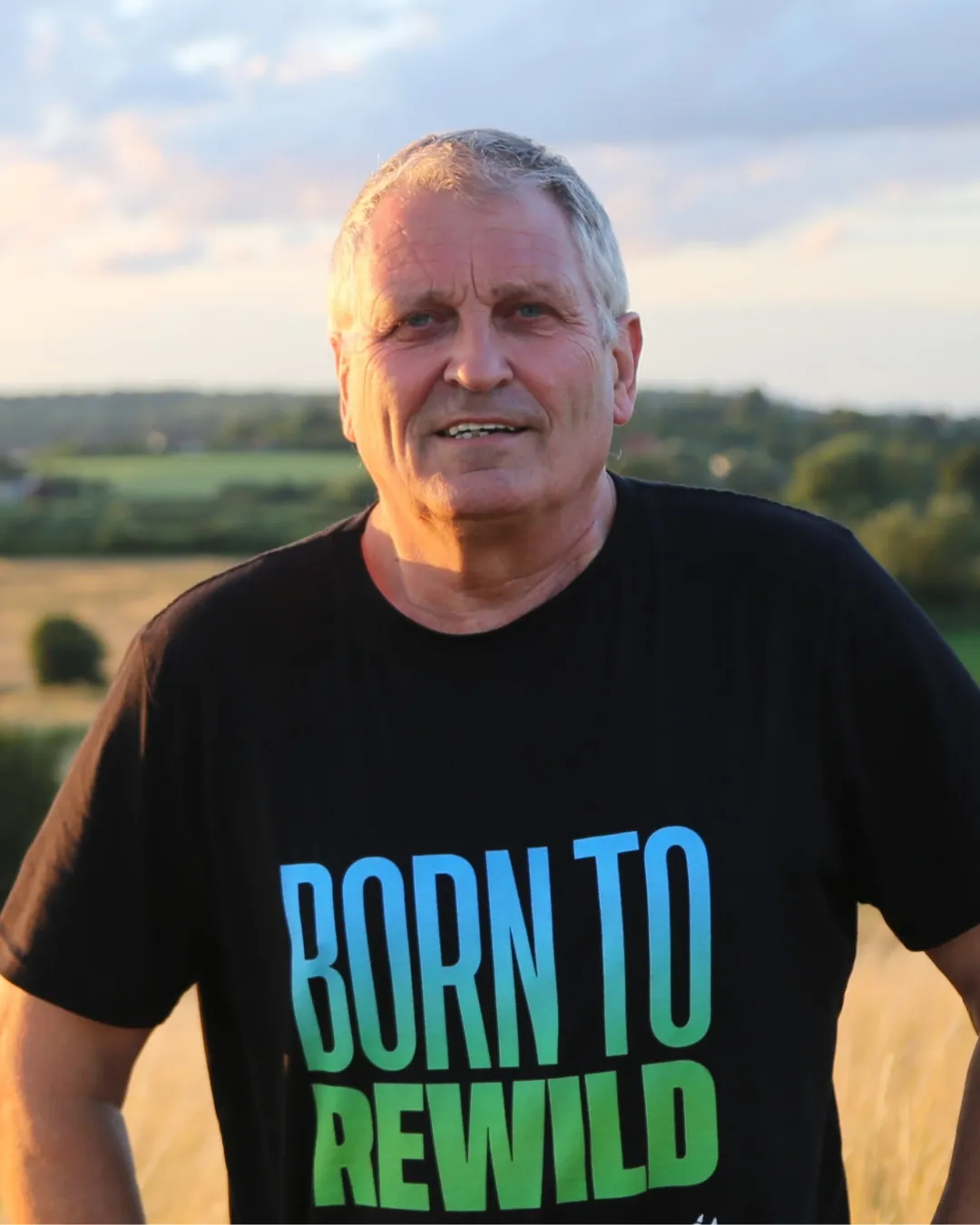
As part of our new In Conversation With series, we sat down with Professor Alastair Driver, ecologist, conservationist and one of the UK’s leading voices in rewilding, to reflect on the journey, the work unfolding in the Carpathians, and why experiences like this matter now more than ever.
For Alastair, the trip aligned seamlessly with both his professional focus and personal motivation. “It was my first outing with Journeys With Purpose”, he told us, “and it absolutely chimed with what I’m trying to do in my own life, which is to restore nature at scale”. After more than a decade working on rewilding projects, he arrived with high expectations. Those expectations, he says, were more than met.
“My expectations were high”, he reflected, “but they were probably superseded. We saw absolutely everything that I could have hoped for”.
A Landscape Alive With Possibility
The Carpathians are not a rewilding experiment in theory. They are a living, breathing example of what happens when ecosystems are given space to recover and people are invited to be part of that process. Walking through the meadows, Alastair was struck by the richness of life concentrated in a single place.
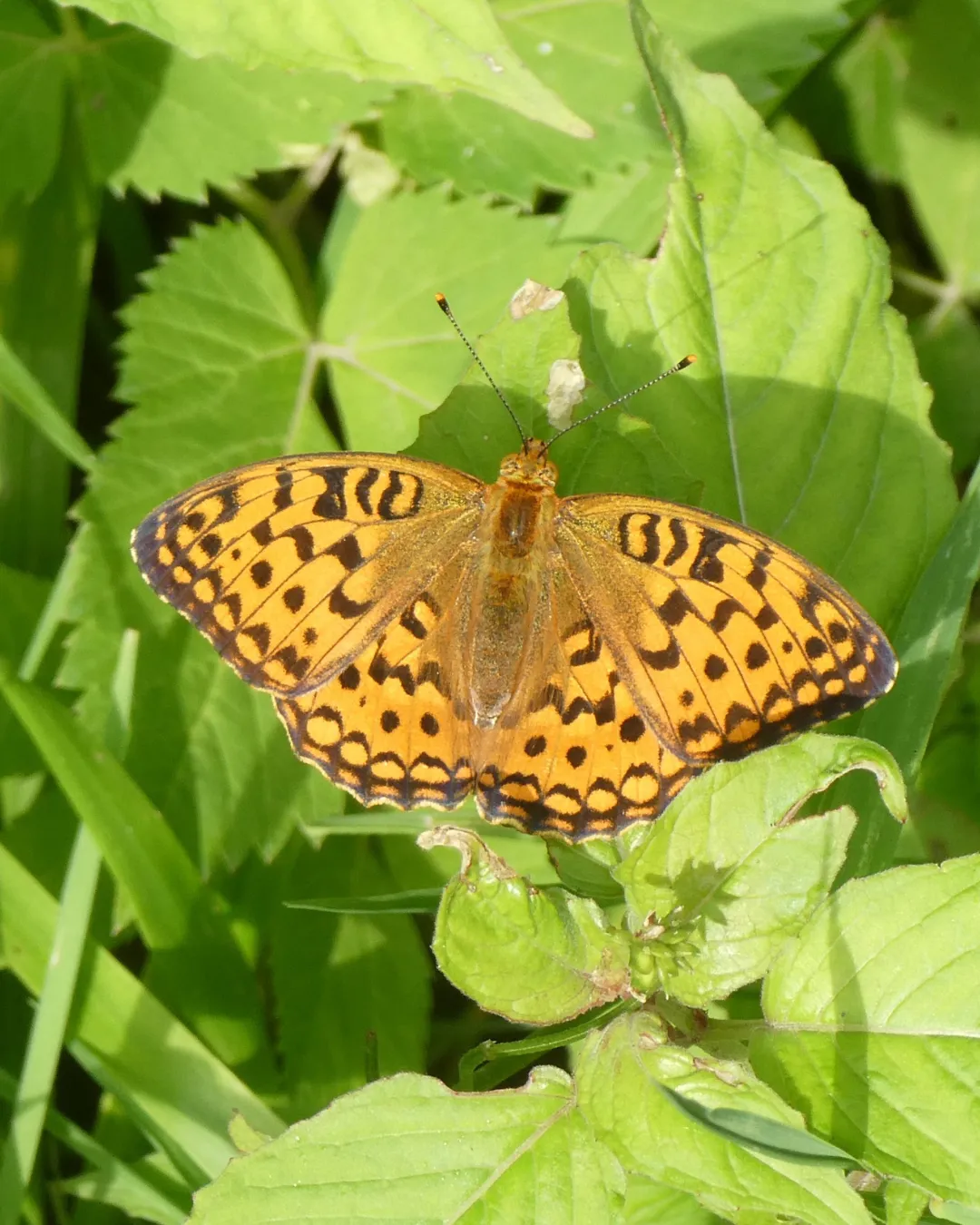
“When you go to that place, they’re all in the same meadow”, he explained. “All these species together at the same time. I think I had six or eight species of fritillary butterflies in half an hour”. Even with his deep knowledge of European botany, the experience was overwhelming. “I knew about the astonishing botanical diversity of some of those meadows”, he said, “but it still blew me away”.
These are habitats that have not been simplified or stripped back. As Alastair put it plainly, “these habitats are totally natural and pure and healthy”. Seeing this level of abundance, he believes, is critical for shifting perceptions of what nature recovery can look like in Europe.
Tracking Bison and the Thrill of the Unknown
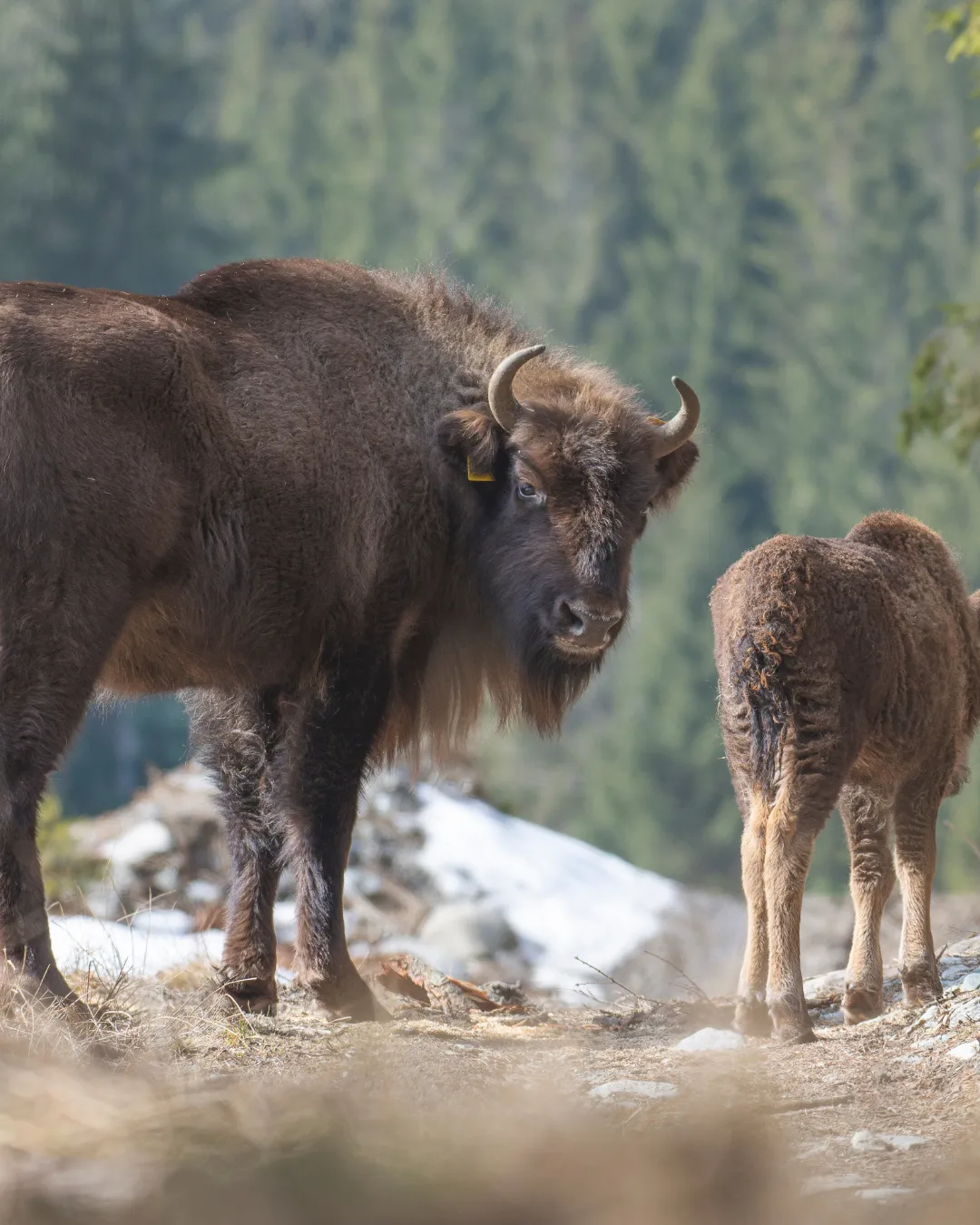
One of the defining experiences of the journey was tracking European bison through the forest, an animal once extinct in the wild and now carefully reintroduced to the Carpathians. The process was not choreographed. There were no guarantees.
“The thrill of the chase”, Alastair recollected, “knowing that you’re tantalisingly close to something, and yet you still can’t see it”.
One day, the group followed tracks deep into the forest, adapting plans as new information emerged. “The flexibility of the way the trip was run meant that we decided we would spend time tracking these animals when we weren’t necessarily definitely going to go to that area”, he explained. That freedom to follow curiosity rather than a fixed itinerary became one of the journey’s defining strengths.
When the bison finally appeared, the impact was profound. “I’ll never forget that for the rest of my life”, Alastair said. “We went on this wild goose chase all the way around through the forest, and it served to remind us how wonderfully adapted these creatures are to their environment”.
Why Small Groups Matter
The intimacy of the journey played a crucial role in shaping the experience. With just four guests, alongside Alastair himself, the dynamic was unusually personal.
“It was almost one-to-one in terms of guides”, he noted. This created space for questions, learning and shared observation. Everyone in the group arrived curious, engaged and eager to understand the landscape around them. “What made it continually exciting”, Alastair said, “was knowing that every step of the way we were going to experience something new and special”.
That sense of constant discovery is central to how Journeys With Purpose designs its journeys. Access is not just about reaching remote places. It is about opening doors to deeper understanding.
Learning From the People Making it Happen
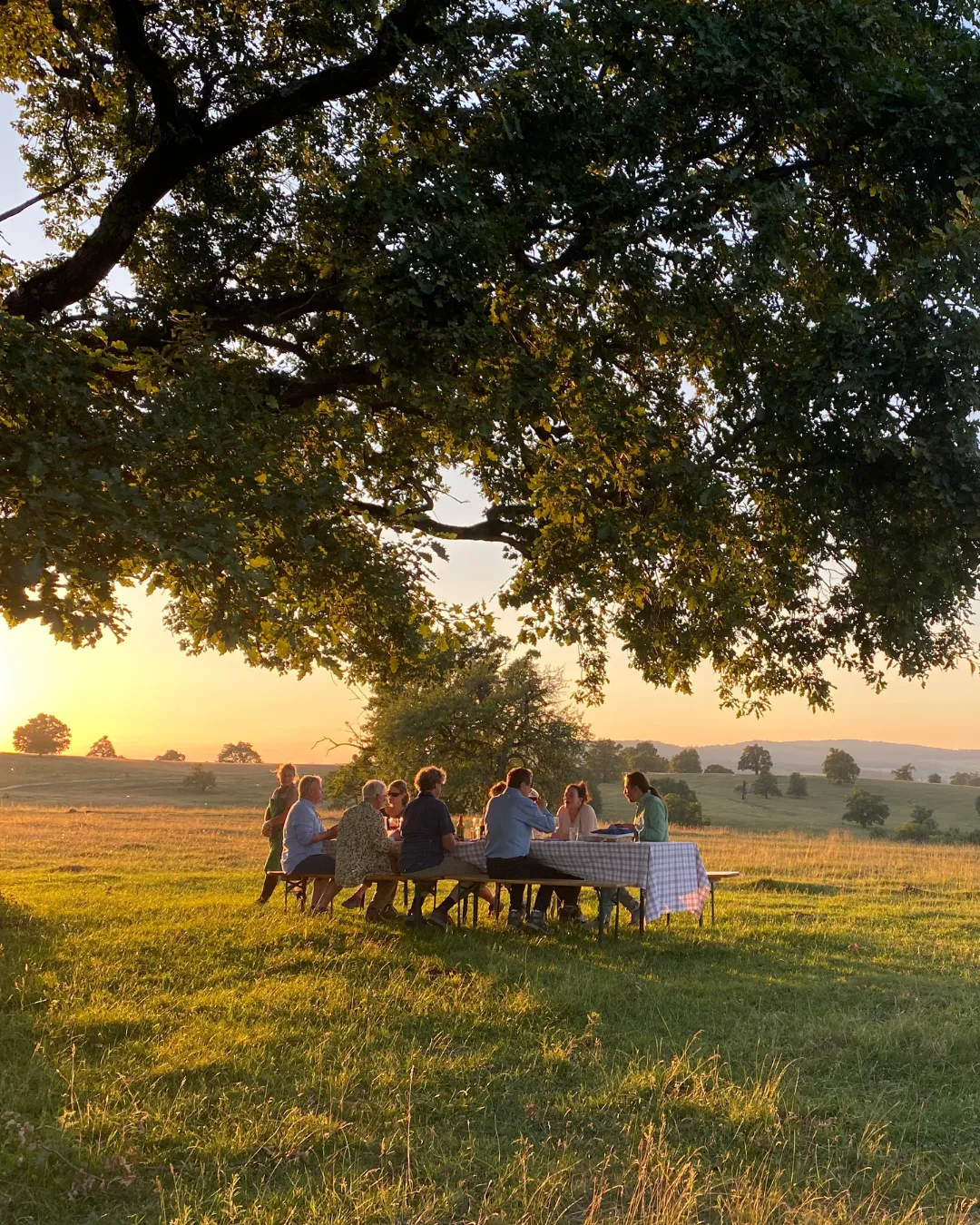
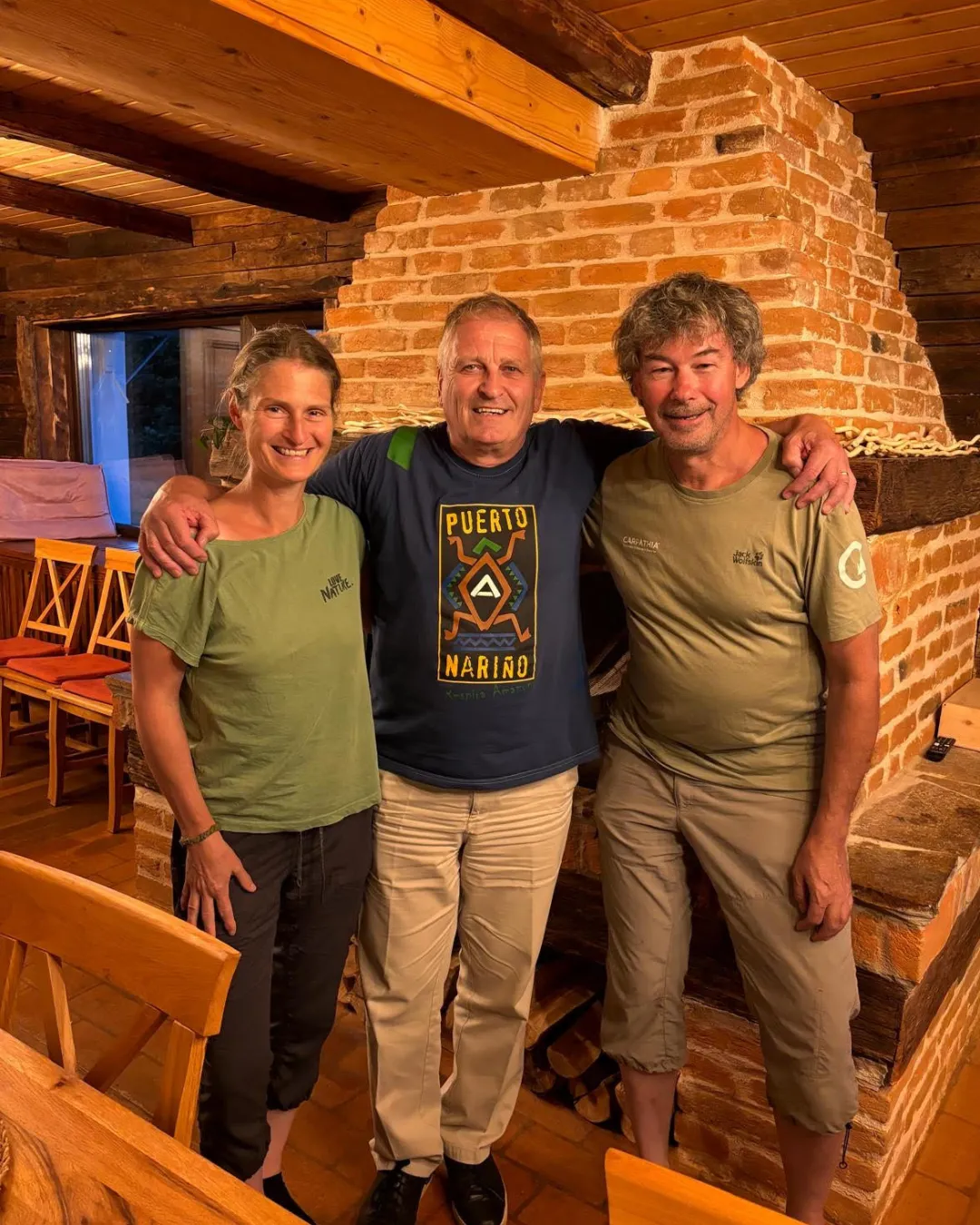
Perhaps the most valuable element of the journey was time spent with Christoph and Barbara Promberger, founders of Foundation Conservation Carpathia. Their presence transformed the experience from observation to insight.
“Having Christoph and Barbara with us for the best part of a week was outstandingly valuable”, Alastair told us. “They know the area inside out. They’ve done all the work. Being able to quiz them and have a dialogue about their work was valuable for everybody, but especially for me”.
Their approach to rewilding goes beyond ecology. A key focus of Conservation Carpathia’s work is integrating local communities into a new, nature-positive economic model. “They have worked extra hard to integrate local small businesses and farmers”, Alastair explained. “They deliberately found funding to support small businesses, from bottling plants to artisan workshops”.
For Alastair, this matters deeply. “It’s brilliant because it demonstrates that you can have a just transition”, he said. “From a strictly farming and forestry economy to one that is more sustainable and in harmony with nature, if you bring in light-touch nature tourism”.
Hope, Inspiration and What Comes Next
When asked about the lasting impact of the journey, Alastair did not hesitate. “I cannot imagine anyone doing that trip and not being inspired by what can be done for nature”, he said. “And inspired by the knowledge that humans can coexist side by side with amazing biodiversity”.
For someone who spends much of his time confronting environmental loss, that sense of hope is powerful. “Being able to experience rare and special things that I’ve not seen before in abundance”, he reflected, “is a huge injection of adrenaline for me. It makes me want to go home and do more, and do better”.
This is precisely what Journeys With Purpose hopes to create through its In Conversation With series. Not just stories of remarkable places, but insight into the people restoring them, and the ideas shaping a more regenerative future for travel.
As our Impact Ambassador Alastair’s reflections from the Carpathians remind us, when access, knowledge and connection come together, travel can do far more than inspire wonder. It can shift what we believe is possible.
Interested in a rewilding journey?
Get in touch with our expert travel team today on 020 3544 8137 or connect@journeyswithpurpose.org to begin creating your dream trip.