National parks have always carried a certain ambivalence.
They are celebrated as sanctuaries for wildlife and biodiversity, yet their history is often rooted in exclusion. Many were created through fortress conservation models that displaced Indigenous peoples and separated communities from the lands they had stewarded for generations. This history matters because it influences how we understand the importance of national parks today. It also shapes the question at the heart of modern conservation: how can we protect nature without repeating past harms, and how can these places become landscapes of hope rather than boundaries of restriction?


National Parks as Catalysts for Community-Led Conservation
Across the world, a new generation of protected areas is offering a different answer. These national parks are being designed with communities rather than against them. They recognise that the ecological importance of national parks is inseparable from the people who rely on them, remember them and fight for their protection. They are not static monuments but evolving systems where restoration, local leadership and ecological recovery go hand in hand.
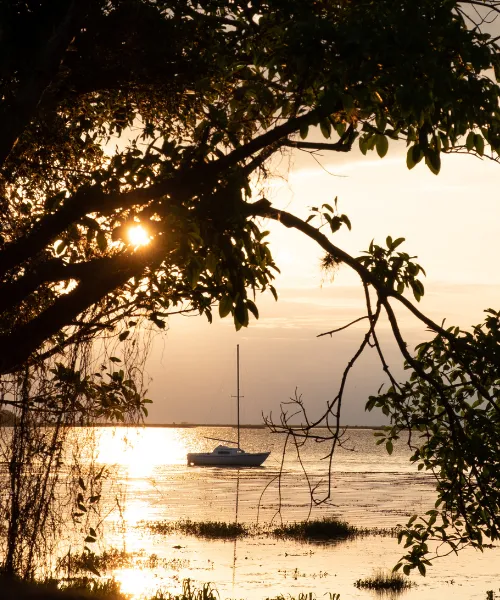
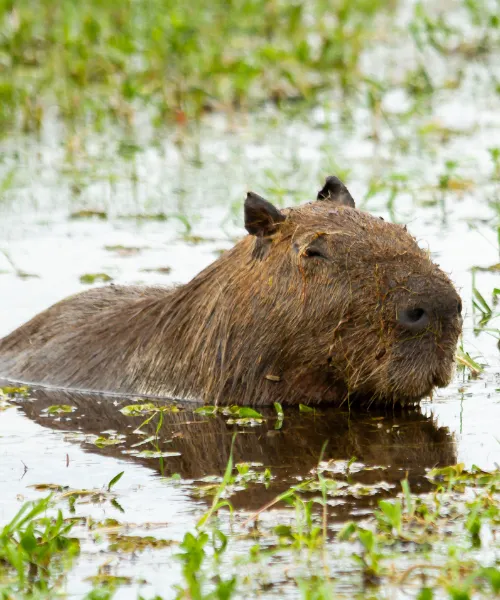
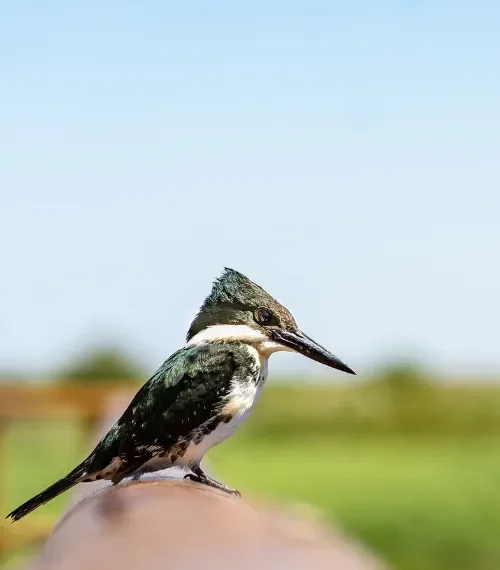
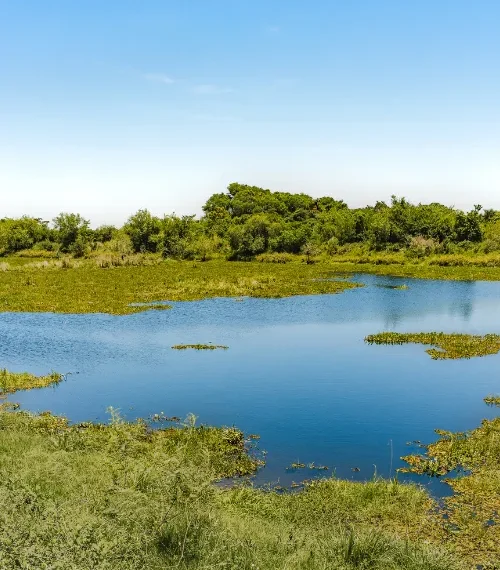
One of the clearest examples of this transformation is unfolding in the Iberá Wetlands of Argentina. What was once a depleted landscape, shaped by decades of hunting and habitat loss, has become one of South America’s most inspiring rewilding stories. Iberá National Park is now one of the most celebrated achievements in rewilding Argentina, jaguars have returned after seventy years, giant anteaters once again forage in the grasslands and red-and-green macaws colour the skies with their flight. The revival of these species is not only a triumph for national parks wildlife. It is proof that when communities, governments and conservationists work together, nature can recover with astonishing resilience.


The return of Iberá’s wildlife has also brought renewal for the people who live there. Community-led tourism provides livelihoods that depend on the health of the park. Young guides build careers around ecological knowledge. Local families share cultural traditions with visitors who come to see a landscape reborn. The importance of national parks becomes more than ecological. It becomes social, cultural and generational.
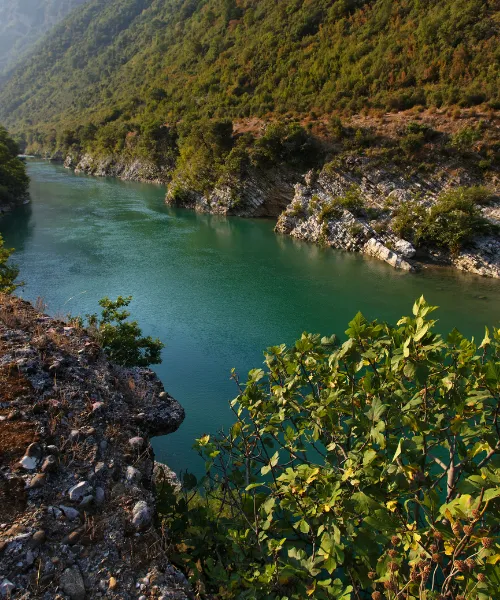
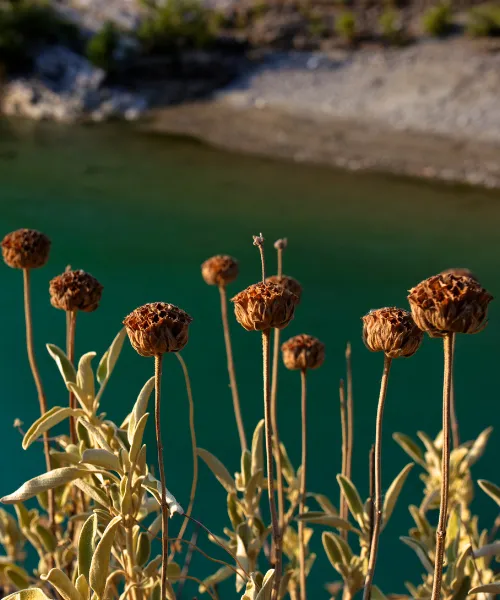
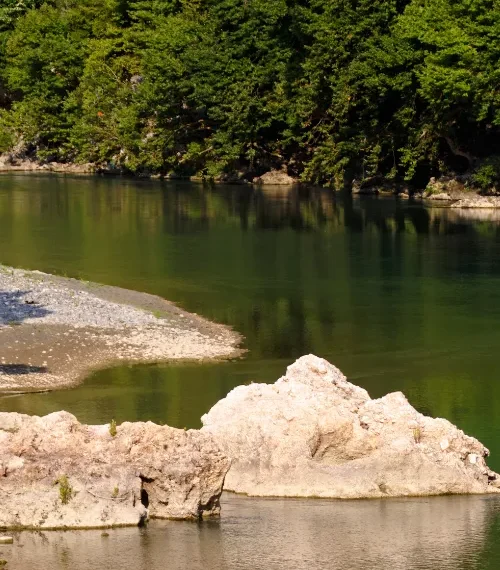
A similar story of hope has taken shape along the banks of Europe’s last wild river. The Vjosa in Albania flows freely from its source in the Pindus Mountains to the Adriatic Sea. For years it was threatened by a series of hydropower projects that would have fractured its ecosystem. Local communities, environmental groups such as EcoAlbania and international partners refused to let this happen. Their persistence led to the creation of the Vjosa Wild River National Park. It is the first protected area of its kind in Europe and a milestone in the global movement for free-flowing rivers.
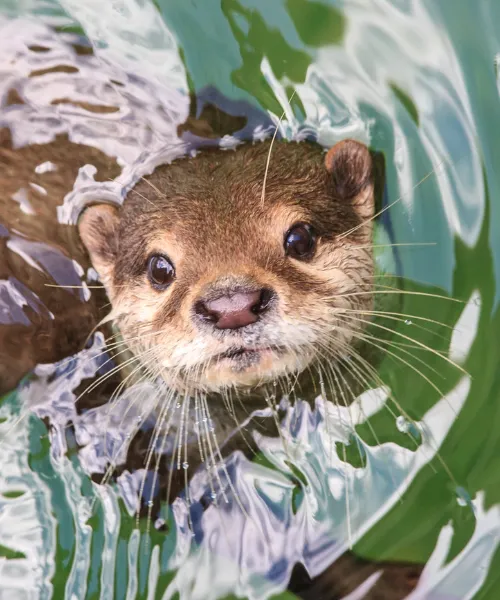
The Vjosa today is a living example of the ecological importance of national parks in protecting entire systems rather than isolated fragments. Its wildlife includes otters, wild trout, migratory birds and rare aquatic plants that depend on the river’s uninterrupted rhythm. The park safeguards not only biodiversity but also the cultural identity of the communities who have lived with the river for centuries. It is a reminder that national parks succeed when they honour the human relationships that have shaped these landscapes long before modern conservation began.
Why National Parks Matter More Than Ever
These examples reveal an important shift. National parks are no longer simply areas of land marked on a map for preservation. They are dynamic places where ecological restoration, climate resilience and community empowerment intersect. They show that wildlife rebounds when habitat is restored and human pressure is reduced. They show that local people are often the strongest protectors of these places. They show that hope is not abstract but measurable.
The importance of national parks is deepening as the planet faces unprecedented ecological change. They store carbon, safeguard water systems, maintain genetic diversity and provide refuges for species moving in response to climate shifts. Their value is scientific, emotional and practical. They remind us that recovery is possible when we commit to protecting the conditions that allow life to flourish.
The Importance of National Parks
At Journeys With Purpose, we partner with projects and people who are redefining what national parks can be in the twenty-first century. The Iberá Wetlands and the Vjosa River stand as reminders that conservation does not have to choose between nature and people. When these landscapes are protected with communities, not against them, national parks become powerful engines of regeneration.
If you feel inspired to experience these landscapes for yourself and witness the ecological importance of national parks firsthand, our team can help you design a journey that supports their continued restoration while nurturing your own connection to the wild. Reach out to our team of impact journey specialists today to begin planning your own transformative journey into the wild via connect@journeyswithpurpose.org.
Interested in National Parks?
Journeys With Purpose offers private, conservation-minded family journeys around the world, with tailor-made itineraries built around your passions. We also plan hosted journeys – get in touch with our expert travel specialists today on +44 20 8044 9538 or at connect@journeyswithpurpose.org.