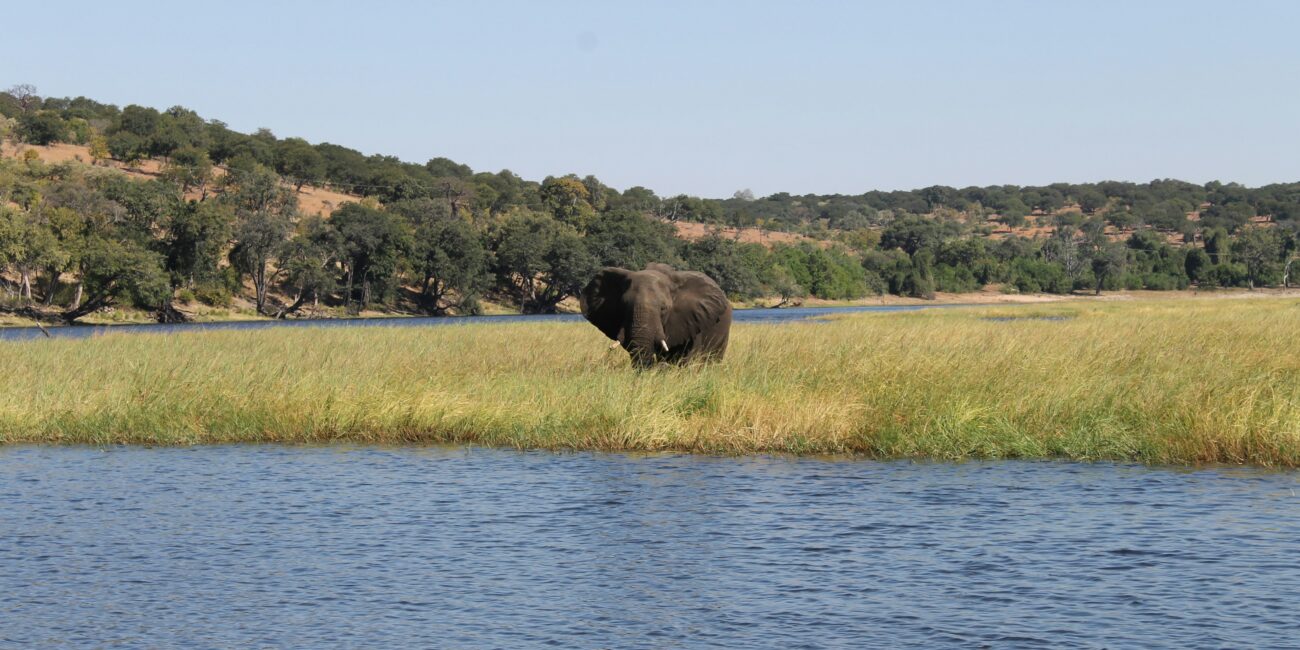
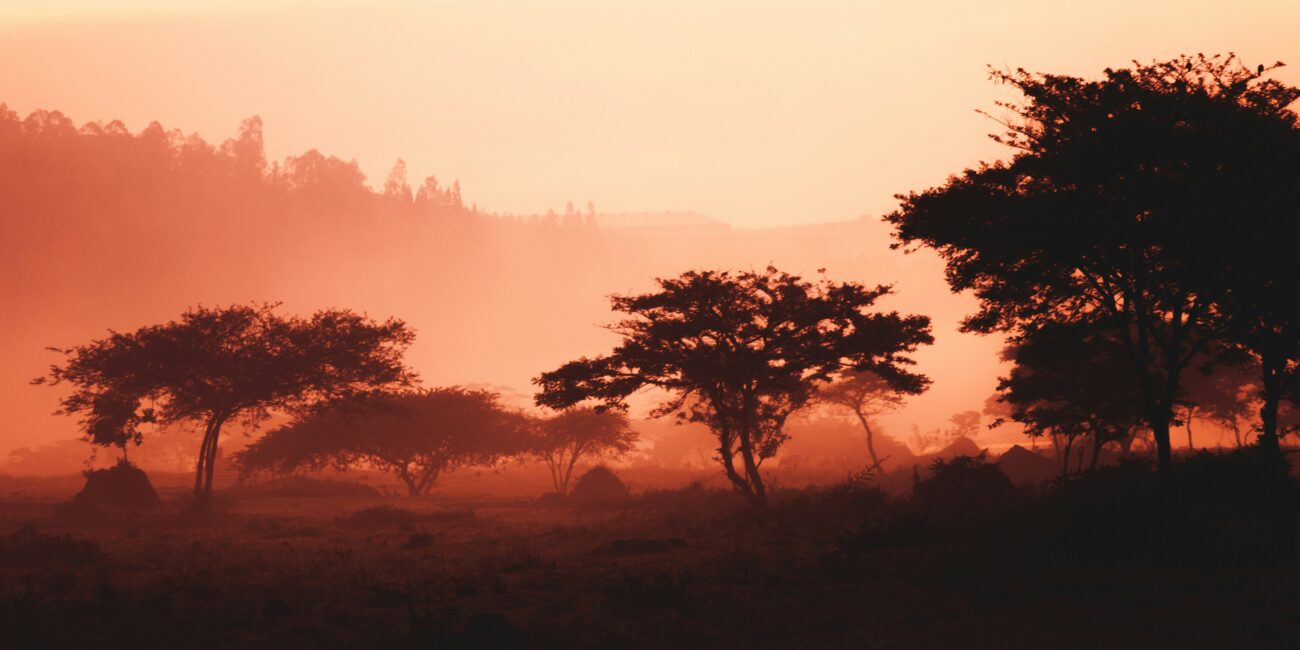
Imagine a place where sweeping green hills and mineral-rich lakes are framed by tree-cloaked mountains. This is the kind of landscape which ushers you in with a silent resonance.
Between the vibrancy of Rio and the industrial streets of Belo Horizonte, Ibiti moves at a different rhythm. Here, a rewilding project, a regenerative farm, a hospitality venture and a cluster of purpose-driven enterprises sit within 6,000 hectares of protected reserve – all shaped by a simple philosophy: when nature thrives, we thrive with it.
The Regenerative Heart of Ibiti
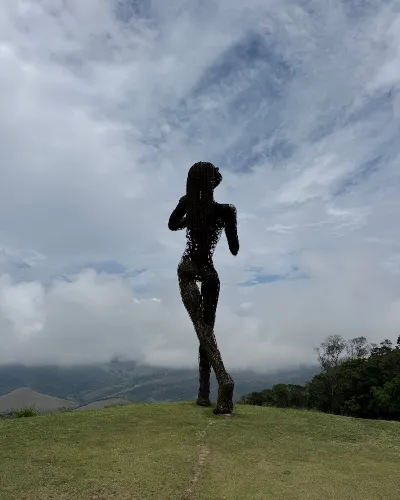
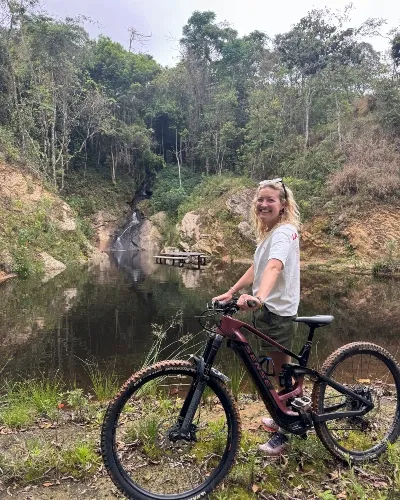
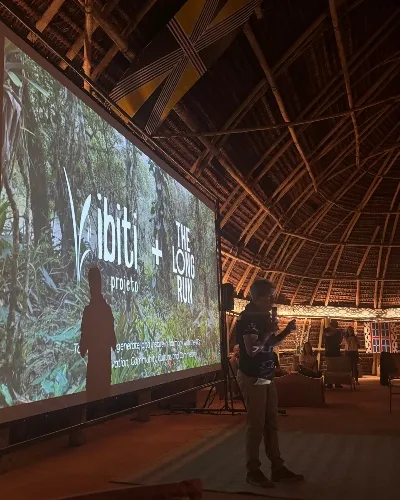
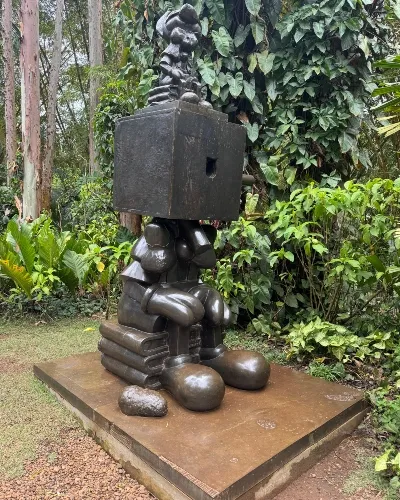
Over four days, we hiked through shaded trails and plunged into sediment-rich pools, refuelling our bottles with pristine spring water fresh from the falls. We ruminated under majestic 30-foot sculptures, and nattered over nourishing feasts, rounded off by irresistible dulce de leche fudge, on salt-white riverbanks. We were a group of business leaders coming together for The Long Run AGM, a network of impact-led organisations shaping travel and hospitality across a philosophy known as “the 4 Cs”.
To stay here was a much-welcome tonic to city life, and I left feeling renewed and deeply inspired – not only by the project, but by the individual characters who shared their world with us. Through every conversation there was a tangible sense of ambition, passion and a collective commitment. No action too small, no idea too outlandish.
Ibiti's Evolution and Impact
Ibiti started as Ibiti Project, an experimental holistic project to conserve and restore degraded land. Today, it has more than 98% of the land in regeneration and has embarked on a large-scale rewilding initiative, bringing back native fauna, including paca, puma, northern muriqui (a critically endangered primate), and other species.
Back then, no one spoke English. It is now the major employer for the local village of over 300 inhabitants. In the Life School it provides nature-based education to children from three years old, has embedded circular economy programmes (zero waste, solar energy, ecological sanitation), and a carbon footprint offset via “Eco Print,” and a multi-generational commitment to regeneration.
Exploring Historic Minas Gerais
From here, I embarked on a road trip through Minas Gerais. I’ve long wanted to explore this region of Brazil, allured by its history as the birthplace of the “Golden Age” and its colonial towns, their cobblestone streets and ancient buildings a window into the adventures of the Portuguese bandeirante’s of the 17th century.
Ouro Preto (literally translated as “black gold”) is the largest of these towns; the cobblestone streets are lined with ornate houses in a unique Brazilian Baroque style and numerous churches, many lavishly decorated in gold leaf. Much of the city’s iconic art and sculpture is the work of Antônio Francisco Lisboa, better known as “Aleijadinho” (“Little Cripple”), colonial Brazil’s most celebrated artist.
The town was the birthplace of the Inconfidência Mineira, a failed but significant independence movement against Portuguese colonial rule in 1789. The movement’s leader, Joaquim José da Silva Xavier (nicknamed “Tiradentes,” meaning “tooth-puller,” as he was a dentist), was executed and is now a national hero. The town of Tiradentes, about 3 hours to the west, is another smaller, yet equally interesting, town that we would include on this road trip route. I enjoyed ambling the streets, though spending a day with my guide, Harold, brought the city’s heritage alive in a way only a true local expert can.
The Inhotim Institute: Art and Botany
I continued on, growing accustomed to the winding roads, enormous trucks and the somewhat uninhibited driving style. In two hours I reached The Inhotim Institute. The park was conceived by former mining magnate Bernardo Paz, who began acquiring the land in the 1980s to prevent urban developers from destroying the natural landscape. It now holds one of the leading contemporary art collections in Brazil, featuring over 1,300 works produced from the 1960s to the present. The collection is spread across 140 hectares and for this reason, we recommend at least two full days to experience all the artwork.
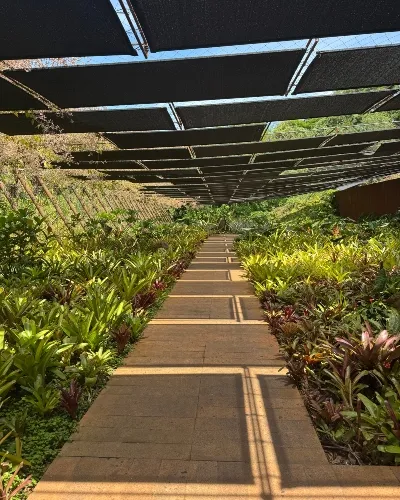
Whether one is an “art fiend” or not, the imagination and ingenuity behind each sculptural piece is impressive. Tiago, my guide, was not only deeply knowledgeable about each artist, but as a biologist, he was also able to teach me about the wealth of plants. Over 4,300 species of vascular plants, including native Brazilian species and exotic specimens from around the world are found in the Botanical Garden. Inhotim is home to the Amorphophallus titanum, often called the “corpse flower” due to the odour it releases when in bloom. It is the only place in Latin America to have this species on display, and the rare blooming is a significant event. The institute is uniquely located where the Atlantic Forest and the Cerrado (tropical savanna) biomes meet, contributing to its biodiversity – fascinating for any botanist or plant-lover.
Concluding the Journey
After a long day, there’s really only one place to rest your head. Clara Arte Resort is located within the Inhotim Institute and has considered all the amenities that a walked-out, culture-infused guest may desire: a spa, an indoor and outdoor pool, bountiful afternoon tea and a buffet-style dinner.
The following morning, I drove to Belo Horizonte (one and a half hours away) to return the car and catch a flight to Campo Grande, to continue my adventure in the southern Pantanal. I boarded my flight feeling enriched and invigorated, and humbled by the passion of every guide I met along the way. It reminded me that in the fast-evolving world of AI and online travel agents, the curiosity, knowledge and deep pride of a local (that one has access to through a tailor-made journey) is something to be treasured, and celebrated.