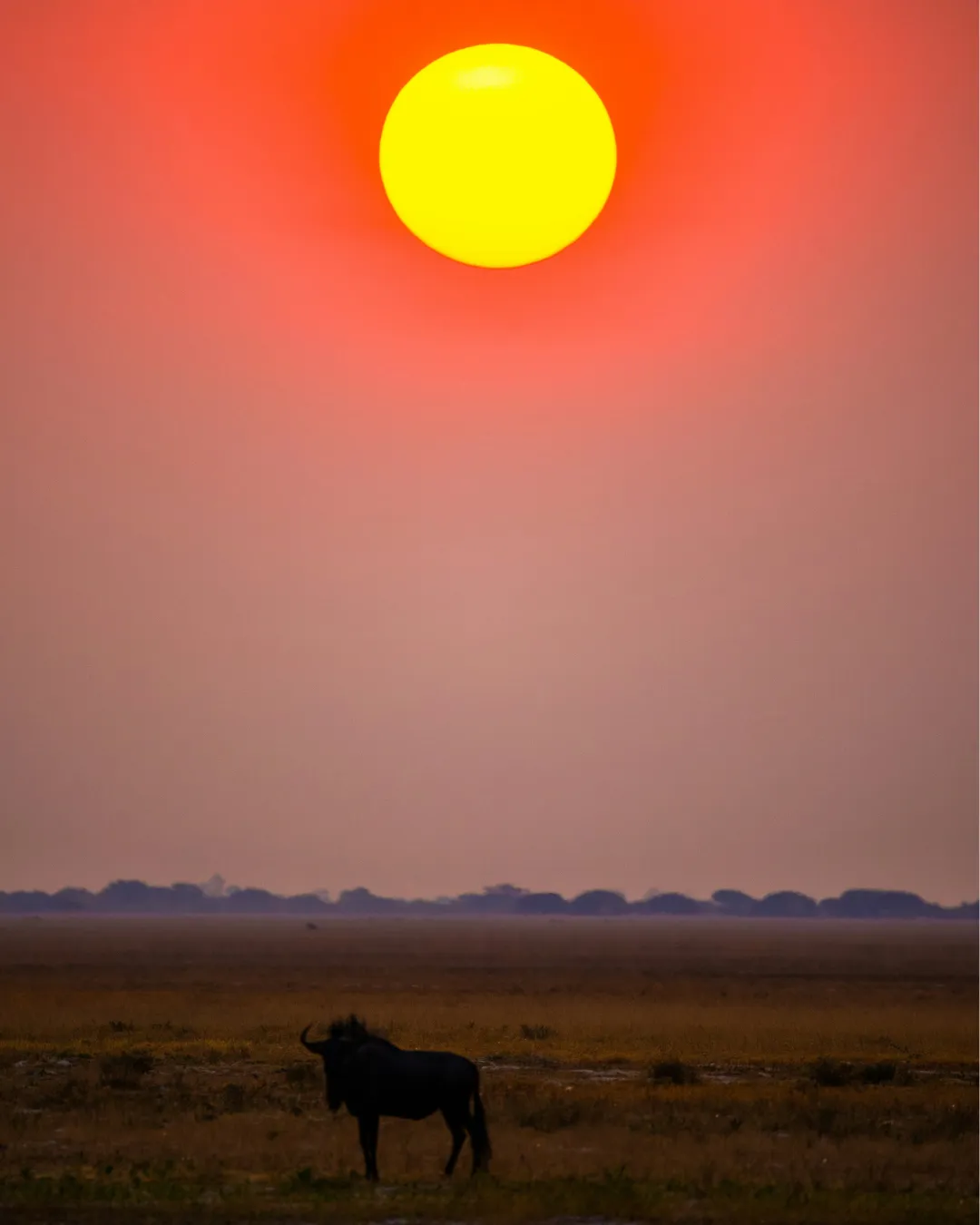
Tucked away in the southern reaches of Zambia, the Lower Zambezi National Park is a mesmerising wilderness that offers an unparalleled safari experience. Although relatively unknown, the untouched wilds make for an incredible immersion into the heart of Africa.
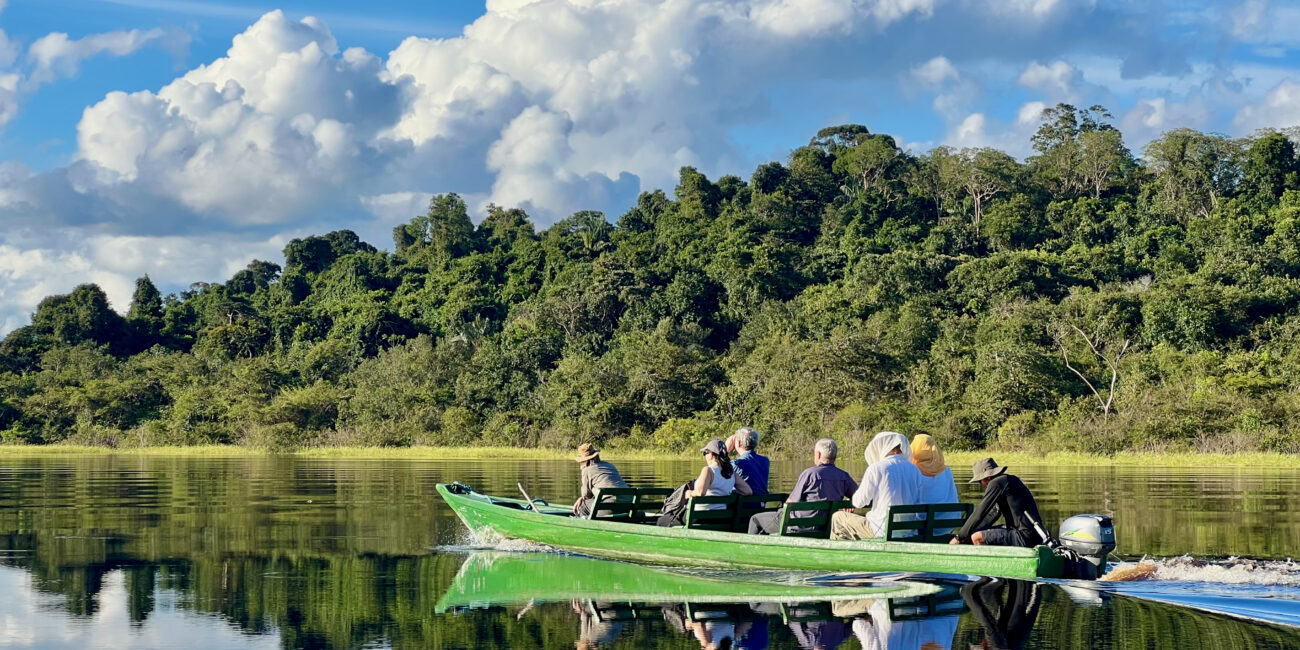
Whether you’re gliding along the immense free flowing waters of the Zambezi River in a canoe, tracking wildlife on foot, or simply soaking in the tranquillity of the African plains from the comfort of your lodge, the Lower Zambezi promises an unforgettable adventure.
The park is a tapestry of lush riverine forests, expansive floodplains, dense miombo woodlands, and scattered acacia groves, with the mighty Zambezi River acting as the lifeline to the many creatures that live there.
A Brief History of Lower Zambezi National Park
The area was originally a private royal hunting ground for the president of Zambia and his friends, which protected it from mass tourism. The Lower Zambezi gained status as a national park in 1983 and covers an area of 4,092 sqkm along the northwestern bank of the Zambezi River.
The park is now a model for sustainable tourism, balancing conservation efforts with the needs of local communities and tourists. Conservation Lower Zambezi (CLZ) is a non-governmental organisation committed to conserving the wildlife and environment in the area through environmental education, community empowerment, wildlife protection, and reintroduction and research.
Best Time to Visit Lower Zambezi National Park
Although a Lower Zambezi safari is available all-year round, many lodges close during the heavy rains and some roads within the park become inaccessible.
Dry Season - April to October
As a primarily dry season destination, the best time to visit the Lower Zambezi is between the months of May and September. With sunny skies and low rainfall, the bush begins to thin out and animals become easier to spot.
As the weather gets warmer, water sources dry out and animals congregate around the dwindling water sources, which provides opportunities for incredible sightings.
Wet Season - November to April
The rains typically arrive between November and December and last until March. The landscape is lush and green, with the best opportunity for birdwatching. Many new animals are also being born, but high heat and humidity mean that game drives may be intense.
Wildlife in Lower Zambezi National Park
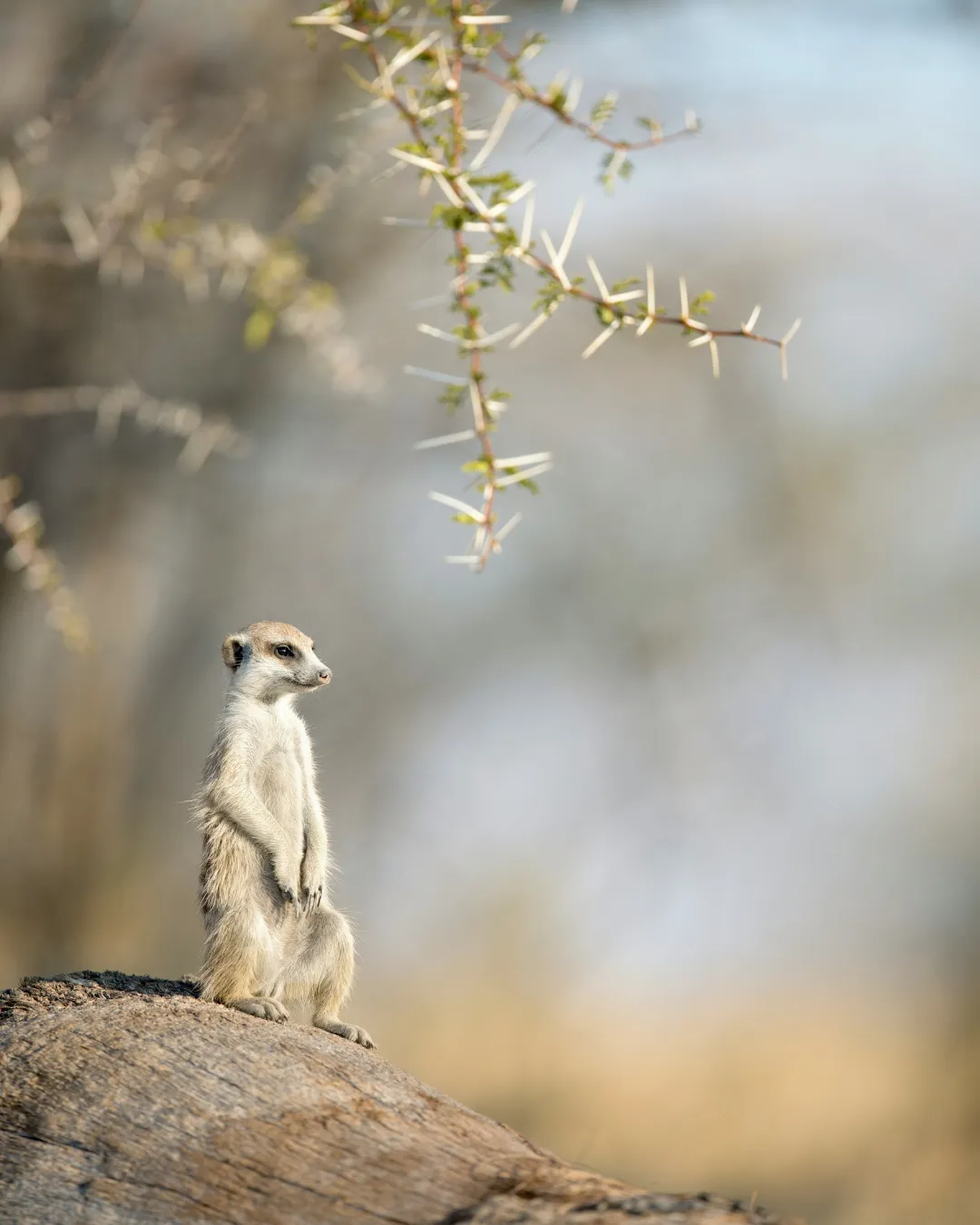
With over 124 mammals and 403 bird species, the Lower Zambezi is a sanctuary for a diverse array of wildlife, including Africa’s most iconic animals.
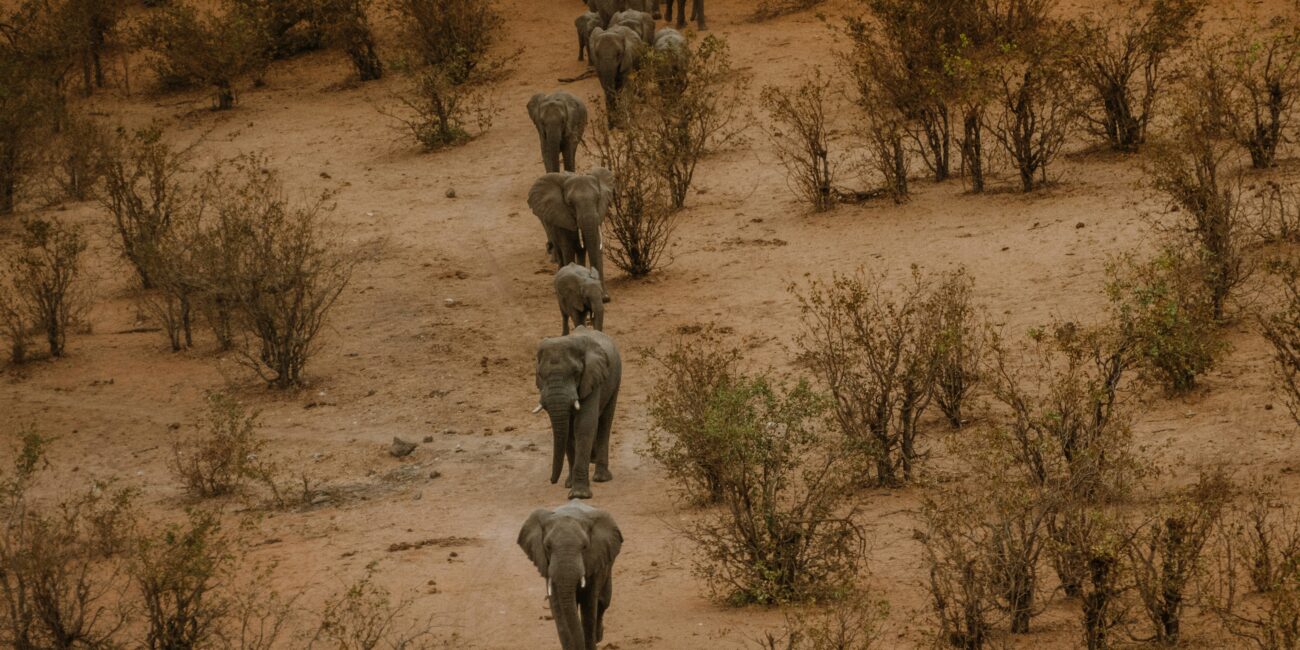
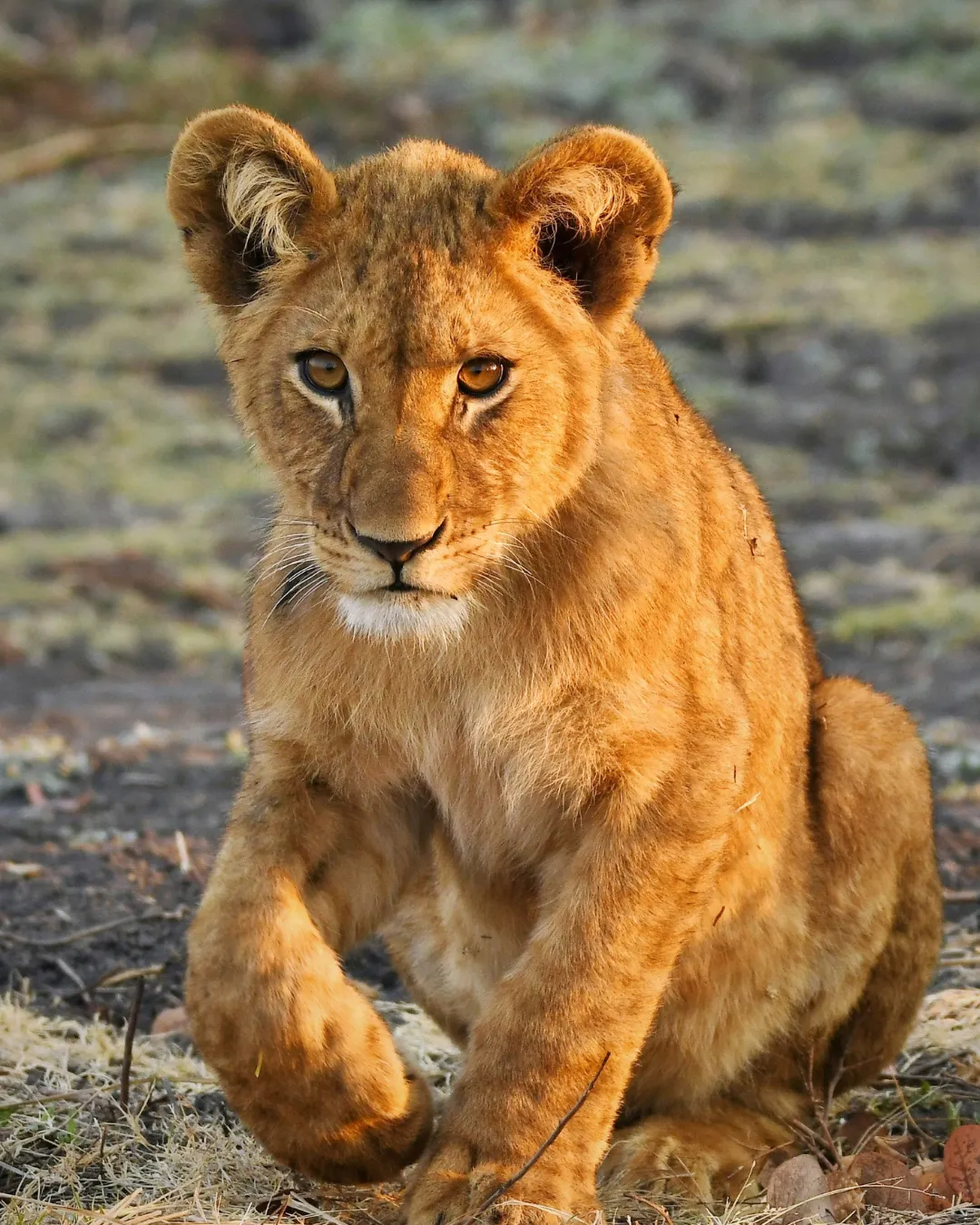
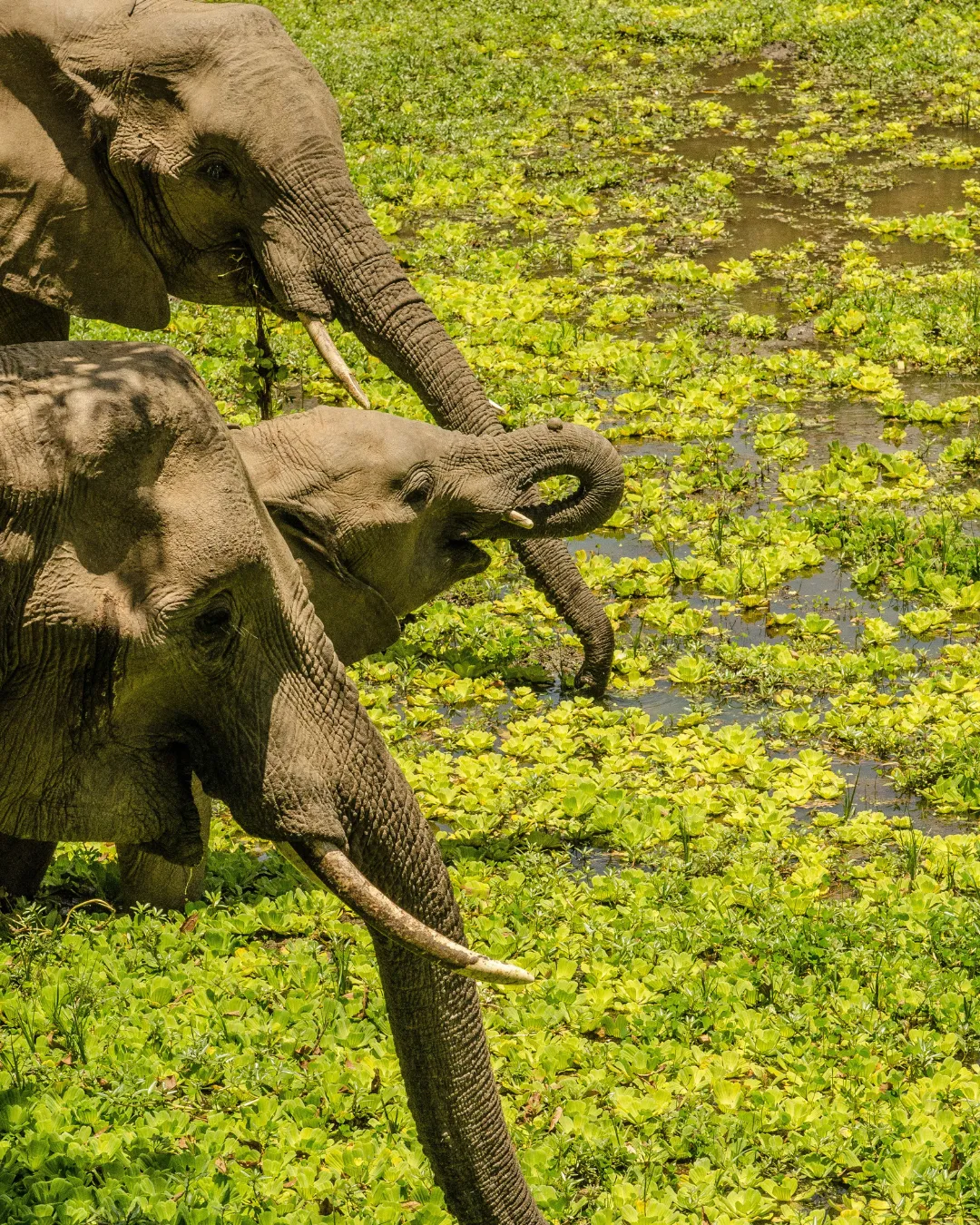
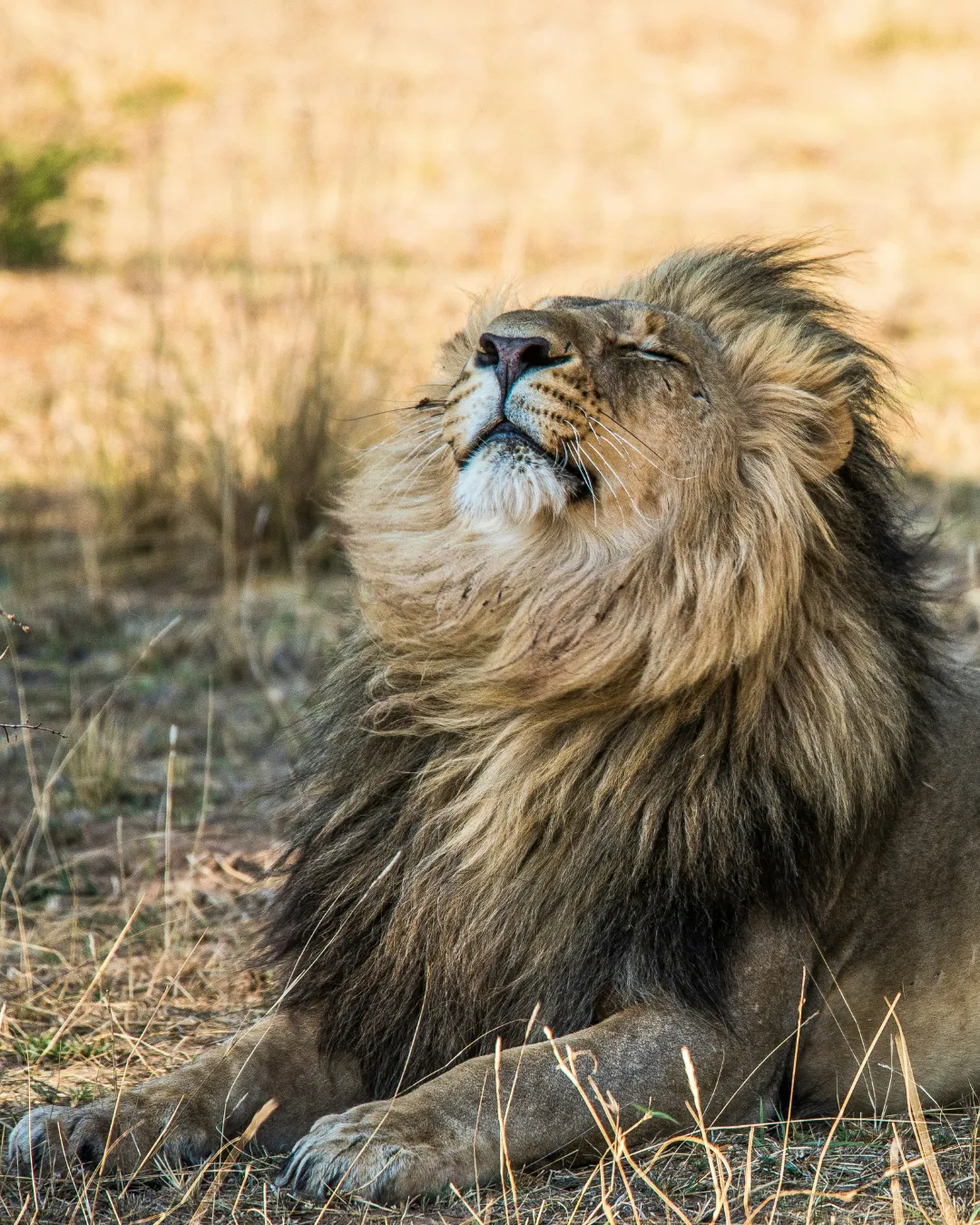
Watch in delight as elephants traverse the floodplains, and are frequently seen bathing and playing in the water. Lions roam the grasslands and leopards are frequently found lounging in the trees. There is also a healthy population of endangered wild dogs within the park – one of the rarer sightings on an African safari.
For the best wildlife sightings, experience a safari by boat and cruise down the river in awe of the spectacular surroundings. Listen to the symphony of sounds coming from the water around you: the grunt of the hippos, a subtle splash from the sun-bathing crocodile slipping into the water, and the calls of various waterbirds.
Lower Zambezi National Park Lodges
There are just a handful of lodges in the Lower Zambezi National Park, offering an intimate experience with the expansive wilderness around you. Here is a selection of some of our favourites:
Set along the confluence of the Zambezi and Chongwe Rivers, this camp consists of nine canvas and thatch tents with panoramic river views. Each tent consists of a spacious open-air bathroom and porch, and features local textiles and handcrafted furniture, immersing you in the local culture from the moment you walk through the door.
With only five chalets in the camp and no boundary fence, Old Mondoro is a true bush camp. Situated within a grove of thorn and acacia trees, the simplicity of the camp gives it an intimate feel. Unwind in the outdoor bathtub, overlooking the Zambezi River or tributary that meanders through.
This family-owned and operated camp consists of eight open-fronted canvas tents under the shade of mahogany trees. Each luxury chalet has its own indoor and outdoor showers, a plunge pool and claw foot bathtubs, all with fabulous views. Enjoy delicious meals, made from local produce and seasonal ingredients, on the waterfront dining deck.
This bold and contemporary African lodge is the perfect retreat for both family and romantic escapes. Looking across the Zambezi River to Mana Pools in Zimbabwe, Lolebezi oozes elegance with its carefully curated spaces and accessories.
Looking to embark on your own Zambian wildlife adventure?
Get in touch with our expert travel team today on +44 20 8044 9538 or connect@journeyswithpurpose.org to begin creating your dream trip.