As travel continues to recalibrate after years of disruption, 2026 is shaping up to be less about ticking destinations off a list and more about how and why we travel. Across global reports, industry insight and shifting traveller behaviour, one message is clear: the future of travel belongs to those seeking meaning, depth and genuine connection.
For the conscious traveller, luxury is no longer defined by excess. It’s defined by intention.
Here are the key travel trends set to shape conscious travel in 2026, and what they reveal about the way the world wants to move.

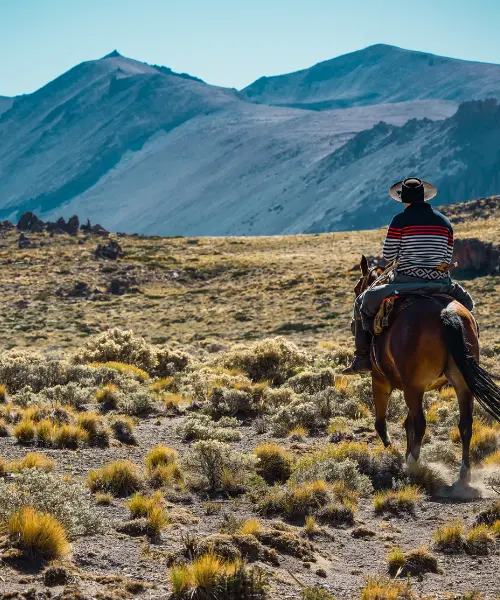
1. Purpose Becomes the New Luxury
In 2026, travel is no longer just about escape. It’s about alignment.
From private conservation experiences to time spent with local communities, travellers are increasingly choosing journeys that reflect their values. This shift is especially pronounced among high-net-worth individuals and multi-generational families, for whom travel has become an extension of personal ethics.
This shift goes beyond surface-level sustainability. Conscious travellers are seeking meaningful engagement: understanding where their money goes, who benefits and how their presence contributes positively. In this context, purpose is not an add-on to a journey, it’s the very foundation.
2. Deep Luxury: Access Over Excess
The concept of luxury itself is evolving. In 2026, deep luxury is defined not by grandeur but by access – to people, places and perspectives that remain out of reach to most.
This might take the form of a private conversation with a conservationist in Namibia, time spent with artisans preserving ancient craft traditions in Peru, or behind-the-scenes access to cultural sites long after the crowds have gone. These are experiences that can’t be replicated or scaled; they exist because of trust, relationships and expertise.
For today’s most discerning travellers, luxury is measured in:
- Intimacy rather than opulence
- Authentic human connection over curated spectacle
- Experiences that feel genuinely rare and personal
It’s not about seeing more, it’s about seeing deeper.
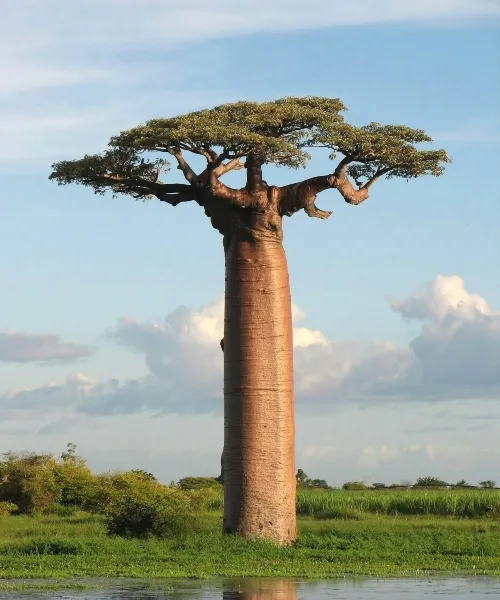
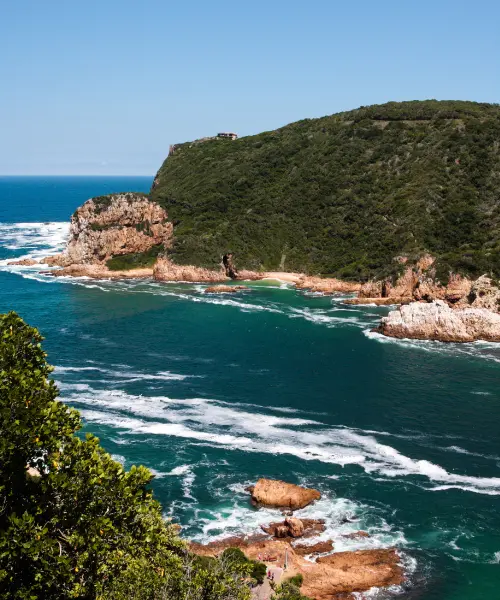
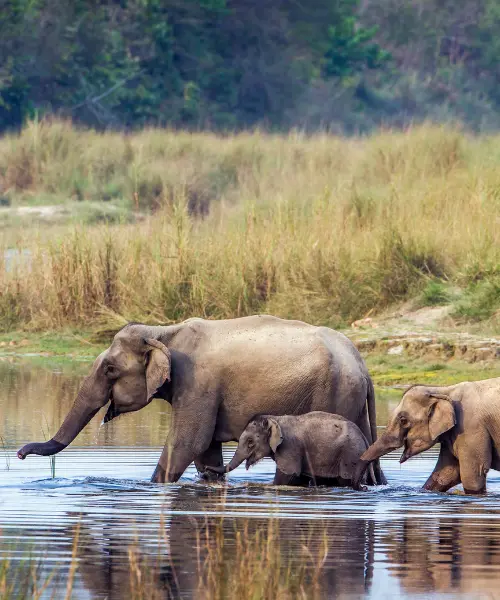
3. Slower, More Intentional Travel
As the pace of modern life accelerates, travel is becoming a form of recalibration. Long, immersive journeys are replacing rushed itineraries, with travellers choosing to spend more time in fewer places.
This shift supports deeper cultural engagement and allows for moments of stillness. Whether that’s weeks spent in a single region, extended stays in nature, or journeys designed around learning rather than ticking off highlights.
The rise of “slow travel” reflects a broader desire for presence and perspective. It’s about creating space to absorb, reflect and truly experience a destination on its own terms.
4. Destinations That Offer Space, Story and Stillness
As overtourism reshapes travel decisions, destinations offering physical and emotional space are rising to the forefront.
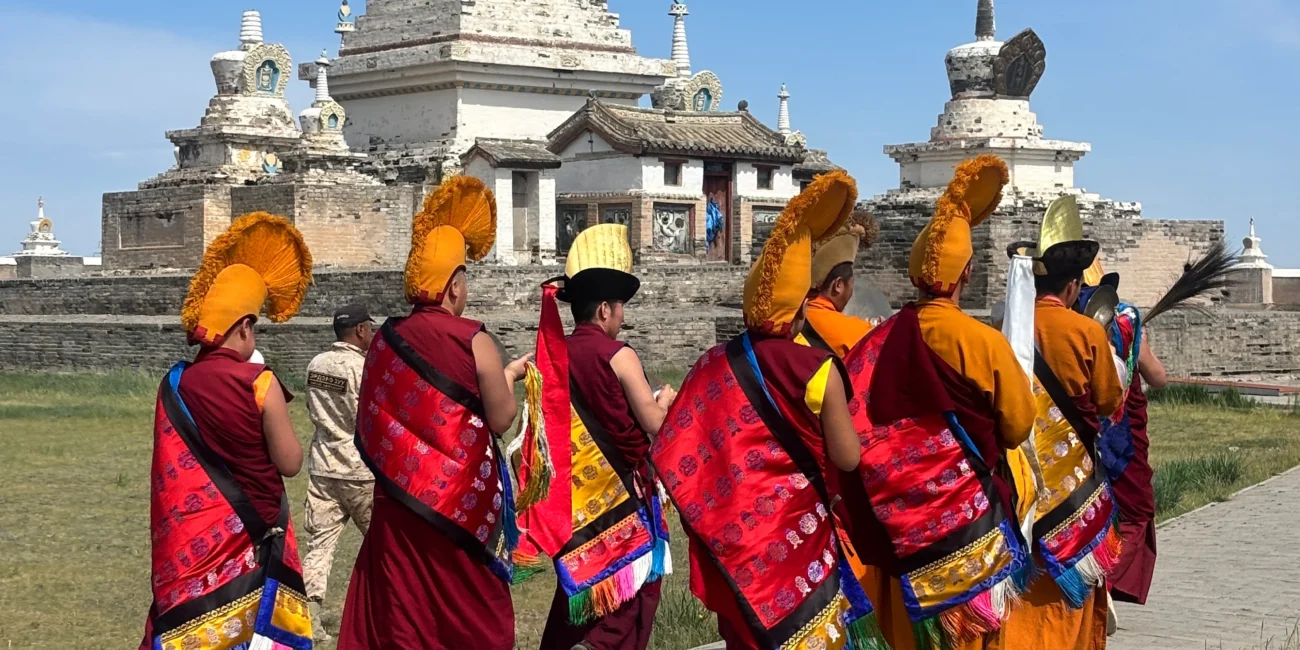
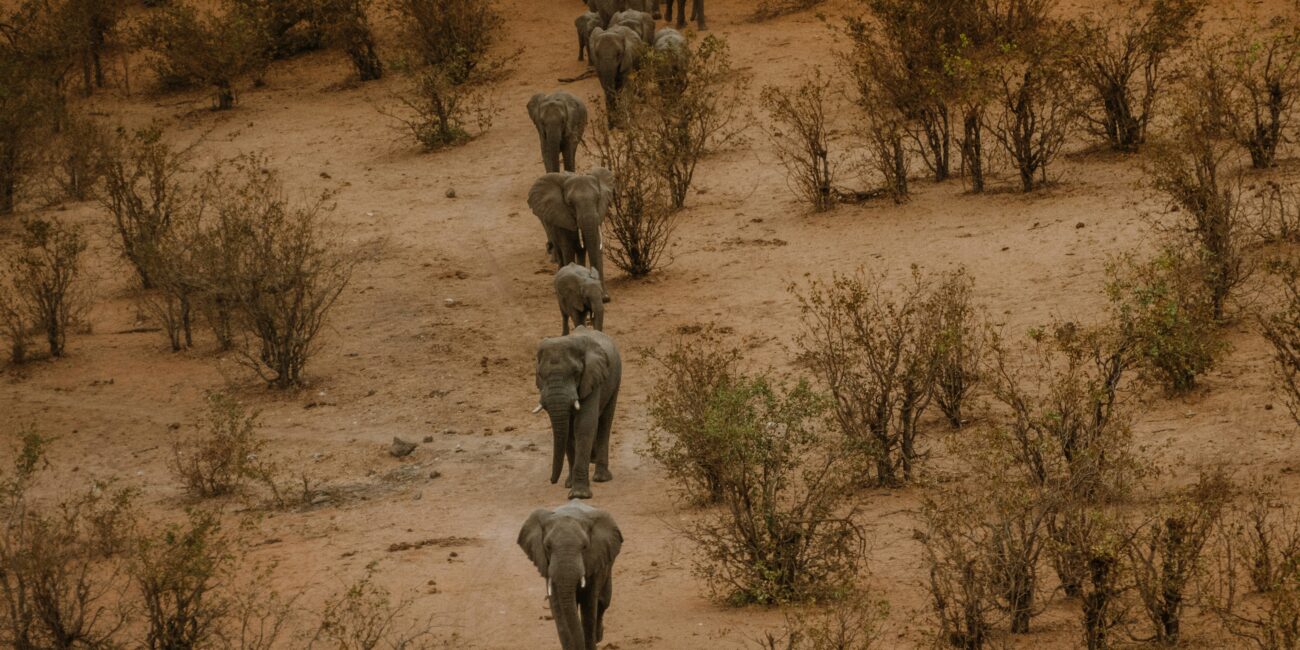
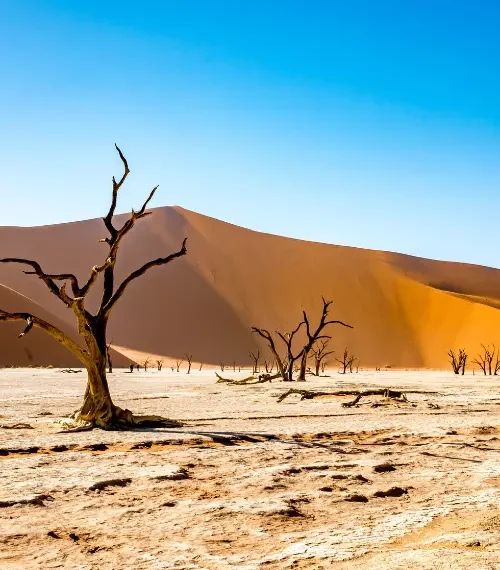
Places such as Namibia, Mongolia and Greenland appeal for their vast landscapes and profound sense of solitude. Others, including Bhutan, Rwanda and Uzbekistan, draw travellers seeking cultural depth, heritage and a feeling of purposeful discovery.
Even traditional favourites like Italy, France and Greece continue to thrive, but increasingly outside peak seasons and away from well-trodden routes. Rural regions, lesser-known coastlines and quieter cultural centres are redefining what these destinations can offer.
These places succeed not because they are undiscovered, but because they allow travellers to slow down, connect and feel present.
5. Conscious Family Travel and Shared Meaning
Multi-generational travel remains one of the strongest forces shaping the market, but expectations are evolving. Families are looking for journeys that bring people together in meaningful ways. They’re looking for experiences that educate, inspire and create shared memories through spending quality time in nature.
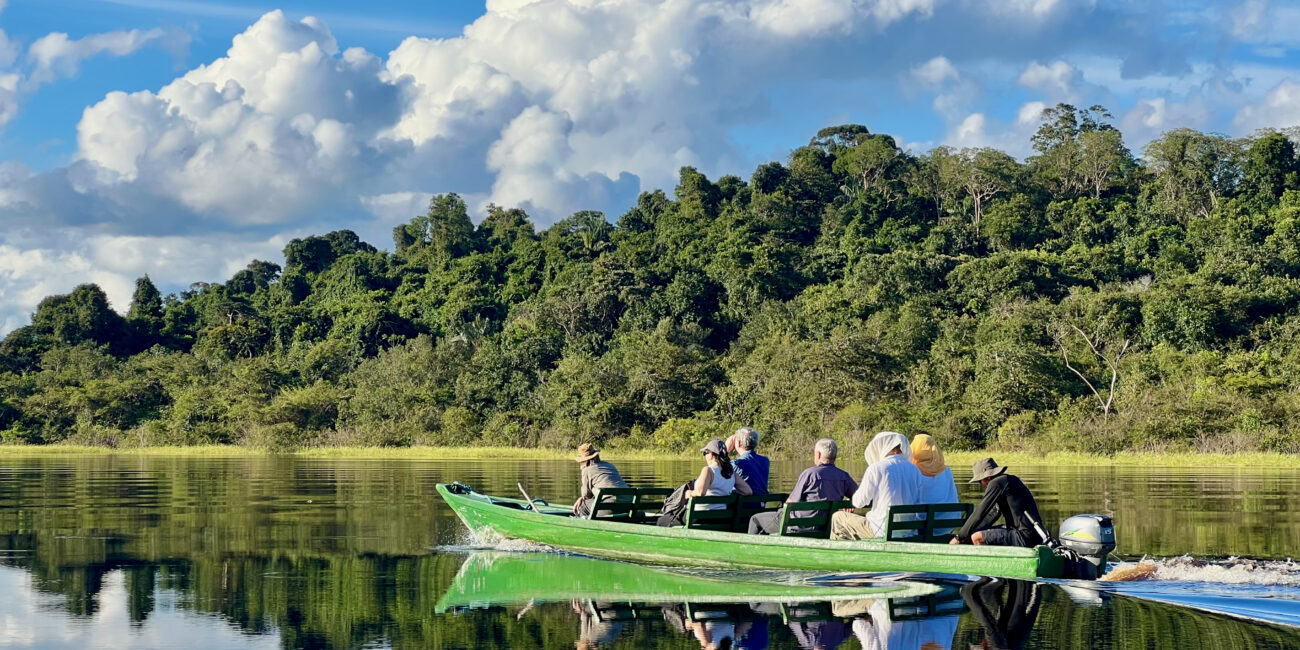
Wildlife conservation initiatives, cultural immersion and hands-on learning are increasingly favoured over passive sightseeing. For many families, travel has become a way to pass down values as much as memories.
6. Wellness, Reimagined
Wellness in 2026 is less about spa menus and more about restoration in its truest sense. Nature-based experiences, mental reset, sleep, movement and time offline are central themes.
For many travellers, wellbeing is now inseparable from nature – from walking in remote landscapes to spending time immersed in wilderness or cultural rhythm. It’s about returning home genuinely restored, not just relaxed.
7. Why Story Matters More Than Ever
In a world saturated with options, travellers are increasingly drawn to stories – the human context behind a destination, the people who shape it, and the impact of their journey.
The most compelling journeys are those that feel personal and purposeful, crafted with intention rather than scale. In this sense, travel becomes not just a product, but a form of storytelling, one that connects, educates and endures.
Looking Ahead
As 2026 approaches, conscious travel is no longer a niche or a passing trend, it has become the new standard. The future belongs to journeys that are thoughtful, well-crafted and deeply human.
For travellers willing to look beyond the obvious, this is an era rich with possibility: journeys that leave a lighter footprint, spark genuine connection and offer something far more lasting than a photograph – perspective.
If these ideas resonate, we’d love to continue the conversation. Our team works closely with each traveller to design journeys shaped by curiosity, purpose and genuine connection. Whether you’re beginning to explore what your next journey could look like or ready to plan something deeply personal, we’re here to help turn intention into experience.
Interested in Conservation Travel?
Get in touch to start shaping a journey that reflects not just where you want to go, but why you want to go there.