At dawn, the rangelands of Africa’s plains hum with quiet movement. Herders read the land the way others read a map – following the pulse of grass, the drift of clouds or the faint tracks of animals still warm in the dust. These are not just landscapes; they are living, breathing partnerships between people and the places they call home.
Across Africa, this dynamic is shaping one of the most powerful conservation stories of our time: community-led conservation.
It’s a story rooted in agency, knowledge passed down through generations and a profound understanding that people and nature flourish together, not apart.
Why Community Leadership Matters
Much of what we know about the current state of community conservation in Africa is emerging from work by African organisations themselves. The Seeding Solutions 2024 report by Maliasili, highlights Africa’s immense ecological richness. The continent has more than 2,000 Key Biodiversity Areas, nine global biodiversity hotspots and a quarter of the world’s mammals. Yet it also underscores that this natural wealth exists alongside accelerating pressures, including habitat loss, climate change and increasing competition for land.
Crucially, the report shows that over 80% of Africa’s land is held under customary tenure, and 62% of rural Africans depend directly on natural resources for survival. Their well-being is wholly intertwined with the ecosystems they steward, making them not peripheral beneficiaries of conservation, but central leaders.
This is where the words of Kenyan innovator and UN Young Champion of the Earth Joseph Nguthiru resonate:
“More than 500 million Africans live within a kilometer of a forest. They form one of the key frontline defenders of biodiversity. Yet, these same communities remain some of the poorest people on the planet… true, sustainable impact is only realised when the effort is genuinely community-led”.
His call to shift from protection to stewardship mirrors the findings of the Maliasili report: conservation succeeds when decision-making sits with the people who know the land best.

Proof on the Ground: Ecosystems Rebounding
The Seeding Solutions 2024 report documents dozens of examples where community leadership has driven large-scale ecological recovery:
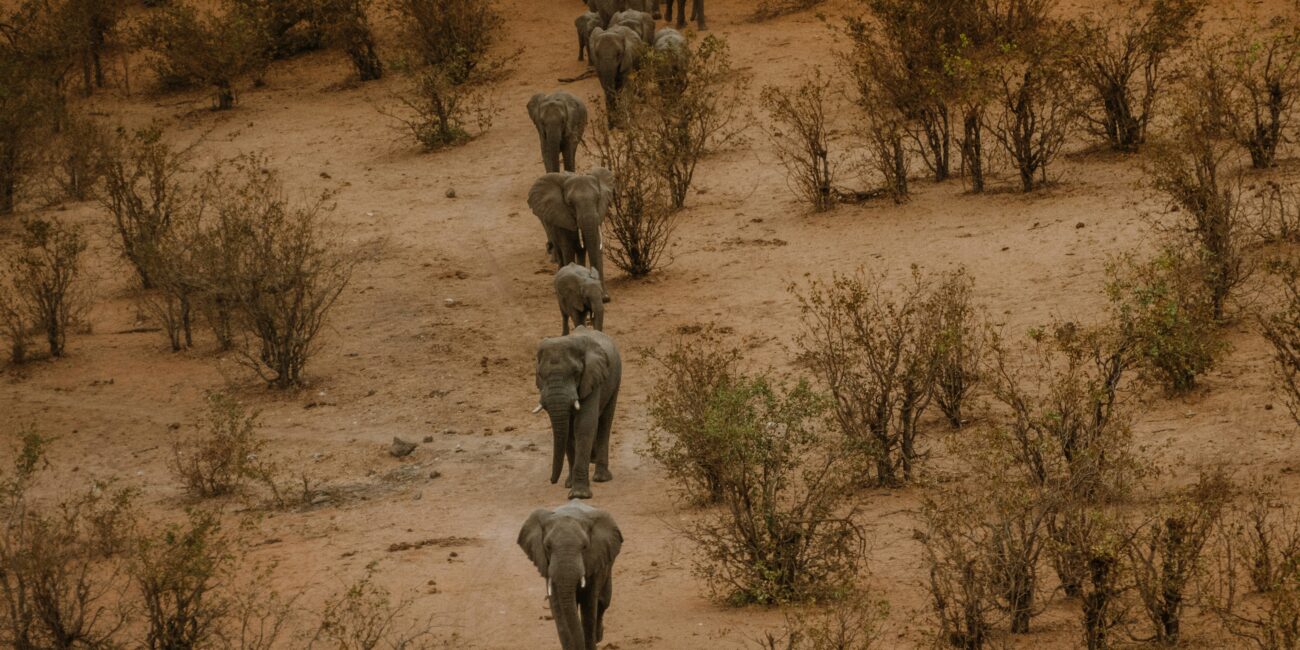
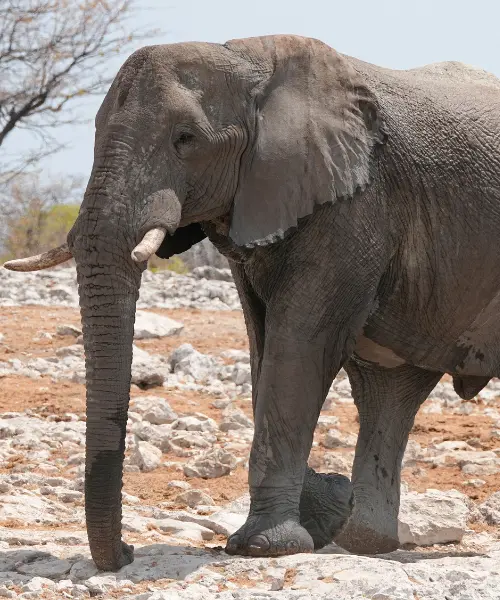
- In Namibia, community conservancies have helped triple elephant populations to around 24,000 over two decades.
- In Madagascar, community-managed marine areas show up to 189% more fish biomass than non-protected areas.
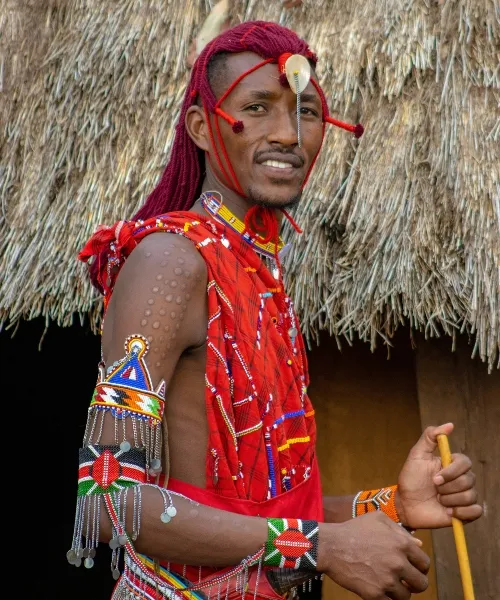
- In Kenya’s Maasai Mara, community conservancies now hold 83% of the region’s wildlife, playing a crucial role in sustaining the great migration.
These recoveries, grounded in data and field reports, illustrate the same message again and again. When communities have rights, authority and benefits, ecosystems rebound.
Conservation That Strengthens Lives
The report also highlights how community-led conservation improves livelihoods at scale:
- In Zambia’s Luangwa Valley, 1.2 million hectares of community forests now generate carbon revenues that have increased household income by 171%, benefiting over 200,000 people.
- In Kenya, conservancies support hundreds of thousands of households, with tourism lease payments providing consistent income.
- In Tanzania, securing communal land rights through Certificates of Customary Rights of Occupancy is protecting wildlife habitat and safeguarding the cultural continuity of pastoralist and hunter-gatherer communities.
These examples underscore a central theme: community conservation succeeds because it delivers both ecological and economic resilience. A paradigm shift is necessary, we ought to position community-led conservation as one of Africa’s most powerful climate strategies.
Many of the continent’s most significant carbon stores, from forests to wetlands, are under community stewardship. Ultimately, Maliasili’s research highlights the intertwined reality of climate resilience, ecosystem health and community governance.

The Human Story: Custodians of the Future
Perhaps the most poignant message in Seeding Solutions 2024 is that community-led conservation is not a new idea. It is an old wisdom, Indigenous knowledge, traditional governance and place-based expertise, finally receiving the recognition it deserves.
Communities have long maintained the rhythms that sustain Africa’s ecosystems. Their grazing systems have shaped savannas; their management of fisheries has sustained coasts and their forest guardianship has protected carbon sinks long before “carbon markets” existed.
Nguthiru’s words echo this truth:
“When we empower these communities to become the most dedicated and effective guardians of their own natural heritage, they strengthen their resilience and our collective ability to adapt to climate change… and perhaps next time COP convenes, Indigenous communities will not have to protest just to be heard”.
What This Means for Impact Travel
For Journeys With Purpose, this research on community-based conservation reinforces what we see in the field, conservation thrives where people are empowered.
Our journeys connect travellers with the stewards on the ground who are pioneering community-led conservation. The indigenous elders, youth leaders, rewilding practitioners and community institutions that seldom receive global attention but deliver extraordinary impact day in day out.
Through Journeys With Purpose, travellers don’t just observe conservation, they witness the human relationships that drive it. It’s access to these connections that makes travel with us so rare, memorable and genuinely insightful.

A Call to Stand With the Frontline
Community-led conservation is more than a strategy, it is a way of seeing. It shifts conservation from exclusion to partnership, from top-down policy to lived custodianship.
Africa’s frontline stewards are already leading the way, as both the data and stories in Seeding Solutions 2024 make resoundingly clear.
The question now is: how will we choose to follow, support and amplify their work?
Interested in African Conservation Travel?
Journeys With Purpose offers private, conservation-focused adventures to Africa, with tailor-made itineraries built around your passions. We also plan hosted journeys – get in touch with our expert travel specialists today on +44 20 8044 9538 or at connect@journeyswithpurpose.org.