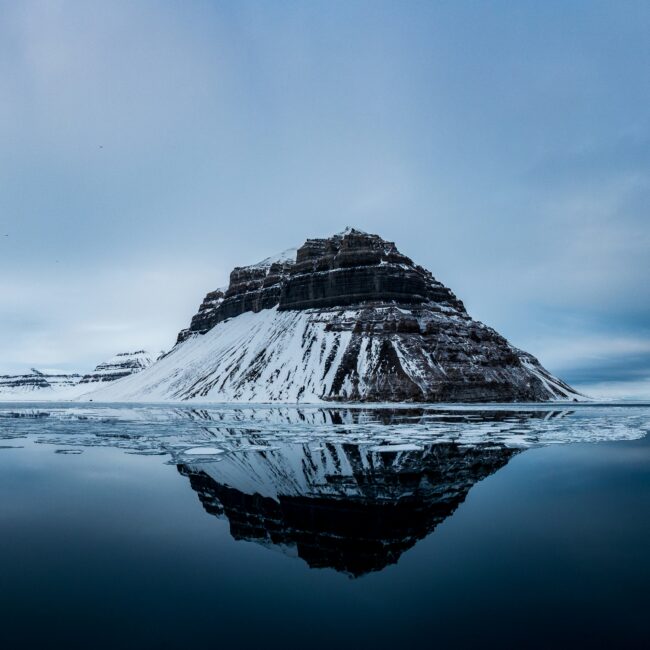
Svalbard: A Letter from the Arctic Circle
A field report from 79 degrees north, exploring the remote landscapes of Svalbard, encounters with polar bears and the people and science helping us understand a rapidly changing A
A field report from 79 degrees north, exploring the remote landscapes of Svalbard, encounters with polar bears and the people and science helping us understand a rapidly changing A
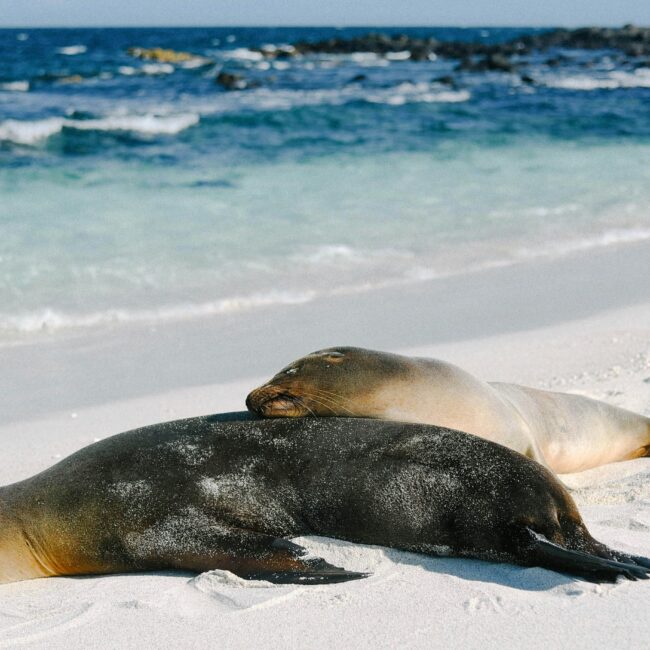
Discover how family travel in the Galápagos inspires true conservation. Explore eco-lodges, community projects and the power of living alongside nature.

From Hermanus to the Patagonia Azul, learn about our recommended whale watching destinations around the globe.
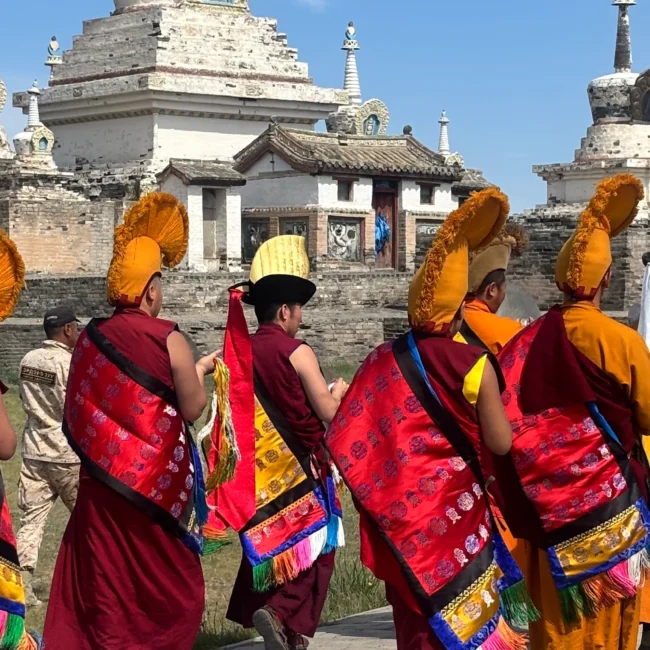
Mongolia is a land of vast horizons, ancient traditions and enduring resilience. Travelling from the sweeping grasslands of the steppe to remote mountain valleys, Katya Payne exper

Inspired by the work of Sebastião Salgado and Dom Phillips, this journey through the Brazilian Amazon explores one of Earth’s last great wildernesses — its rivers, wildlife, I

Discover the vast wilderness of Hwange National Park, Zimbabwe’s largest safari reserve and one of Africa’s premier wildlife destinations. From enormous elephant herds to diver

Set along the remote reaches of the Mana Pools National Park, this extraordinary wilderness is one of Africa’s most pristine safari destinations. Home to vast elephant herds, ico

Discover the remote beauty of Lower Zambezi National Park, a pristine wilderness where river, forest and savannah meet along the great Zambezi. Home to exceptional wildlife, intima

Nestled among Rwanda’s misty highlands lies a world of extraordinary wildlife, where rare primates, vibrant birdlife and ancient forests come together in breathtaking harmony. Fr